Historic Manor House Faces Modern Controversy After Extensive Renovation
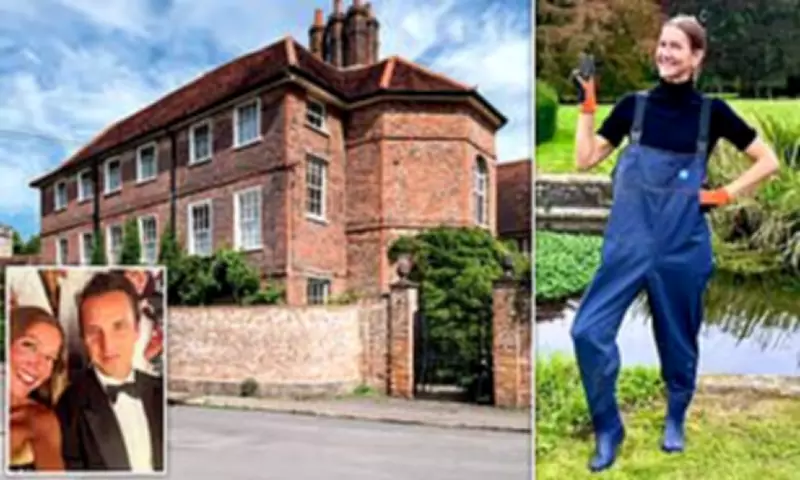
For centuries, the Grade-II listed Manor House in Little Missenden has stood as a testament to British architectural heritage, weathering historical changes and even serving as a backdrop for numerous fictional murders in television productions. This iconic Buckinghamshire property, which has appeared in popular shows like Midsomer Murders and Agatha Christie adaptations, now finds itself at the centre of a real-life drama that has divided local opinion.
A New Chapter for the Storied Pile
The late-medieval manor, originally built in the 16th century with subsequent expansions in the 17th and 18th centuries, has entered a contemporary chapter under the ownership of investment banking strategist Hugh Karseras, 49, and his wife Hayley, 48, a former lifestyle consultant turned digital creator. The couple purchased the nine-bedroom property, which was marketed for £4.75 million in 2014 and is now valued at approximately £6 million, and embarked on an ambitious transformation that has sparked both admiration and criticism within their village community.
The extensive renovation project, which spanned approximately 18 months, introduced modern elements that some traditionalists find jarring against the property's historic character. The couple has incorporated spa-style bathrooms, a contemporary kitchen extension, and repurposed former outbuildings for candle-lit evenings and cold-plunge rituals. The original 17th century Jacobean oak staircase was painted dark grey, while a previously cluttered bedroom has been converted into what Hugh describes as "the most spectacular space in the whole house."

Social Media Documentation Fuels Controversy
Hayley, who shares fashion content with her 1.3 million Instagram followers under the handle Lady of the Manor, has documented virtually every step of the renovation journey online. This comprehensive social media coverage has become a point of contention among some villagers, with one anonymous resident telling the Mail that the constant posting felt like "bragging about every step on the internet" in a small community where people naturally gossip.
"It was all a bit garish to be honest with you," the resident commented, adding that the renovation work had made the village "very busy" with noise, lorry traffic, and road closures during the 18-month project. "Why not leave the house alone? It was stunning as it was."
Defending the Transformation
In detailed Instagram posts, Hugh has explained the reasoning behind their design choices, particularly emphasizing the kitchen transformation. "Our previous kitchen was on the roadside of the house, and while it was hundreds of years old and oddly charming in its own way, it had very poor usability," he wrote, noting the lack of work surfaces, fixed cabinetry, and garden access. "Our new kitchen is everything our old kitchen could never have been."
The couple has invested hundreds of thousands of pounds into the property, which also features two three-bedroom cottages, a stable block, tennis court, walled kitchen garden, landscaped gardens, paddock, and woodland. They have added a cedar-clad sauna and hot tub to blend with the garden landscape and repurposed the former kitchen into a snug with exposed beams and a log burner.
Mixed Reactions from the Community
While some neighbours have expressed reservations about the scale and style of the renovations, others have been more supportive. One neighbour described the couple as "lovely" people who "get on with everyone," adding: "They're very proud of the house. They've worked really hard on it. It's not been inherited. It's all from their work."
In a statement addressing the controversy, the couple expressed regret for any disruption caused during the renovation process. "We appreciate that the extension and restoration work on the Manor House caused some disruption, and we are sorry for any inconvenience that our neighbours experienced during the project," they said, emphasizing that they followed all listed building consents, planning permissions, environmental guidelines, and building regulations.

The statement continued: "We feel very fortunate to be able to live in such a historic home, in such a lovely village and are committed to maintaining it responsibly for future generations. We value our community greatly and would always prefer to discuss any concerns directly with our fellow villagers than through a story in the national press. Our door is always open."
A Property Steeped in History
The Manor House carries significant historical weight beyond its television appearances. In the late 1700s, it was owned by Dr Benjamin Bates, personal physician to Sir Francis Dashwood and member of the notorious Hellfire Club, who entertained artists and intellectuals at the property. The terrace gardens are believed to have been influenced by Swiss painter Angelica Kauffman, while plaster reliefs in the principal rooms are attributed to sculptor John Flaxman.
Previous owner Thomas Cuff, whose family held the estate for nearly 60 years, once described the garden as the property's greatest asset, particularly noting "the river curving round at the back of the house" as "a very fine sight." He also confirmed the property's television fame, noting in 2014 that "around here is known as Midsomer country and lots of the houses have been in the programme."
As the dust settles on the renovation project, completed last summer, the Manor House continues to embody the tension between preserving historical character and embracing contemporary living—a debate that extends far beyond the boundaries of this Buckinghamshire village.