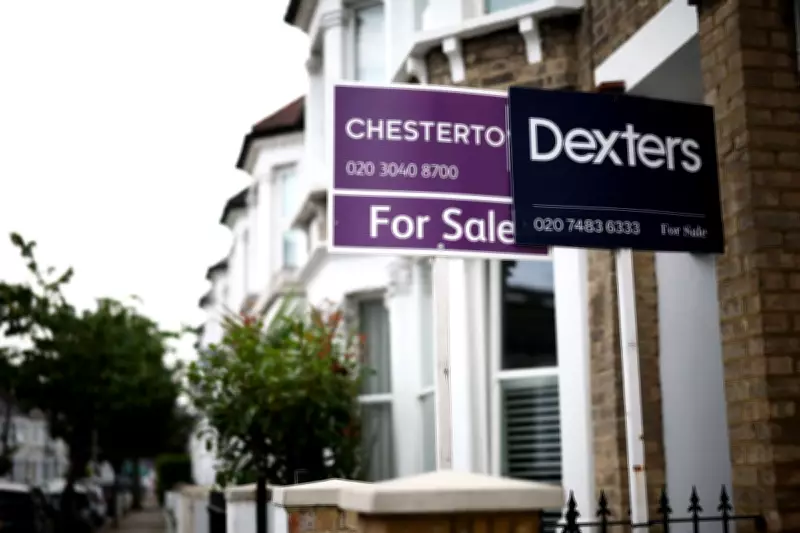
Mortgage Costs Skyrocket Following Iran Conflict Onset
The UK housing market has been hit by a dramatic surge in mortgage costs since the outbreak of the Iran war, with affordable deals disappearing and homeowners facing significantly higher bills. Data reveals that mortgage rates have climbed sharply in just under a month, adding substantial financial pressure to those seeking new deals or property purchases.
Sharp Increases in Monthly and Annual Payments
Comparative analysis of rates from a major high street bank shows a rapid escalation. On February 27, the day before the conflict began, the best available two-year fixed rate stood at 3.67 percent. By late March, that rate had jumped to 4.37 percent. For a typical £250,000 mortgage over a 25-year term, this translates to an additional £96 per month, or £1,160 extra annually, for borrowers who delayed securing a deal.
Similarly, five-year fixed rates have risen from 3.89 percent to 4.54 percent, equating to £90 more monthly or £1,089 yearly under the same conditions. These increases come as swap rates, which directly influence mortgage pricing, have soared due to market volatility triggered by the Middle East crisis.

Disappearance of Sub-4 Percent Mortgage Deals
Prior to the conflict, numerous mortgage products offered rates below 4 percent, providing affordable options for homeowners. However, as swap rates surged past this threshold, lenders swiftly withdrew these deals, replacing them with higher-rate offerings. Peter Stimson, director of mortgages at MQube, noted, "Since the start of the Iran war, swap rates have risen by more than a full percentage point. In response, the price of fixed rate mortgages has spiked by similar or even higher amounts."
The volatility has forced several smaller lenders to temporarily suspend their fixed-rate products until market conditions stabilize. In the interim, many mortgage brokers are advising clients to consider tracker mortgages, which lack early repayment charges and allow easier switching to fixed rates when conditions improve.
Underlying Economic Pressures and Inflation Concerns
The Bank of England's base rate remains at 3.75 percent, but mortgage costs are driven by swap rates, which reflect market expectations of future rate movements. With inflation holding at 3 percent in February, but anticipated to rise due to increased oil prices from the Strait of Hormuz closure, the economic outlook is uncertain. Samuel Fuller, director of Financial Markets Online, remarked, "There's a summer 1939 feel to this inflation data. Everyone knows something very bad is about to happen, we just don't know how bad it will be yet."
This situation raises the risk of stagflation, where stagnant economic growth combines with rising inflation, further complicating the Bank of England's ability to cut interest rates to stimulate the economy. The property market, a key component of UK economic health, is particularly vulnerable, as higher mortgage costs may deter buyers and slow market activity.
Future Scenarios for Mortgage Rates
Experts outline two potential paths forward. In an optimistic scenario, a swift peace deal could lead swap rates to drop below 4 percent again, though mortgage rates might take months to return to pre-war levels. Conversely, if the conflict prolongs and the Strait of Hormuz remains closed, borrowing could become increasingly challenging, exerting a significant drag on the UK economy and heightening stagflation risks.
With 1 percent of mortgage holders facing deal expirations within four weeks and 8 percent within three months, the immediate impact is acute. As Chancellor Rachel Reeves warns of "significant" economic challenges from the Iran war, homeowners are left navigating a turbulent financial landscape with little clarity on when relief might arrive.