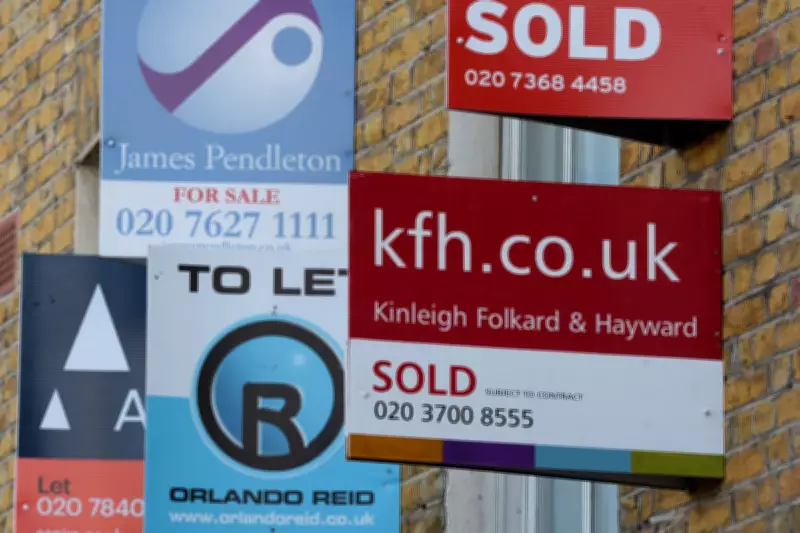
Average fixed mortgage rates have experienced a slight decline, but financial experts are warning that it remains "too soon" to declare this as a definitive turning point for borrowers across the United Kingdom. According to data from Moneyfactscompare.co.uk, lenders may potentially slow down the pace of interest rate adjustments over the coming weeks, offering a temporary period of stability rather than a sustained downward trend.
Current Mortgage Rate Landscape
On Thursday morning, the average two-year fixed homeowner mortgage rate stood at 5.89%, showing a marginal decrease from 5.90% recorded on Wednesday. Similarly, the average five-year fixed residential mortgage rate dipped to 5.77% from 5.78% over the same period. While these reductions are welcome news for prospective homebuyers and those looking to remortgage, the broader context reveals a more challenging picture.
Significant Increases Since Early March
Despite the recent minor declines, fixed-rate mortgage deals remain substantially higher than they were just weeks ago. At the beginning of March, average two-year and five-year fixed-rate homeowner mortgages were at 4.83% and 4.95% respectively. This represents an increase of approximately one percentage point, highlighting the volatility that has characterised the mortgage market throughout the spring season.

Market Volatility and External Factors
The recent fluctuations in mortgage rates have been influenced by several external factors, including financial market volatility and geopolitical developments. Swap rates, which lenders use to price mortgages, have been rising in recent weeks. The announcement of an Iran ceasefire deal contributed to the slight rate decreases, though questions about the stability of this agreement have created ongoing uncertainty.
Expert Analysis from Moneyfacts
Rachel Springall, a finance expert at Moneyfactscompare.co.uk, provided insight into the current market conditions. "Spring is meant to be a flourishing season for the mortgage market, especially for those looking to buy their first home," she noted. "Unfortunately, the mortgage mayhem caused by the unrest in the Middle East led to a flurry of rate hikes by lenders throughout March."
Springall further explained that lenders not only increased rates but also withdrew deals from the market, some temporarily, resulting in an overall reduction of 17% in product choice within a single month. "Over the past few days, we have seen a couple of lenders cut fixed mortgage rates, but it's a bit too soon to say whether this is the turning point for borrowers overall," she cautioned.
Future Outlook and Lender Behaviour
Looking ahead, Springall suggested that lenders are more likely to view the latest ceasefire as a period of grace to slow down the pace of interest rate changes over the next couple of weeks, rather than embarking on significant rate cuts. "Swap rates are still hovering around 4% and really, we need more reassurances on inflation forecasts to give the market a better sense on whether the Bank of England base rate might be increased in the short-term," she emphasised.
The current situation underscores the delicate balance between geopolitical events, economic indicators, and lender responses. While the slight decrease in rates offers a glimmer of hope, borrowers are advised to remain cautious and seek professional financial advice before making significant mortgage decisions in this uncertain climate.