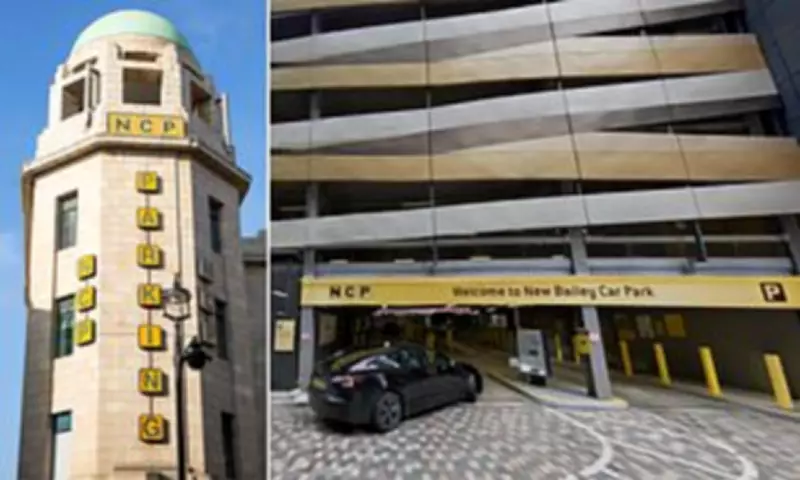
NCP Collapse Leaves Town Centre Car Parks in Peril Across Britain
The sudden insolvency of National Car Parks (NCP), the country's largest car park operator, has thrown town centres nationwide into uncertainty. Administrators are threatening to abandon sites if landlords do not accept drastic rent reductions, with up to 20 car parks already closed and effectively deserted.
Immediate Closures and Landlord Ultimatums
Insolvency experts from PwC and CBRE, appointed to steer NCP out of hardship, have begun by scrapping loss-making car parks. Locations including Birmingham, Leicester, London, and Luton have seen closures, leaving bays empty and potentially triggering a domino effect across NCP's portfolio of approximately 318 sites.
Landlords have been given just days to agree to new terms, with some reporting only 24 hours' notice. Demands include rent cuts of more than half and a four-week rent waiver to stabilise the company. One landlord condemned the approach, stating, "We view these last-minute bullying tactics as the lowest form of negotiation and are not prepared to do business with people who behave in this manner." Another claimed they were not even informed their site had been shut down.

Broader Impacts on Communities and Councils
The potential loss of car parks threatens to slash footfall on local high streets, hitting retailers already struggling with economic pressures. Councils face a double blow: they could lose millions in business rates, as unoccupied buildings owned by a firm in administration are usually exempt from tax, and cash-strapped authorities may be forced to fund reopening car parks to support local businesses.
Concerns have also been raised about anti-social behaviour at abandoned sites. Some councils have already emailed landlords to discuss security measures to prevent disruption. City lawyers are advising landlords on potential legal action, including attempts to reclaim car parks from NCP.
Root Causes of NCP's Downfall
NCP's former Japanese owner, Park24, blamed the collapse on a combination of the Covid-19 pandemic, high rents, and increased energy costs. However, insolvency experts point to "significant rent payments" that suddenly came due as a critical factor.
PwC noted that demand for parking has not recovered to historic levels post-pandemic, particularly in city-centre and commuter locations. Shifts in commuting patterns and customer driving habits have reduced occupancy, while long-term, inflexible leases prevented cost reductions. The company also cited higher energy prices following Russia's invasion of Ukraine in 2022.
Financial troubles were evident in NCP's recent performance. The firm turned over £187 million in the financial year ending 2023, a 7.15% drop from the previous year, and recorded losses of almost £27.5 million in 2022 and £26.7 million in 2023. Total debt skyrocketed to £350 million by the end of last year.
Administrators' Efforts and Future Uncertainty
Administrators are seeking a buyer for the business, founded in 1931 and merged with rival Central Car Parks in 1959. A spokesman stated, "A small number of commercially unviable sites have closed this week and while no other closures are currently planned, the administrators are engaging with key stakeholders, including landlords of some sites, to reach agreements that will allow for their continued operation."
Despite high prices—such as charging up to £60 for a day's parking in central London—and limited overheads that should have ensured stability, NCP's collapse has surprised city sources. The firm has faced criticism for overzealous fines, including a recent incident where a grandfather was incorrectly charged £100 for a 14-minute stay in Darlington, leading to an apology and quashed fines.
As tensions with landlords persist, the future of Britain's town centre car parks hangs in the balance, with communities bracing for further closures and economic fallout.