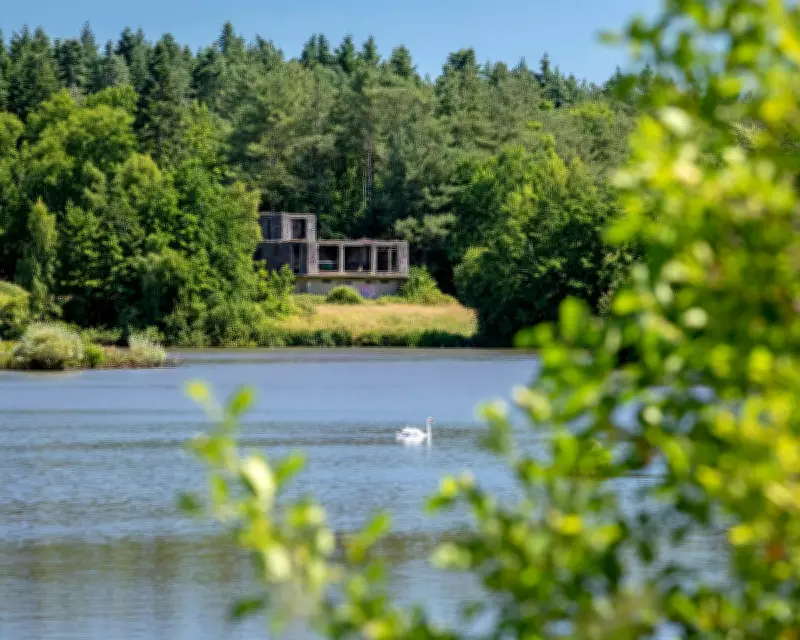
Abandoned Battle of Britain Control Tower to Become Holiday Retreat and Bat Sanctuary
The derelict control tower at former RAF Ibsley in Hampshire is set for a remarkable transformation, as the Landmark Trust secures approval to convert it into a holiday home. This historic building, which played a crucial role during the Second World War, will now offer a unique getaway while providing a safe haven for six species of bats that have long inhabited its ruins.
Council Backs £700,000 Restoration Plan
New Forest council has given the green light to a £700,000 project to save this iconic landmark. The Landmark Trust, a charity dedicated to rescuing at-risk buildings, will undertake the conversion, creating a four-bedroom holiday retreat complete with a roof terrace. A key condition of the approval is that the existing bat roosts in the old teleprinter and forecast rooms must be preserved, ensuring the bats can continue to thrive in their adapted environment.
A Rich Historical Legacy
RAF Ibsley was a significant base during the Battle of Britain, hosting British and US personnel who operated Hurricane and Spitfire aircraft. These planes were fuelled and launched from here to protect ships and intercept enemy aircraft over the Channel. The base also gained cinematic fame when actors Leslie Howard and David Niven filmed The First of the Few there, a patriotic war movie released in 1942 to boost British morale.

The watch office, or control tower, is considered a fine example of wartime architecture, hastily but tastefully built at the conflict's outset. According to a report by New Forest council planning officer Jessica Cooke, the building holds significant local interest due to its architectural, artistic, and historic value, and it has high conservation significance for bats, supporting six roosting species.
Balancing Heritage and Ecology
Natural England initially raised concerns about the potential impact on bats, but the Landmark Trust has provided assurances that the conversion will include dedicated dark spaces for the bats, while the rest of the building will be made light and airy for holidaymakers. Additionally, plans are in place to convert a wartime blast shelter into another bat roost, further supporting local wildlife.
The Airfield Research Group, a charity, has endorsed the plans, stating that a sympathetic conversion would serve as a lasting testament to the air and ground crew who fought valiantly at Ibsley. Councillors approved the project with conditions to ensure no harm comes to the resident bats, highlighting the community's commitment to both preservation and ecological responsibility.
Funding and Future Work
The Landmark Trust has raised nearly £700,000 for the conversion, aiming to prevent the building's collapse or demolition. A spokesperson described the project as a fine balance between preserving heritage and protecting delicate ecology, noting that work will commence later this year. Historian Caroline Stanford praised the building's modernist feel and its surprising survival, emphasising the strong public support for the scheme.
This initiative not only rescues a piece of military history but also creates a sustainable future for the site, honouring the memory of those who served while fostering biodiversity in the New Forest.