Clearwater's Regeneration Efforts Face Scientology's Vacant Property Dilemma
The Florida city of Clearwater, which serves as the international headquarters for the controversial Church of Scientology, is currently experiencing a significant wave of urban regeneration. However, this progress is being overshadowed by growing local concerns regarding the church's substantial property holdings and its perceived lack of participation in the city's renewal initiatives.
A City in Transformation Amidst Vast Unused Holdings
Clearwater is actively funding and constructing numerous downtown projects, including a new hotel, retail spaces, a long-planned bus station, and a $31.6 million city hall scheduled to open in October. These developments are part of a broader effort to revitalise the urban core, with voter-approved projects like an $84 million waterfront overhaul already delivering a new amphitheatre and revitalised park, plus a hotel with 21,000 square feet of retail and a 400-unit apartment complex.
Yet, swathes of this regenerating area are owned by the Church of Scientology, which controls more than 200 properties in downtown Clearwater. Many of these buildings remain shuttered and unused, despite years of urging from city officials for the organisation to activate them. This situation has generated considerable friction, as the city's investments contrast sharply with the church's largely dormant portfolio.

Promises and Tensions: A History of Unfulfilled Plans
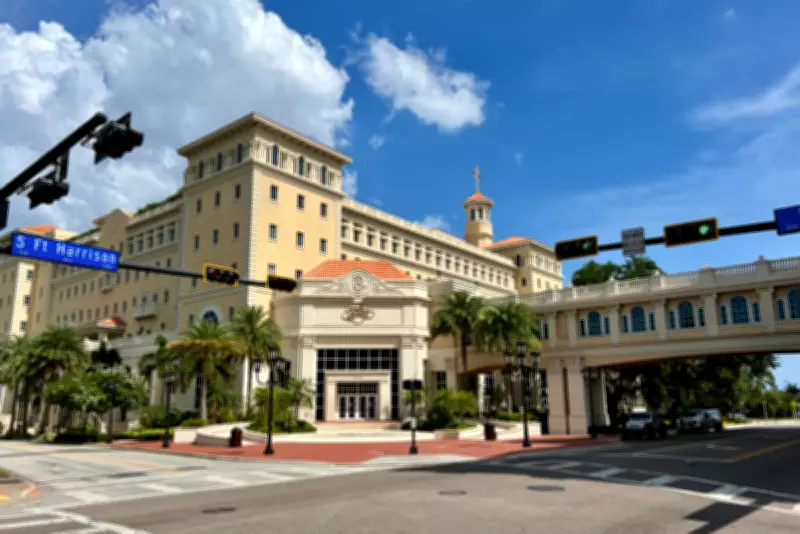
The church's influence in Clearwater expanded significantly after 2013, when it moved its spiritual headquarters from California, constructing a $145 million, 15-storey tower that occupies an entire city block. Since then, it has continued major real estate investments, now believed to hold around $1.5 billion in property assets as part of a total portfolio exceeding $1.75 billion.
Despite representatives promising "major announcements" about regeneration plans, city officials report being largely kept in the dark. Nearly a year has passed since a church representative presented a promotional video to the City Council outlining a vision for Cleveland Street, where the church has spent over $9 million renovating four properties. Proposed ideas included a spa, wellness studio, eyewear boutique, and French bistro, but specific timelines, tenants, and details remain elusive.
Mayor Bruce Rector has expressed a desire for the church to open even a handful of storefronts, suggesting it could "make the community feel better about them and their presence." Vice Mayor Lina Teixeira noted that renovations are a step in the right direction but emphasised, "I cannot be excited until I see what's going inside."
Financial Power and Community Concerns
The Church of Scientology operates as a tax-exempt religious organisation in the U.S., with annual revenue estimated at roughly $200 million, primarily from auditing services and member donations. Its real estate strategy often involves purchasing extensive properties to create buffer zones around its facilities, including urban blocks and sprawling compounds globally.
Tensions in Clearwater were further heightened in 2025 when the church attempted to buy a street adjacent to its headquarters to install a private plaza and auditorium—a multimillion-dollar scheme that was eventually dropped. Currently, all development inquiries directed to the church are routed to the Cleveland Street Alliance, a limited liability company it uses for projects. Manager Scott Dobbins has stated that "there will be major announcements in the coming weeks and months," but deemed it "premature" to share details.
As Clearwater advances its regeneration agenda, the question of what Scientology intends to do with its vast holdings continues to loom large, casting uncertainty over the city's collaborative future and the full realisation of its urban renewal dreams.