Seattle's Innovative Co-op Model Addresses Housing Crisis Through Community Living
As the United States grapples with an escalating housing affordability crisis, a pioneering development in Seattle, Washington, demonstrates how communal living arrangements can make homeownership accessible while cultivating meaningful social connections. The Corvidae Co-op, situated in the Beacon Hill neighborhood, presents a viable alternative in a city where median single-family home values exceed $800,000.
Affordable Housing Through Cooperative Design and Funding
The co-op was conceived by Allied8 architects and utilizes an innovative funding model developed by Frolic Community. Constructed on two recently up-zoned lots, the development comprises ten units of varying sizes and price points. By leveraging affordable housing subsidies and new density zoning regulations, homes within the co-op sell for less than half the city's median price, with some units priced as low as $180,000.
Residents share numerous communal amenities including outdoor decks, expansive group kitchens, laundry facilities, and a dedicated guest unit for visitors. This shared infrastructure significantly reduces individual living expenses while fostering regular interaction among community members.

Building 'Circumstantial Families' Across Generations
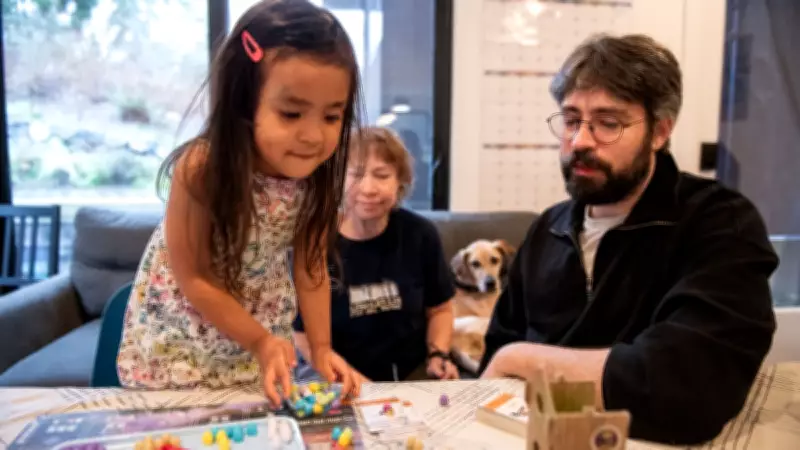
The co-op's eighteen residents span an impressive age range from three to eighty years old, creating what one resident describes as a 'circumstantial family.' This intergenerational community has developed strong bonds through shared activities and mutual support systems.
Elizabeth Simkin, a retired cello professor who returned to her native Seattle after nearly twenty-seven years on the east coast, appreciates how the arrangement provides proximity to her children while offering community connection. 'This feels like an alternative to some of the pitfalls of modern life,' she remarked during Spanish lessons with neighbors.
Middle school teacher Jon Starkes, who shares a 160-square-foot 'treehouse' studio with his wife, emphasized the familial aspects of co-op living: 'My wife and I don't have our own kids, and our parents don't live on this side of the country. And yet, there are people at the co-op who feel like they play both of those roles for us.'
Financial Benefits and Intentional Community Building
Beyond affordability, residents benefit financially from shared resources. The practice of lending tools, household goods, and communal meal preparation helps significantly reduce individual expenses. Jeanie Chunn, who works in hospitality and shares a $620,000 two-bedroom apartment with her husband, noted the balance between community and privacy: 'It's really nice to have people around all of the time. And it's large enough where people go back to their own spaces if they are feeling socially drained.'
The community meets regularly to discuss co-op policies, maintain their garden (which recently welcomed a peach tree), and organize rotating communal meals. Social activities range from game nights and mahjong lessons to movie screenings where children introduce adults to new entertainment like KPop Demon Hunters.
This intentional approach to community development creates what Chunn describes as 'plenty of space for residents to develop intentionally together,' offering both practical housing solutions and meaningful social connections in an increasingly unaffordable urban landscape.