The Department for Work and Pensions (DWP) has confirmed it is sending letters to individuals affected by the upcoming increase in the state pension age from 66 to 67. The phased change began in 2026 and will be fully implemented within two years. The DWP outlined its communication strategy in a document published on June 25, aiming to avoid a repeat of the WASPI scandal, where women born in the 1950s were not adequately informed about previous pension age changes.
Who Is Affected First?
Those initially impacted are people born between April 6 and May 5, 1960, who will need to wait an extra month before collecting their state pension. For example, someone born on April 6, 1960, will reach pension age at 66 years and 1 month. The table below shows the incremental increases for subsequent birth cohorts:
- 6 April 1960 - 5 May 1960: 66 years and 1 month
- 6 May 1960 - 5 June 1960: 66 years and 2 months
- 6 June 1960 - 5 July 1960: 66 years and 3 months
- 6 July 1960 - 5 August 1960: 66 years and 4 months
- 6 August 1960 - 5 September 1960: 66 years and 5 months
- 6 September 1960 - 5 October 1960: 66 years and 6 months
- 6 October 1960 - 5 November 1960: 66 years and 7 months
- 6 November 1960 - 5 December 1960: 66 years and 8 months
- 6 December 1960 - 5 January 1961: 66 years and 9 months
- 6 January 1961 - 5 February 1961: 66 years and 10 months
- 6 February 1961 - 5 March 1961: 66 years and 11 months
- 6 March 1961 - 5 April 1977: 67 years
DWP's Communication Measures
The DWP has implemented several measures to inform the public, including:

- Running communication campaigns encouraging people to use the ‘check your pension age’ tool on GOV.UK.
- Writing to individuals with a state pension age of 67 from June 2025, informing them of the earliest eligibility date and promoting the ‘Check your State Pension forecast’ service.
In the document, the DWP acknowledged past failures: “The Government accepted that maladministration in decision-making between August 2005 and December 2007 resulted in a 28-month delay in beginning to send individual letters to 1950s-born women about the changes in State Pension age. The Government apologised that DWP did not send individual letters earlier in this case.”
Life Expectancy Debate
At a Work and Pensions committee meeting earlier in June, committee chair Debbie Abrahams challenged the rationale for the age increase, citing declining healthy life expectancy. She said: “The Health Foundation has shown that healthy life expectancy has fallen by two years on average, and it will be worse in constituencies such as mine and yours. The first Pensions Commission pegged the increase in state pension age to life expectancy. Life expectancy has now increased overall—again, not in areas such as ours—but healthy life expectancy has declined. Are you considering using healthy life expectancy as well as life expectancy as a marker for what you should do about increasing the state pension age?”
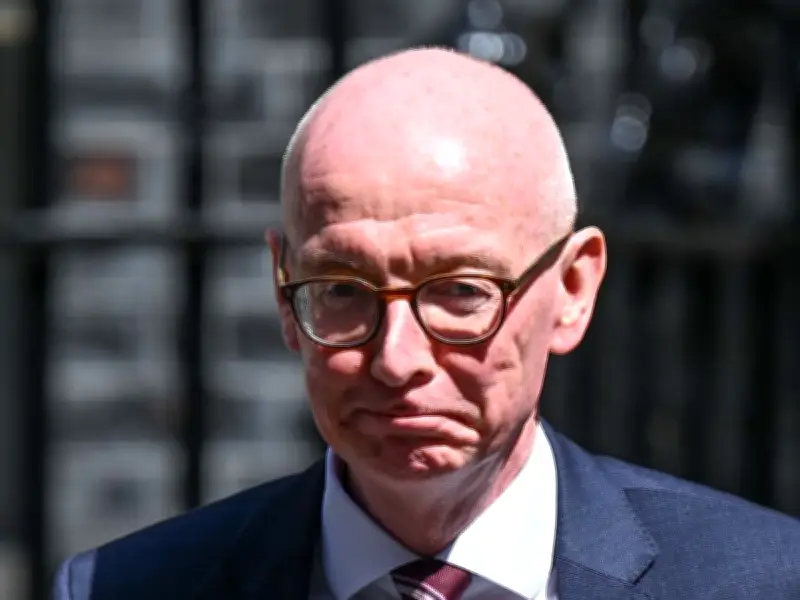
Work and Pensions Secretary Pat McFadden responded: “We should consider all these factors. I am conscious of and stand by what I just said to Mr Egan about how the same age can feel different and be experienced differently by people in different parts of the country. I am not trying to duck the question when I say this, but these are difficult decisions. You have to take into account affordability for the country, because even though it is a contributory system, it really works as a pay-as-you-go system. It has to be affordable and give people security in retirement, but it has to take into account the factors that you raise as well. We owe that to the public. It is a very delicate decision, which is why we do these careful reviews to take all these things into account.”
Impact on Poverty
When the pension age previously increased from 65 to 66, it pushed an additional 100,000 65-year-olds into absolute income poverty compared to the period before the change. The DWP aims to mitigate similar impacts through better communication and support.

The full DWP document, titled “Department for Work and Pensions (DWP) action plan: How DWP will learn lessons following the Parliamentary and Health Service Ombudsman’s (PHSO) investigation into communications around women’s State Pension age,” provides further details on the measures being taken.