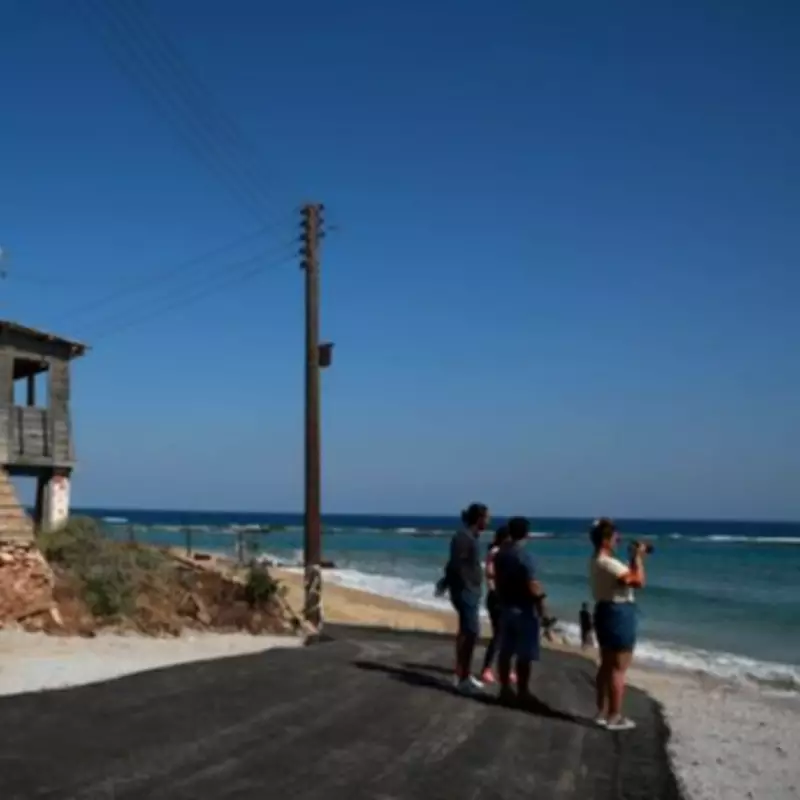
British holidaymakers are increasingly cancelling planned trips to Cyprus as military activity intensifies around the Mediterranean island, despite strong insistence from local politicians and business owners that the destination remains perfectly safe for tourists.
Drone Attack Triggers Regional Military Response
The situation escalated dramatically after a Shahed drone struck the runway at the RAF Akrotiri base in Cyprus on March 1st, causing what the UK Ministry of Defence described as "minimal damage" to infrastructure. A subsequent drone on March 2nd caused minor damage to a hangar at the same air base, with no injuries reported. British Typhoon and F-35 warplanes successfully intercepted two additional drones later that same day.
In response to these incidents, UK Prime Minister Keir Starmer confirmed the deployment of a Type 45 Destroyer to the Mediterranean region. This was followed by the Royal Navy's announcement that HMS Dragon, a Type 45 destroyer, would sail to Cyprus after completing six weeks of preparatory work in just six days.

International Allies Bolster Cyprus Defences
The military buildup extends beyond British forces. French President Emmanuel Macron visited Cyprus this week, pledging to defend the island nation and dispatching additional warships to strengthen regional security. "When Cyprus is attacked, it is Europe that is attacked," Macron declared during talks with Cypriot President Nikos Christodoulides and Greek Prime Minister Kyriakos Mitsotakis.
France has sent the frigate Languedoc to waters off Cyprus along with ground-based anti-drone and anti-missile defenses. Greece has contributed four F-16 fighter planes to the Paphos air base, with Greek frigates Kimon and Psara already patrolling Cypriot waters to intercept potential threats.
Tourism Industry Feels Immediate Impact
Despite the absence of Foreign Office travel warnings against visiting Cyprus, the visible military response has created significant anxiety among British tourists. Local business owners report noticeable declines in bookings and increasing numbers of holiday cancellations.
Vassilis Georgiou, a long-time resident and business owner since 1992, told The Guardian: "It may be early days, but suddenly hoteliers are saying bookings are down. People are thinking twice."
Nick Aristou, who owns three hotels in Cyprus, provided specific figures to the i Paper: "Most of the cancellations, I would say about 90 per cent, are all for March, about 10 per cent for April."
Mixed Signals from Tourism Representatives
Julia Lo Bue-Said, CEO of the Advantage Travel Partnership representing UK independent travel agents, reported an initial spike in Cyprus cancellations that has since evened out. "Our members did see some initial hesitation with Cyprus, and there have been instances where customers have paid a fee to change destination," she explained to the Mirror.
However, she noted that enquiries to Cyprus have slowed significantly, with increased demand shifting toward alternative Mediterranean destinations including Spain, Greek islands, Greece itself, and Portugal.
Official Reassurances Contrast with Tourist Concerns
Cypriot Foreign Minister Constantinos Kombos has urgently appealed to tourists not to cancel their plans. "I don't think that anyone should be in two minds," he told the BBC. "The situation, as I have been describing right now as we speak, has been perfectly normal. All activity is normal. Air traffic is going back to 100 per cent what it was before the incident."
Kombos emphasized that the attacks targeted British military bases rather than the Republic of Cyprus itself, describing the situation as "part of the regional situation" rather than a direct threat to tourists.
Similarly, Agia Napa Municipal Secretary Fotos Kikillos downplayed the scale of cancellations while acknowledging some impact: "We're hearing of cancellations, of a certain numbness at this week's ITB travel convention in Berlin. As you can see, life here is very safe. People are enjoying themselves. There's no sense of fear. The last thing we want in Cyprus is to be dragged into this war."

Strategic Location Creates Unique Vulnerability
Cyprus finds itself in a particularly sensitive position as the closest European Union member state to the ongoing conflict involving Iran. The island hosts two strategically important British Sovereign Base Areas at Akrotiri and Dhekelia, making it potentially more vulnerable to attacks targeting UK interests than other European destinations.
Despite the drone incidents occurring over a week ago and no further significant strike attempts since, the visible military buildup and Cyprus's geographical proximity to conflict zones continue to influence tourist decisions. The Foreign, Commonwealth & Development Office maintains its travel advice for Cyprus without warnings against travel, but recommends that British nationals planning visits check for the latest updates given the evolving regional situation.