Castaway in Cornwall: A Secluded Stay on Looe Island's Nature Reserve
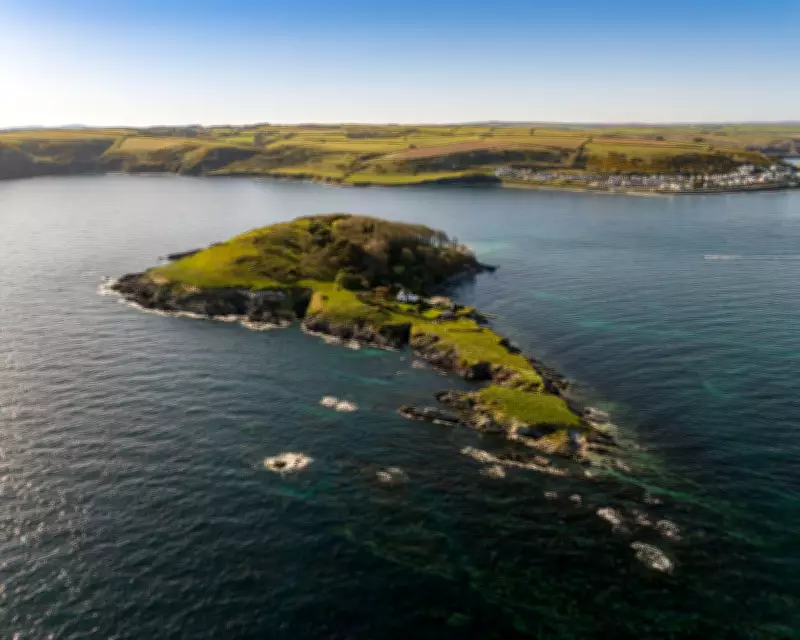
Just after dawn on Looe Island, Cornwall, a serene scene unfolds from a viewpoint overlooking the beach. Two seals entwine in the surf, their flippers wrapped around each other, eyes closed in blissful bonding. Observing from behind a bush, it feels like an intimate moment, yet the emerald-eyed cormorants guarding the shore remain unbothered. This marine nature reserve, also known as St George's Island, offers a unique escape from the mainland's hubbub, especially for those who book an overnight stay in the cosy Smuggler's Cottage.
Journey to Solitude
Arriving via the romantically named Night Riviera sleeper train from London, with an early morning change in Liskeard, the final leg is a 15-minute trip across the waves in a small fishing boat. Managed by the Cornwall Wildlife Trust, the island is accessible only through organised visits. While most visitors come for day trips, staying longer allows a deeper immersion. Loaded with food and bedding for a three-night visit, the mental baggage of workaday life begins to lift as the male seal courts his lady in the shallows.
Homely Accommodation and Historical Charm
Rain threatens, prompting a return to Smuggler's Cottage, a pretty whitewashed house that sleeps two, nestled in a garden of fruit trees and fading flower heads. The cottage features a bedroom, tiny kitchen, bathroom, and a cosy living room with a wood burner. Once home to a pipe-smoking, fist-fighting smuggler called Black Joan and her brother, Finn, it exudes homely charm. Rain drips from sycamore trees and clings to spiders' webs on the windowsills, creating a snug atmosphere perfect for a cup of tea in bed, warmed by the memory of a wildlife encounter where the animals remained unaware.

Legacy of the Island's Former Owners
Undoubtedly, it was to preserve such moments that the former owner, Roselyn "Babs" Atkins, left Looe Island to the Cornwall Wildlife Trust as a nature reserve. Babs and her sister, Evelyn "Attie" Atkins, defied the conventions of their time by never marrying, instead investing in careers and hobbies like mountaineering and rifle shooting. In 1965, Attie realised a long-held dream by purchasing the island with her sister for £22,000, becoming a daffodil farmer. Babs joined her later upon retirement, and after Babs's death in 2004, the trust took over management.
Wildlife and Visitor Experiences
The Cornwall Wildlife Trust manages the 9 hectares (22 acres) of woodland, maritime grassland, and rocky shoreline for wildlife benefit. This includes one of Cornwall's largest breeding colonies of great black-backed gulls, with wingspans over 1.5 metres, and marine species like the graceful compass jellyfish in rock pools. Apart from the cottage, visitors can stay in a bell tent overlooking Trelawny Island, where breakers crash on rocks and seals sleep nose skywards. Revenue also comes from landing fees for day trippers with Looe Sea Safari, a diminutive museum, and a giftshop selling homemade chutney and books on island life.
Personal Exploration and Connection
On a day when rough seas prevent day trippers, the island offers solitude. Reading in a meadow and exploring winding pathways to the summit, 47 metres above the sea, becomes a meditative experience. A self-guided trail, free from the bookshop, includes stops like Babs's meadow, where she is buried overlooking her beloved home. The route passes Island House, the sisters' old home, and follows the coastline with views over reefs before returning through bird-bright woodland. In the afternoon, a swim on the main beach, following instructions to avoid disturbing the gull colony, reveals silver striped mackerel in icy surf, culminating in a peaceful moment with hot chocolate as the sun sets.

Conservation and Empathy
Watching seals with wardens Claire and Jon later that evening highlights the importance of respecting coastal wildlife. Claire explains that disturbance can be life-threatening for seals, as resting helps them build fat layers for winter survival and milk production. However, protection must balance with public engagement to foster empathy and support. Staying on a nature reserve encourages people to slow down, notice small details like a spider building its web, and develop kinship with wildlife. These moments of connection teach humility in living alongside other creatures.
Ultimately, as Babs and Attie realised, the lordly gulls and amorous seals are the true owners of Looe Island. Yet, the opportunity to share their home, even briefly, offers a profound sense of peace and reconnection with the wilder world.