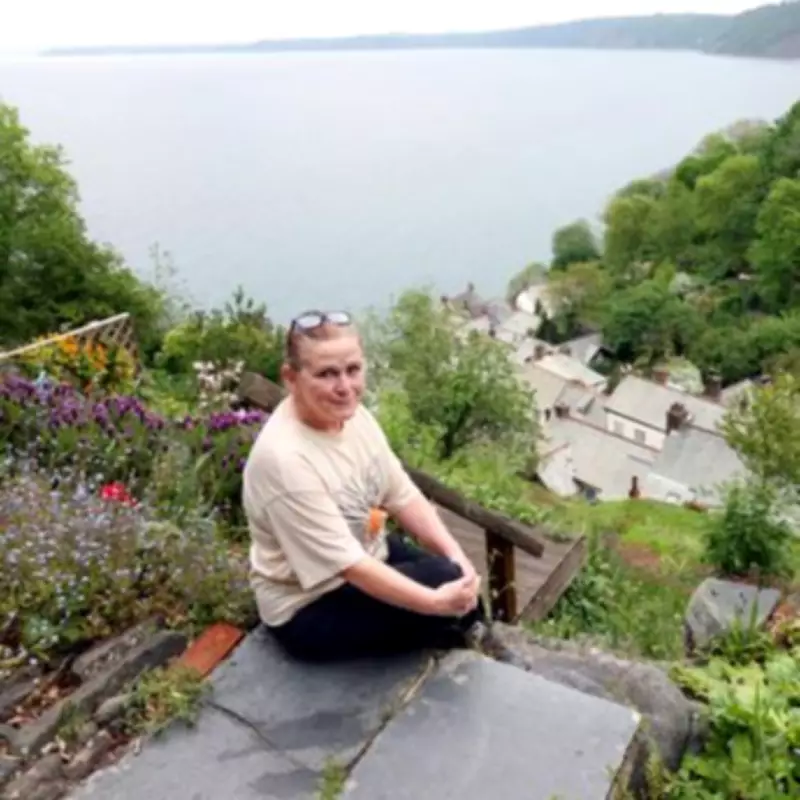
In a world of constant change, there exists a tiny seaside village so perfectly preserved that visitors must pay £10.90 just to step inside. Clovelly, perched on a 400ft cliff overlooking a stunning bay in North Devon, is one of the few privately owned villages left in the United Kingdom. Its owner, the Honourable John Rous, inherited the estate from his mother, Countess Mary Rous, in 1983 and has since dedicated himself to maintaining this unique slice of history.
A Village Frozen in Time
Clovelly's history stretches back nearly a millennium. It was recorded in the Domesday Book in the 11th century as the property of William the Conqueror. Later, it passed to his wife, Matilda of Flanders, England's first crowned queen. In 1738, the Hamlyn family purchased the estate for £9,438, and today it remains in the hands of their descendants, the Rous family. The village is home to around 250 residents living in 80 cottages, all car-free, and welcomes approximately 150,000 visitors each year.
Resident Cassandra McFarlane, who moved from South East London in 2021, describes life in Clovelly as idyllic. 'It's like time has stood still, like going back to 1950s Britain,' she says. 'Everyone talks to you, everyone's polite, you don't get anti-social behaviour. It's just a blissful place to live. It's so peaceful.'

The Entrance Fee: A Necessity for Preservation
Upon arrival, visitors must pass through a visitor centre where admission costs £10.90 for adults and £6.25 for children aged seven to 16. This fee is not a money-making scheme but a vital source of income for the village's upkeep. When Mr Rous inherited the estate, there was a significant backlog of repairs. 'We put together a plan to create the visitor centre and the money created there helps the maintenance of the whole village,' he explains. 'Fortunately, it all worked out financially and we're still here today.'
The regular income from entrance fees has allowed Clovelly to maintain a policy of no second homes or absentee landlords. Mr Rous acts as landlord for every cottage, fostering a close relationship with tenants. 'I say to people that if you love a traffic-free area or have always wanted to live by the sea, but you can stand visitors, Clovelly will be perfect for you,' he says.
Sledges: The Village's Unique Transport
One of Clovelly's most distinctive features is its use of sledges to transport goods up and down the steep cobbled High Street. Replacing donkeys largely by the 1970s, these sledges are a practical solution to the village's car-free policy. 'Everyone has their own sledge and they go past every day. I've even seen someone take a grand piano down the hill! It's truly unique,' Ms McFarlane says. Locals order groceries for delivery, and when drivers see 'Clovelly' on the address, they give a 15-minute warning so residents can head to the top of the street with their sledge.
Tourism and Community Life
While tourism is crucial to Clovelly's survival, the village maintains a careful balance. Most visitors are day-trippers, arriving around 10am and leaving by 4pm or 5pm, after which the village returns to its peaceful self. 'People sometimes ask me if I get fed up with the tourists and I say: 'Don't bite the hand that feeds you',' Ms McFarlane remarks. 'We're very lucky they still want to come and see the village because all of the money they spend to get in here is reinvested in the cottages.'
The New Inn, a 500-year-old hotel halfway down the High Street, has undergone sympathetic restoration. Manager Ian Roberts, who runs the hotel with his wife Theresa, says, 'The New Inn is around 500 years old and remains steeped in history. There's so much history in Clovelly, it's a very unique place.' The hotel once hosted Charles Dickens, who wrote of the cobbled streets and cliffs in 'A Message to the Sea'. Charles Kingsley, the 19th-century novelist, also lived in the village as a child.

Attractions and Events
Beyond its historic charm, Clovelly offers plenty for visitors. The South West Coast Path provides hikes to Mouth Mill Beach, while Clovelly Court Gardens at the top of the village offer a tranquil spot to relax. The Fisherman's Cottage and Kingsley Museum and Shop delve into local history. The village also hosts several annual festivals, including the Seaweed Festival in May, the Maritime Festival in July, the Lobster and Crab Feast in August, and the Herring Festival in November.
'Around 120 years ago, Clovelly was just a fishing village with a lot of fishing and a little bit of tourism. Now, it's a little bit of fishing, which I'm keen to preserve through festivals, and a lot of tourism,' Mr Rous says. 'We've maintained a living community while avoiding becoming a seaside village full of holiday lets. It's such a welcoming place and the people are so proud to be associated with the village.'
For visitors like David and Margaret Herbertson, the experience is unforgettable. 'It's unique, isn't it? What I love is how quiet it is. There's no cars and no rush,' Margaret says. David adds, 'I've been here once before when I was younger and it doesn't look like it's changed much. Where we're stood now overlooking the sea it's amazing. I don't think there are many places like it around.'