Rome's Ancient Colosseum Receives Contemporary Renovation
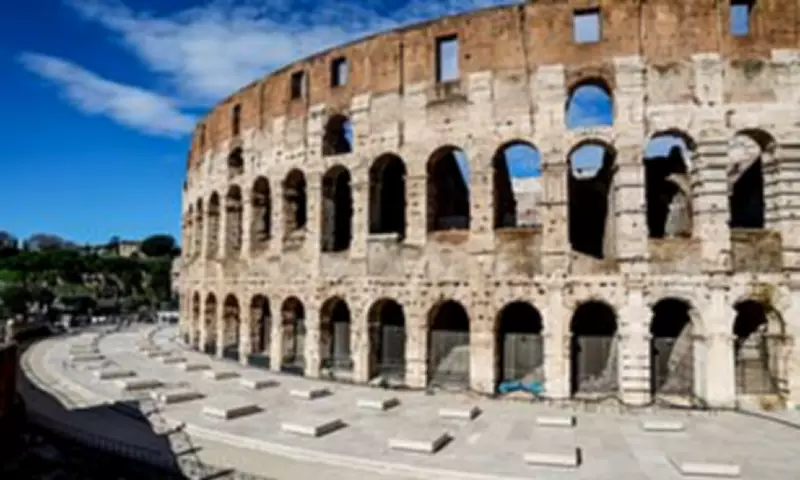
Millions of tourists flock to the Colosseum annually, making it one of Italy's most visited landmarks. This iconic ancient structure has now been given a modern makeover, with recent renovations transforming its southern wall area. The once characterful cobblestones have been replaced by marble pavestones, and sleek, square benches have been installed where pillars previously supported additional seating.
Materials and Design Intent
Both new additions have been crafted using the same type of marble that was originally employed in the construction of the impressive amphitheatre. The restoration has been carefully curated to reflect the Colosseum's former grandeur and larger historical footprint. However, this contemporary approach has not been universally welcomed.
According to reports in The Times, some critics argue the changes appear 'too white' and excessively modern for such an ancient site, sparking backlash among preservationists and visitors alike.

Official Defence and Practical Considerations
Site director Simone Quilici has firmly defended the decision, brushing off criticism by stating, 'This is by definition a modern restoration — we will leave the movies to do fake ancient Rome.' He suggests that as the new marble ages naturally over time, it will blend more harmoniously with its surroundings. 'If the new marble gets a bit worn with time it will look a bit better,' Quilici added.
Chief architect Barbara Nazzaro revealed a crucial practical aspect: the paving stones were designed to be completely removable without leaving any trace, ensuring the ancient foundations remain undamaged. 'The paving is laid in such a way it can be removed without damaging the ancient foundations beneath. If in 50 years we decide we don't like it anymore, we can take it out. That was really important to us,' Nazzaro explained.
Recent Historical Access Developments
This renovation follows another significant development at the Colosseum. In October, a 180-feet-long VIP underground passage was opened to the public for the first time. Originally dug through the foundations and concealed from the masses, this passage allowed Roman emperors to exit the arena unseen.
Experts date its creation between the 1st and 2nd centuries AD, decades after the amphitheatre's original construction in the AD 70s. Now partially lit and ventilated by air vents, visitors can trace the same steps once taken by emperors.
The Archaeological Park of the Colosseum described the opening as having 'extraordinary significance,' making accessible 'a place so fascinating for its history, its architecture, and, not least, its decorative apparatus, which was for exclusive use and hidden from the public during the time of the emperors.'