Fes: Morocco's Hidden Gem City Offering Rich Culture Beyond Marrakesh
Often dubbed Morocco's 'second city', Fes presents a compelling alternative to the glitzier, more frequented Marrakesh. This historic destination, recently named one of 2026's 'hidden gems' by GetYourGuide, boasts a wealth of culture, beauty, and generous hospitality that defines its unique character.
A City Defined by Meticulous Dedication
From the moment you arrive, Fes reveals a pervasive commitment to detail that shapes everyday life. Outside a local butcher's shop, three scrawny cats weave through shoppers' feet with unwavering focus, mirroring the city's own dedication to precision. This meticulous approach manifests everywhere – from artisans creating intricate thousand-piece mosaics upside down and blind, to specialised souk vendors dedicating themselves to single products like vast baskets of dates, glistening olives, or delicate handmade filo pastry for savoury pastilla pies.
Even the ritual of pouring Moroccan mint tea becomes a ceremony of precision, with a silver kettle held high as a single crunchy sugar cube drops into the glass. In Fes, time isn't merely spent but invested in the beautiful, important, and undeniably tasty aspects of life.

The Cultural Heart of Morocco
Considered Morocco's capital of crafts and a hub of cultural, spiritual, and political stability, Fes served as the nation's capital until the French administration switched it to Rabat in 1912. Despite this historical significance, the city often gets passed over for Marrakesh, which benefits from more flight routes and media attention.
Yet Fes offers something increasingly rare: authenticity. The UNESCO World Heritage medina contains 9,000 labyrinthine passageways, some barely the width of a person, where 500,000 people live within 14 main gates. "There is everything you need in the medina, no need to go outside," explains walking tour guide Fatah with a proud smile.
Weather Surprises and Seasonal Beauty
During a recent February visit, unseasonably chilly weather surprised both visitors and locals. At Riad El Kadi/La Maison Bleue, a traditional riad with a courtyard normally open to blue skies, outdoor heaters appeared as guests enjoyed crispy roti-style bread with local fig jam and Nutella. The expected 18°C temperatures gave way to grey skies and rain that poured through the riad's roof, prompting staff to bemusedly sweep puddles.
"Spring was only a month last year," Fatah reveals, alluding to how swiftly heat can spike in the region. Yet the unusual weather brought unexpected beauty – the hills surrounding the city remained lush green rather than scorched ochre dust, creating a striking contrast against the terracotta shades of the medina's Arabic-style architecture.
Authentic Souk Experiences
The Fes souk offers a refreshingly untouristy experience. Unlike more commercial markets, visitors aren't accosted to buy things but might find themselves gently bustled aside by older women focused on their shopping. The atmosphere feels genuinely local, with little stores showing Liverpool versus Manchester City football matches on television while live chickens cluck on shelves awaiting preparation.
As Ramadan approaches, almond-grinding shops become particularly busy, preparing ingredients for the sweet cookies synonymous with the Islamic month of fasting. The souk operates on tradition, with Muhammad, a plaster sculptor who runs homestay experiences with his wife Jessica, noting: "You shop where your parents shopped."
Culinary Traditions and Homely Feasts
Muhammad and Jessica's cookery classes reveal the heart of Moroccan hospitality. Shopping for ingredients becomes an education in quality – Muhammad can identify the best Medjool dates with his eyes closed. Back in their medina kitchen, participants learn that one tablespoon of Fes honey equals three tablespoons in the UK, that you can never have too much cumin or cinnamon, and that you must kiss your hand before adding a pinch of salt to the pot.
The resulting feast – pastille, tagine, lamb with crisp fried aubergine, sticky carrot salad, tangy olives with preserved lemon, and rich merguez sausage in tomatoey sauce – is enjoyed family-style in pursuit of what locals laughingly call a 'tagine baby'.

Master Crafts and Cultural Preservation
Fes maintains its reputation as Morocco's craft capital through dedicated artisanship. At Art D'Agile pottery atelier, Mourad explains that "mosaic is the most important craft unique to Fes." Craftsmen cut tiles from local clay, chiselling them into tiny zellige shapes by hand in methodical, painstaking work requiring incredible patience.
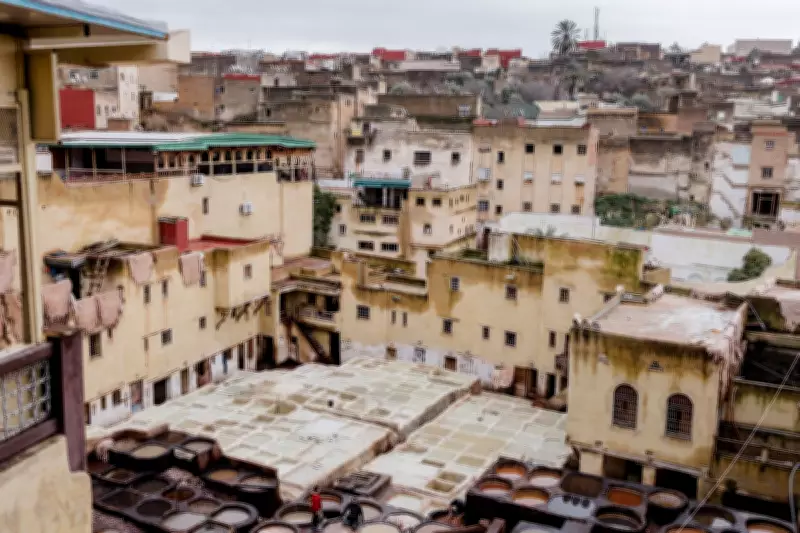
Similarly, in the medina's oldest tannery, men work three to four hour days feeding animal skins into vats of lime, transferring them to jacuzzi-shaped pools, and dyeing and pummelling them while wearing waders – work as intense as the smell that requires mint fronds held under the nose.
Mosaic creation involves geometric designs inspired by algebra and algorithms, made by memory. Large mosaics take almost a month to complete, with masters remembering colours and patterns without checking their work. "Perfection is only for God, sometimes we make mistakes," Mourad says wryly.
These mosaics serve practical purposes too, acting like natural air conditioning in homes when summer temperatures hit 48°C. As Fatah explains during medina walks: "Modesty and poverty on the outside, on the inside you pay attention to the beauty." Yet visitors quickly discover that Fes displays beauty everywhere, right out in the open.
Practical Travel Information
Fes's primary tourism season runs February to May, shorter than Marrakesh's visitor window but offering pleasant conditions for exploration. Return flights with Ryanair from London Stansted to Fes start from £140. Accommodation options include deluxe rooms at Riad El Kadi/La Maison Bleue from 2500 MAD (£201) per night and Hotel Sahrai from 3500 MAD (£280) per night.
Experiences available through GetYourGuide include pottery workshops with guided tours (£35 per person), Fes souk tours with traditional home cooking classes (£48 per person), and guided Fes tours (£13 per person for 3.5 hours). These experiences offer authentic immersion into a city where meticulous dedication creates unforgettable travel memories.