Five Unusual Traditional Irish Dishes That Might Surprise Modern Diners
Irish cuisine is celebrated for its comforting and hearty classics, but there exists a peculiar and often overlooked side to its culinary traditions. Influenced by coastal living and generations of resourcefulness, certain traditional dishes can appear decidedly strange to contemporary tastes. Jonathan Salzar, a specialist from Quick Whip, has curated a list of what he describes as the "strangest" regional delicacies Ireland has to offer.
He remarked: "Food is such a big part of Irish culture, and you really notice it on St Patrick's Day. Every part of the country has its own flavours and traditions, and they all have stories behind them about the people and the ingredients they had on hand. It's not just about filling your stomach, it's about history and culture on a plate."
Periwinkle
Periwinkles, commonly referred to as "winkles," are small sea snails typically boiled and consumed by using a pin to extract the meat from their shells. While often associated with French cuisine, winkles are also a staple in coastal Irish regions such as County Donegal, as noted by Jonathan. "Winkles have been eaten for thousands of years by humans. They're an abundant univalve that lives on the foreshore," he explained. According to Wild Walks South West, "They are usually the shellfish living highest up on the shore, so they are often the easiest to forage all year round, regardless of whether it's a big tide or not."

Coddle
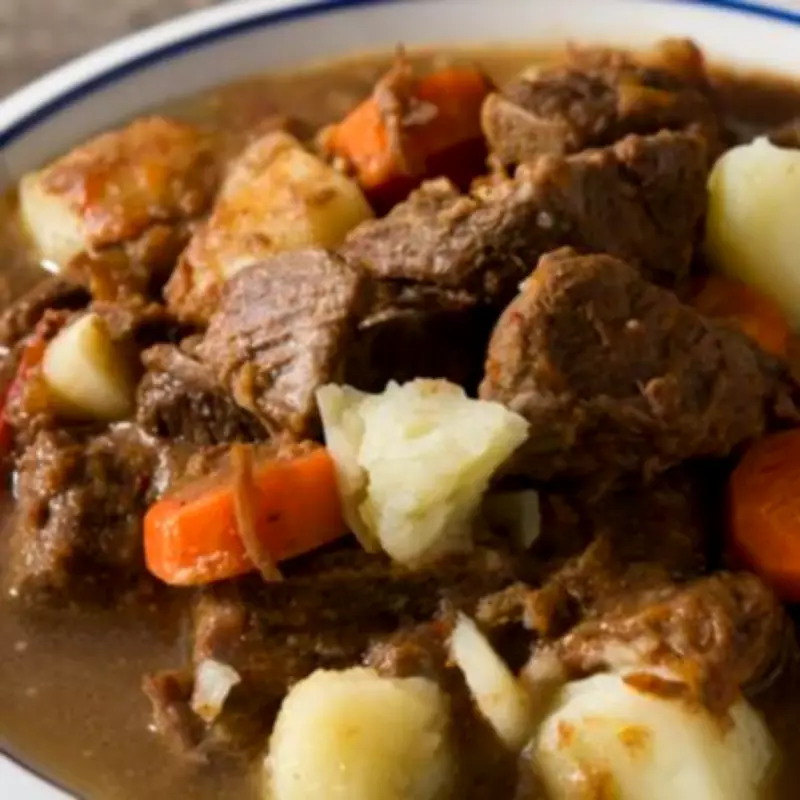
Coddle is a traditional Dublin stew that Jonathan describes as being made with sausages, bacon, onions, and potatoes simmered together. Visitors are frequently taken aback by this dish due to its pale colours, as the ingredients are gently stewed rather than fried. Olivia Cuisine adds: "The name comes from the word 'coddle,' which derives from the French verb 'caudle,' meaning 'to boil gently, parboil or stew'. And that's because this stew gently cooks for hours, in the oven, at a low temperature."
Sheep's Head Broth
Another dish that might surprise people is Sheep's Head Broth, a traditional offering from County Kerry and County Cork. Jonathan shared: "The broth is made by boiling a whole sheep's head for hours with vegetables and barley. Historically, it was considered both nutritious and economical, using parts of the animal that might otherwise go to waste." This practice highlights the resourceful nature of Irish cooking, where no part of the animal is wasted.
Limpet Soup
Limpets are small marine shellfish that cling tightly to rocks along the shoreline, where they are carefully gathered by hand. Once collected, they are typically cooked into hearty soups or slow-simmered stews, allowing their flavour to infuse the dish. Known for their strong, briny ocean taste and notably chewy texture, limpets offer a distinctive experience compared to other shellfish. Historically, limpet soup has been an important part of the diet in coastal communities, particularly in County Clare and County Galway.
Gubbeen Ice Cream
Lastly, Gubbeen Ice Cream from County Cork represents a more modern twist on traditional Irish fare. Jonathan explained: "Gubbeen has occasionally been turned into ice cream, creating a surprisingly savoury dessert. The rich, slightly funky cheese flavour makes it one of the more unusual modern Irish food experiments." According to the Cheese Lady: "Gubbeen is a fantastic farmhouse cheese from Ireland, known for its rich flavours and distinctive character. Made with milk from the farm's own herd of Friesian and Kerry cows, this cheese develops a unique orange rind and wonderfully balanced pungent aroma thanks to regular washing with brine during the ageing process."