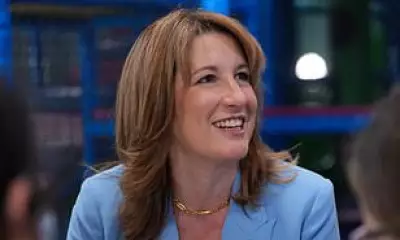
UK's First Flight-Free Travel Editor Breaks Six-Year Pledge for Global Trip
In a surprising turn of events, Helen Coffey, who made headlines as the United Kingdom's inaugural travel editor to renounce air travel, is preparing to board an aircraft for the first time in over half a decade. This decision marks a significant departure from her steadfast commitment to flight-free journeys, a pledge she has upheld since 2019 in response to the escalating climate emergency.
The Dream of Flying and the Reality of Climate Guilt
After abandoning air travel, Coffey experienced recurring dreams involving planes and airports, often filled with guilt and anxiety. She discovered she was not alone in this phenomenon. Anna Hughes, founder of the charity Flight Free UK, who has not flown for two decades, also reports similar nocturnal experiences. Now, as Coffey prepares to return to the skies, those feelings of guilt have resurfaced in her waking life.
From Frequent Flyer to Flight-Free Advocate
Coffey's journey began in 2019 when, as deputy travel editor at The Independent, she was covering the flygskam or "flight shame" movement from Sweden. At that time, she had taken 25 flights in less than six months. However, interviews with individuals who had given up flying for environmental reasons planted a seed of change. By November 2019, she took her last flight and signed the Flight Free UK pledge on January 1, 2020, vowing to avoid air travel for a year.

The global pandemic disrupted her plans, but she renewed her pledge in 2021 and authored a book, Zero Altitude: How I Learned to Fly Less and Travel More. Through extensive research involving climate scientists and environmental experts, Coffey's perspective shifted profoundly. She eventually became the first travel editor of a national UK publication to officially adopt a flight-free stance, maintaining this vow even after moving to features writing.
The Joys and Challenges of Slow Travel
Coffey emphasizes that her decision was not purely altruistic. She found flight-free travel to be immensely enjoyable, despite its higher costs and logistical hurdles. Memorable experiences included a ferry from Portsmouth to Bilbao with dolphins leaping alongside, a sleeper train from Paris to Vienna shared with companions, and walking the Camino pilgrimage trail. These journeys transformed travel into an integral part of the adventure, adding magic rather than detracting from it.
Why Break the Pledge Now?
The catalyst for Coffey's return to flying is a month-long trip to Australia, New Zealand, and Japan. This opportunity arose due to a combination of factors: her sister's family is on sabbatical in Melbourne, friends have relocated near Auckland, and Japan is her top bucket-list destination. Additionally, a sabbatical approval and an unexpected inheritance made the trip feasible. Coffey felt this might be a once-in-a-lifetime chance, especially amid global uncertainties.
She acknowledges the environmental impact, noting that long-haul flights are particularly carbon-intensive. Aviation emissions are projected to rise by 59 percent by 2050 compared to 2019 levels, with passenger numbers expected to more than double. A return flight to Australia can generate more CO2 than some countries produce annually.
Mitigating the Environmental Impact
To address her carbon footprint, Coffey is following sustainable travel advice: making the trip count by traveling for longer durations and supporting local economies. She is also committing to carbon offsetting. Using the Atmosfair emissions calculator, she determined her flights will produce 5,652kg of CO2. She plans to offset this through Climeworks, which employs carbon removal methods like Direct Air Capture, at a cost of £1,130—a significant but necessary expense, she argues, for responsible travel.
A Final Hurrah for Air Travel
Coffey frames this trip as her air travel swansong, likely the last time she will ever board a plane. She intends to savor every moment before returning to a lifetime of land and sea journeys. While she may always dream of flying, she remains committed to keeping her feet on the ground to protect the planet she loves exploring. This decision reflects a complex balance between personal aspirations and environmental responsibility, highlighting the ongoing challenges in sustainable travel.