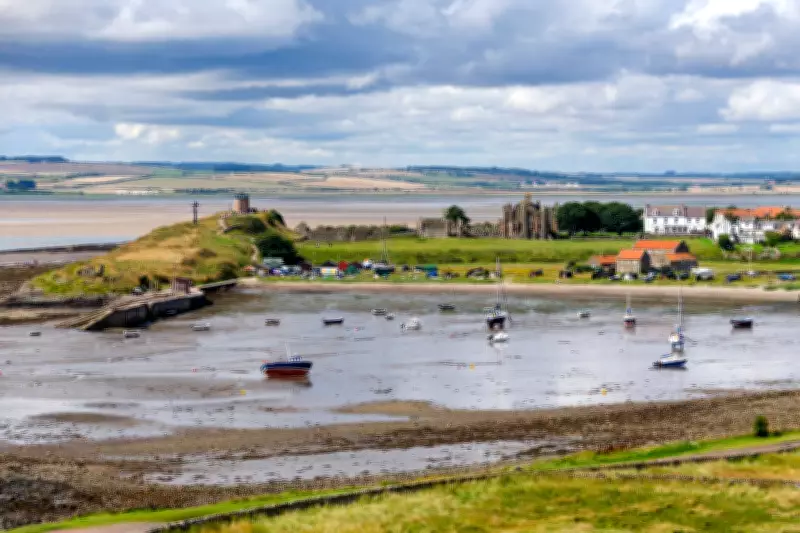
The Enchanting Tidal Island of Holy Island in Northumberland
Holy Island, also known as Lindisfarne, is a magical tidal island located 60 miles north of Newcastle in Northumberland. Accessible solely by a causeway just twice daily, this unique destination sees 10-20 vehicles stranded annually due to rapidly rising tides, necessitating rescue operations. The island's allure lies in its rich tapestry of history, stunning natural beauty, and serene atmosphere, making it a must-visit spot for travellers seeking an escape from the ordinary.
A Landscape Steeped in History and Culture
Holy Island boasts a deep historical significance, dating back to AD635 when St Aidan founded a monastery here, marking the early spread of Christianity. The island is dotted with remnants of its past, including well-preserved lime kilns from 1860 that highlight its industrial heritage. Today, it is home to around 150 permanent residents but attracts up to 500,000 visitors each year, drawn by its 16th-century castle—originally a Tudor fort—and the 12th-century ruins of Lindisfarne Priory.
The castle, visible from the London to Edinburgh train on clear days, served as an apocalyptic backdrop for the 28 Years Later films, adding to its intrigue. Andrew Fox, chair of Visit Northumberland, emphasises the island's preciousness, urging visitors to tread lightly, respect the tides, and stick to paths to preserve its essence.

Natural Wonders and Wildlife
Falling within the Northumberland Coast National Landscape and at the heart of the Lindisfarne National Nature Reserve, Holy Island is a haven for wildlife. Driving across the causeway offers a surreal experience as mud flats and saltmarshes whizz by, leading to sightings of Atlantic grey seals, redshank, curlews, and herons. The island's geological importance is underscored by its position as the most northerly point of the Great Whin Sill, a volcanic rock formation dating back 295 million years.
Iain Robson, Northumberland Coast National Landscape manager, recommends visiting during closed tide for the most magical experience, when the island's tranquillity is at its peak. Out-of-season visits in autumn, winter, or spring allow escape from crowds, revealing the island's dramatic, rugged beauty.
Exploring the Island's Charms
Visitors can explore Holy Island on foot via the three-mile Pilgrim's Way, though safe crossing times must be checked online or on island boards. For guided experiences, Footsteps in Northumberland offers seven-mile walks across the causeway for ages six and up. Once on the island, two main car parks are available, with restricted parking beyond. Dog-friendly areas require leads to protect wildlife, especially ground-nesting birds.
Highlights include the stunning walled garden created by Gertrude Jekyll in 1911, located near the castle, and northern beaches like Sandham Bay with golden sands and turquoise waters. Emanuel Head, a pyramid-shaped daymark from the 1800s, guides ships nearby. For sustenance, options include family-run Pilgrims coffee house, The Ship Inn, The Crown and Anchor pubs, and The Manor House Hotel for accommodation.
A Community Like No Other
Will Smith, whose family lived on Holy Island for generations, shares that the island offers pure freedom, beautiful scenery, and a tight-knit community. His grandmother recalled using a horse and cart before the causeway road opened in 1954. Tourism supports local life, with pubs, shops, and cafes thriving, though visitors are reminded to respect the living community.
Leaving Holy Island feels like returning to reality, with many yearning to return. Always check safe crossing times before departure to avoid the fate of stranded vehicles. This tidal haven in Northumberland promises an unforgettable blend of history, nature, and peace.