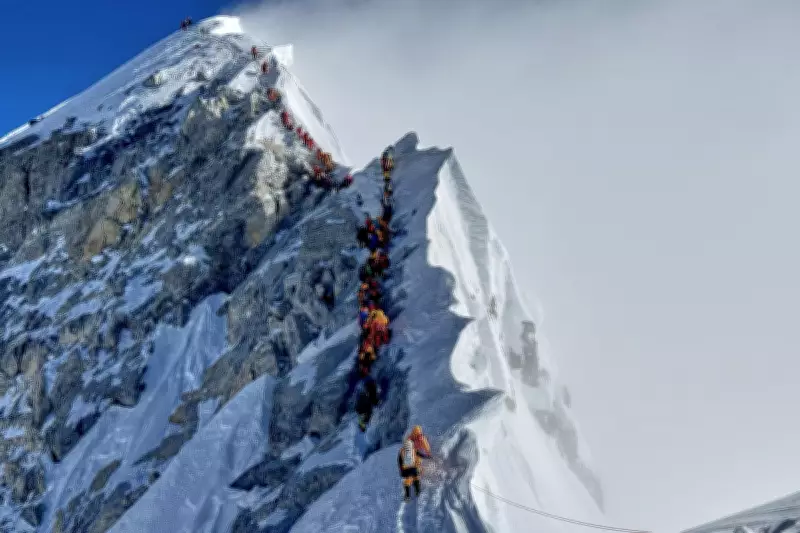
Nepal's Parliament Endorses Stricter Mount Everest Climbing Regulations
In a landmark decision, the upper house of Nepal's National Assembly has unanimously endorsed a new tourism bill designed to introduce stricter rules for mountaineers attempting to climb Mount Everest. This legislative move aims to address growing concerns over safety, environmental degradation, and the increasing number of inexperienced climbers on the world's highest peak.
Key Provisions of the New Legislation
The proposed legislation includes several critical measures to regulate climbing activities on Mount Everest. Firstly, it mandates that climbers must have previously summited another Nepalese mountain exceeding 7,000 metres in altitude. This requirement is intended to ensure that only experienced and capable individuals undertake the challenging ascent of Everest.
Additionally, climbers will be required to provide a recent health certificate, verifying their physical fitness for high-altitude conditions. The bill grants the Department of Tourism the authority to deny permits to individuals deemed at risk during the ascent, based on health assessments or other safety considerations.

Environmental and Emergency Measures
Environmental protection is a significant component of the new bill. It includes provisions to convert the existing waste deposit into a non-refundable fee, which will be allocated towards conservation and cleanup efforts on the mountain. This measure aims to combat the accumulation of litter and waste left by climbers, which has become a pressing environmental issue.
The legislation also clarifies liability for emergencies on Mount Everest, establishing clear protocols for rescue operations and financial responsibilities. Furthermore, it sets a one-year period before a missing person on the mountain is officially declared dead, providing more time for search and recovery efforts in the harsh and unpredictable conditions.
Background and Implications
This legislative action comes in response to recent incidents, such as snowstorms trapping hundreds of hikers on Mount Everest, highlighting the urgent need for improved safety standards. The new rules are expected to reduce the number of accidents and fatalities by ensuring that climbers are better prepared and equipped for the extreme challenges of high-altitude mountaineering.
By implementing these stricter regulations, Nepal aims to balance the economic benefits of tourism with the preservation of Mount Everest's natural environment and the safety of all individuals involved. The bill now moves to the lower house for further consideration and is anticipated to become law in the coming months, marking a significant shift in how climbing expeditions on Everest are managed.