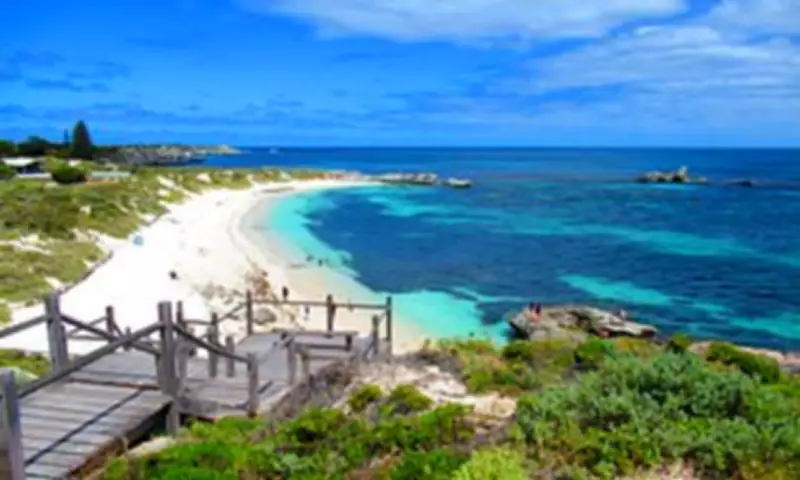
Nestled just off the coast of Perth in Western Australia, Rottnest Island presents itself as the quintessential holiday destination. With its expansive sandy beaches, clear blue skies, and vibrant turquoise waters, it is officially designated a 'Class A Reserve', ensuring the protection of its native flora and fauna. However, this picturesque facade conceals a deeply troubling and sorrowful historical narrative.
The Dark Legacy of Wadjemup
Known as Wadjemup by the local Indigenous Noongar people, the island served as a prison for Aboriginal men and boys from 1838 to 1902. During this period, approximately 4,000 individuals were incarcerated there. Following the closure of the prison, the site was repurposed as a forced labour camp for both Aboriginal people and Europeans, operating until 1931.
The conditions within the prison were notoriously harsh. Inmates were subjected to overcrowded living quarters, which facilitated the rapid spread of disease. According to reports, 373 Indigenous prisoners lost their lives over the years, with most being interred in unmarked graves. For decades, this tragic chapter of history was largely obscured from public awareness.

Erasing the Past for Tourism
In a move that many now view as deeply insensitive, the main cell block of the former prison was converted into holiday accommodation. For years, tourists enjoyed stays in these buildings, completely unaware of the suffering and deaths that had occurred within their walls. This practice continued until 2018, when the facility finally ceased operations as a tourist resort.
Similarly, the unmarked burial ground, now recognised as the Wadjemup Aboriginal Burial Ground, was transformed into a campsite. Holidaymakers pitched tents and slept directly above the resting places of the deceased. This situation persisted until 1970, when human remains were discovered, leading to the eventual closure of the campsite in 2007.
Steps Towards Reconciliation and Remembrance
In recent years, significant efforts have been made to acknowledge and honour the Aboriginal people who were imprisoned on Wadjemup. The Rottnest Island Authority has committed to confronting the island's past, stating that it seeks to 'acknowledge the island’s former role as a prison for Aboriginal men and boys, tell the truth about what happened on the island, and put steps in place that ensures all people can move forward together in an environment of cooperation and understanding'.
Today, while various accommodation options are available on the island, none are associated with the original campsite or prison buildings. Visitors are instead encouraged to engage with the island's natural beauty and its historical significance in a more respectful manner.
Modern Attractions and Cultural Engagement
Contemporary visitors to Rottnest Island can enjoy a wide array of activities. The island boasts an extensive network of biking and hiking trails, perfect for exploring its diverse landscapes. The pristine beaches offer excellent opportunities for snorkelling in the clear, impressive waters.
Between August and December, the island becomes a prime location for whale watching, with humpback and southern right whales frequently spotted offshore. The historic Bathurst Lighthouse, standing since 1900, provides a stunning vantage point over Pinky Beach and the surrounding ocean.
For those wishing to connect with the Aboriginal history of Wadjemup, the Wadjemup Museum offers a profound cultural experience. An exhibition featuring artwork from over 50 Aboriginal artists across Western Australia is currently on display and will remain until April 30, 2026. This initiative serves as a vital platform for education and remembrance, ensuring that the stories of those who suffered are not forgotten.
The transformation of Rottnest Island from a site of incarceration and sorrow to a popular tourist destination highlights a complex narrative of natural beauty overshadowed by historical trauma. As awareness grows, the island stands as a poignant reminder of the need to honour the past while building a more inclusive and understanding future.