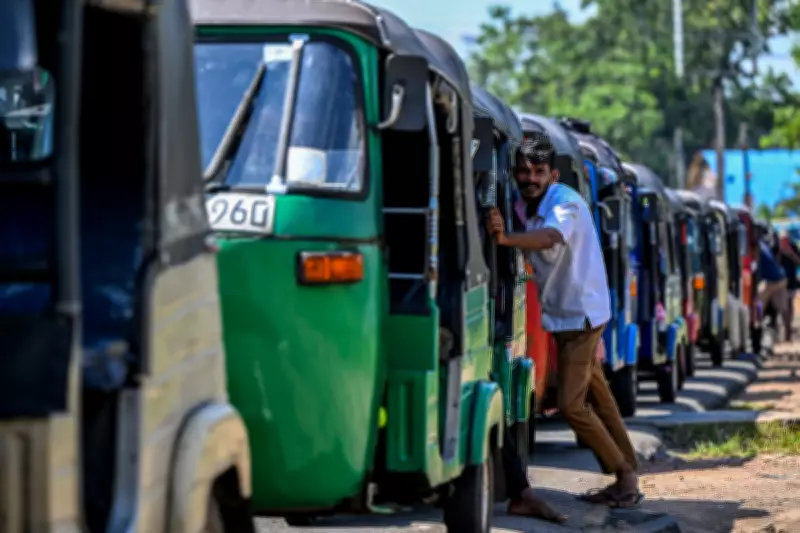
Sri Lankan authorities have unveiled special fuel arrangements for tour operators and hotels in a bid to prop up the tourist industry, as visitor numbers have plummeted by half this week amid the ongoing Middle East conflict. The government is limiting fuel purchases due to global supply disruptions caused by the US-Israeli war on Iran, but has prioritised the tourism sector to minimise economic fallout.
Fuel Crisis and Tourism Support Measures
The Sri Lanka Tourism Development Authority (SLTDA) is offering a dedicated tourism fuel quota, which businesses can apply for through its official website. This move aims to cushion the industry from severe disruptions, as tourism has become a critical pillar for Sri Lanka's recovery from its 2022 economic crisis. In contrast, residents will face a weekly fuel quota, and state institutions, schools, and universities will adopt a four-day working week, with Wednesdays designated as holidays to conserve fuel.
Impact on Visitor Arrivals and Travel Logistics
Visitor numbers have dropped dramatically to 109,410 arrivals between 1 and 18 March, compared to 229,298 in the same period last year, a decline of over 50%. This sharp fall follows a peak of nearly 280,000 visitors last month, highlighting the rapid impact of the Middle East conflict. Airspace restrictions in the region are exacerbating the situation, causing chaos for connecting flights. Tourists from the UK typically transit through hubs like Dubai, Doha, or Abu Dhabi, but many routes are now disrupted.

The UK Foreign Office advises against all but essential travel to the UAE and Qatar, and warns that flights from Colombo to the UK via Middle Eastern hubs may face delays, postponements, or re-routing. British nationals in Sri Lanka are urged to check airline updates and consider alternative carriers or routes. Despite some major hubs gradually resuming flights, the overall travel landscape remains uncertain, further dampening tourist inflows.
Broader Economic and Social Adjustments
In response to the fuel shortages, civil servants have been instructed to work from home where possible, and the four-day week for public institutions is part of a broader strategy to reduce consumption. These measures underscore the severity of the supply crisis, which is affecting not only tourism but daily life and governance in Sri Lanka. The government's targeted support for tourism reflects its strategic importance, but the sector faces ongoing challenges from both fuel constraints and travel advisories.
As Sri Lanka navigates these turbulent times, the success of the fuel quotas and other adjustments will be crucial in sustaining the tourist industry and mitigating the economic repercussions of the Middle East conflict.