

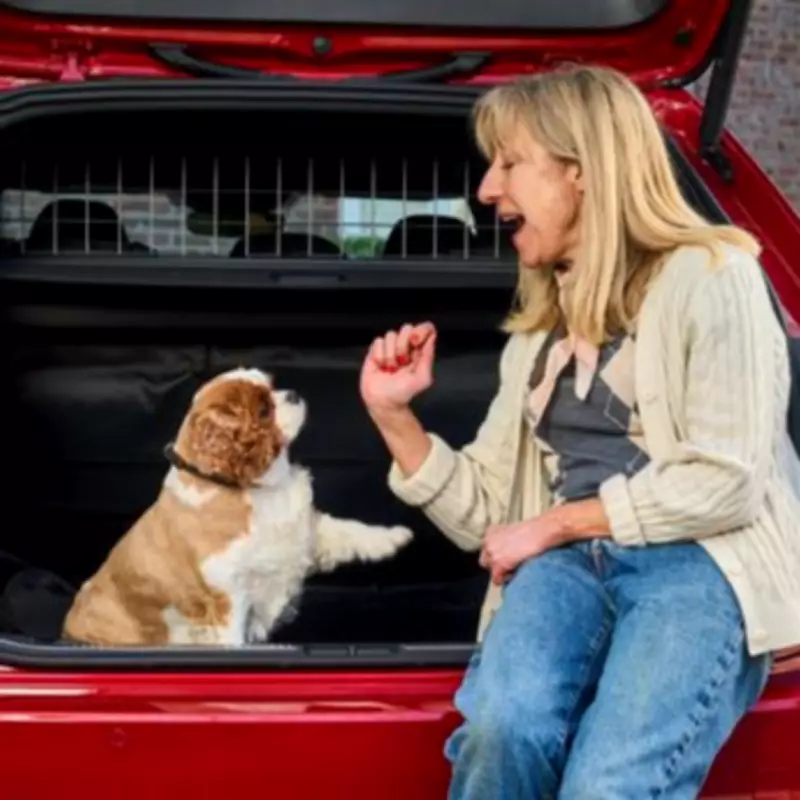
New Research Highlights Widespread Canine Car Travel Anxiety
One in three dog owners actively avoid taking their pets on car journeys, according to a comprehensive new survey of 1,000 dog-owning drivers. The research, commissioned by Škoda, the automotive sponsor of Crufts for the fourth consecutive year, reveals significant concerns about distraction, mess, and behavioural challenges during travel.
Many owners choose to leave their dogs at home primarily due to fears about being distracted while driving, especially if their pet fails to settle. Additional worries include the potential for mess and the practical difficulty of getting dogs in and out of the vehicle, leaving numerous owners feeling uneasy about embarking on trips with their canine companions.
The Pandemic's Lasting Impact on Canine Behaviour
The study suggests that behavioural issues may be exacerbated by the pandemic. Sixteen percent of owners who had dogs during lockdown believe it negatively affected their pet's behaviour. Around 70% attribute detrimental effects to a lack of socialisation with other dogs, while 20% cite limited human socialisation as a key factor. Furthermore, 30% believe lockdown led directly to their dogs developing separation anxiety.

These concerns appear well-founded, with 20% of respondents reporting they have experienced a 'nightmare' journey with their dog at some point. Consequently, 28% wish their dog displayed better car manners, and 45% would welcome professional advice on achieving this.
Škoda Launches Expert Podcast to Address Travel Challenges
In response to these findings, Škoda has launched the 'Doggy Boot Camp' podcast on Spotify, featuring renowned dog expert Anna Webb. The podcast is designed to assist owners whose pets struggle with car travel.
"Car travel can be quite distressing for dogs if they’re not taught how to cope, and this research shows just how common those anxieties still are," Webb explained. "Many dogs acquired during the pandemic - or those who simply lived through it - are now displaying deeply ingrained travel-related behavioural challenges."
She added, "Even today, with hybrid and home-working lifestyles, dogs have experienced unpredictable routines, prolonged close contact with their owners and limited opportunities for socialisation - leaving many hyper-dependent and uneasy in unfamiliar environments."
Current Owner Practices and Common Struggles
The research, conducted via OnePoll, found that 27% of owners travel with their dog multiple times a week, with 10% admitting to letting them ride in the front passenger seat. However, a striking 71% of owners have never formally trained their dog for car travel, meaning many pets are essentially 'winging it' on the road.
To mitigate stress, 76% of owners employ various methods:
- Talking to their dog during the journey
- Opening a window for ventilation
- Using a dog seatbelt for safety
Other popular techniques include bringing the dog’s bed or favourite toy into the car to create familiarity, playing music the dog enjoys, or using calming sprays or scents to ease tension. Providing snacks, driving with extra care, and offering chew toys are also common go-to strategies.
Despite these efforts, journeys do not always proceed smoothly. The study identified a host of struggles, including dogs displaying signs of stress such as excessive panting, restlessness, and motion sickness.
Anna Webb's Six-Step Training Programme
The Doggy Boot Camp podcast outlines a structured, six-lesson programme to help dogs overcome travel anxiety:

- Building Car Confidence: Gradually introduce your dog to the car with short, positive experiences. Use comfort items and rewards to encourage them to willingly "hop in" and settle calmly.
- Mastering "Settle": Teach the "settle" command at home and gradually build up to journeys. Reward calm behaviour so your dog can relax on cue, even when excited.
- Safe & Secure Travel: Use a properly fitted harness or crate. Reinforce their safe spot with the "secure" cue to ensure a calm, distraction-free journey.
- Managing Motion Sickness: Prevent travel anxiety and nausea by offering light meals before travel, ensuring good ventilation, and gradually increasing trip duration. Reward calm behaviour with the "steady" command.
- Encouraging Independence: Build tolerance to short periods alone in the car. Use the "focus" command to support calm, confident behaviour in busier settings.
- Creating Positive Associations: Reinforce every journey with consistent cues, rewards, and fun destinations. This helps your dog associate the car with positive, stress-free experiences.
A spokesperson for Škoda, makers of dog-friendly SUV models like the Kamiq and Kodiaq, stated: "As proud automotive sponsors of Crufts, we understand how important dogs are to family life in the UK and are committed to helping families bring the two together on the road. Our Doggy Boot Camp podcast is a fun but practical way to support dog-owning drivers."





