Trieste: Italy's Dynamic Port City of Coffee, History and Global Flavours
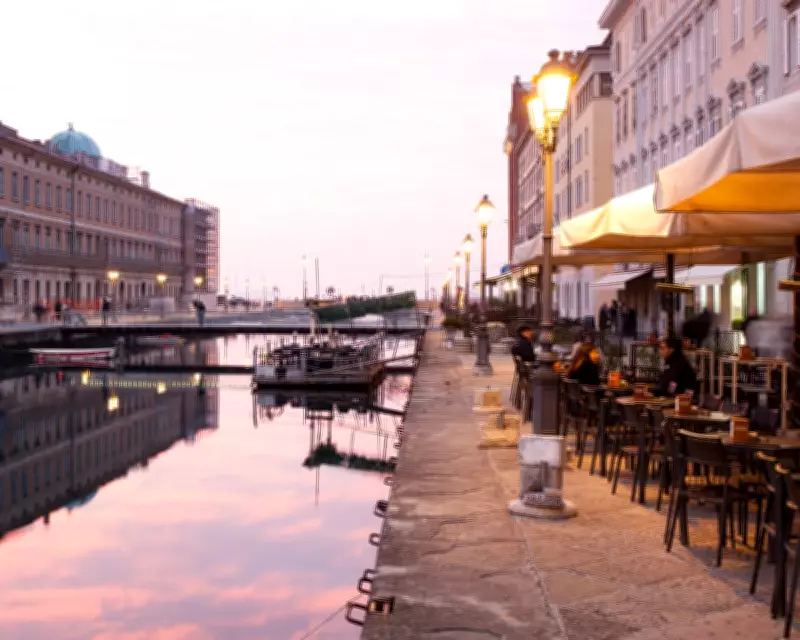
Trieste, often described as one of the most outward-looking and dynamic cities in Italy, boasts a rich tapestry of history, culture, and culinary excellence. Nestled on the Adriatic coast, this historic port serves as a cosmopolitan gateway to global flavours and traditions, yet it remains largely off the beaten tourist path. From its iconic Canal Grande to its bustling cafes, Trieste offers a unique blend of Italian and Austro-Hungarian influences that have shaped its identity over centuries.
A City Shaped by History and Geography
Trieste's unique geography, often likened to a stomach suspended between the sea and the Karst hills of Slovenia, has played a pivotal role in its development. Originally a coastal fishing village, it was colonised by the Romans, raided by the Venetians, and entrusted to the Habsburg monarchy for four centuries. This period marked a prolonged heyday, during which Trieste flourished as a free port declared by Charles VI in 1719. Later, it became part of the newly united Kingdom of Italy, experienced brief independence, and was finally handed back to Italy in 1954. Today, Trieste has digested and assimilated these complex historical layers, reflecting them in its architecture, dialect, music, literature, and multifaceted food culture.
The Heartbeat of Coffee Culture
Trieste's coffee culture is deeply rooted in its history as a free port. When Charles VI declared it a customs-free zone, coffee beans from Ethiopia and Yemen began arriving, leading to the establishment of aromatic roasting facilities and the emergence of cafes designed in the spirit of Viennese Kaffeehäuser. The 1850 railway connection to Vienna further cemented Trieste's role as a culturally magnetic city, attracting a cosmopolitan population. Historic cafes like Caffè Stella Polare, founded in 1865, still thrive today, serving coffee and strudel amidst literary connections to writers such as Italo Svevo and James Joyce. The port of Trieste continues to handle 50% of the coffee beans entering Italy, ensuring the city perpetually tastes of salt and smells of coffee.

Buffets and the Art of 'Femo un Rebechin'
A beloved tradition in Trieste is femo un rebechin, derived from the verb ribeccare, meaning to take another peck or bite. This practice dates back to the city's seaport days, when a burgeoning workforce needed substantial mid-morning snacks. Functional "buffets" served il bollito misto—boiled pork with potatoes, kraut, mustard, and freshly grated horseradish—a totem of Trieste. Buffets like Da Pepi, established in 1887, remain popular, offering pork rolls, soups, stews, and goulash. The habit of rebechin fills every gap, from a prosciutto roll and beer at 10am to wine and toast snacks in the evening.
Culinary Highlights and Must-Visit Spots
Trieste's food scene is a polyglot profusion of bars, bakeries, and restaurants. Key highlights include:

- Caffè Stella Polare: A historic cafe with a cherry wood bar and literary ghosts, ideal for a gocciato (espresso with foamed milk).
- Pagna: A contemporary bakery offering long-fermented breads and speciality coffee in a lofty Austro-Hungarian warehouse.
- Antica Trattoria Menarosti: Established in 1903, this trattoria serves daily catches from the Gulf of Trieste, including spider crab and fish risotto.
- Da Pepi: The oldest buffet, famous for its boiled pork cuts and horseradish.
- L’Approdo: A bustling spot for snacks like whipped saltcod on toast, perfect with a glass of wine.
- SET: A deli focusing on rare regional products, such as frico (cheese and potato cake).
- La Pasticceria Pirona: A historic pastry shop offering Austro-Hungarian treats like presnitz and strudel.
Beyond Food: Exploring Trieste
When not indulging in culinary delights, visitors can explore Trieste's cultural and natural attractions. Piazza Unità d’Italia, Europe's largest sea-facing square, offers stunning views and links the Borgo Teresiano quarter with the older town. The Revoltella Museum showcases 20th-century art, while Miramare Castle boasts imperial kitchens and grounds. Unique experiences include the Opicina tram, which reopened in 2025, and the Grotta Gigante, a visitable cave with stalagmites. The Barcolana regatta in October fills the gulf with sailing boats, creating a spectacular sight.
Practical Travel Tips
For those planning a visit, Ryanair and Lufthansa offer flights to Trieste, with train and ferry options available. Accommodations like Hotel L’Albero Nascosto provide art-filled rooms near Piazza Unità d’Italia. When ordering coffee, remember that an espresso is un nero, while a macchiato is un capo. Avoid confusion by ordering a gocciato for a well-proportioned coffee with milk. Trieste's blend of history, culture, and cuisine makes it a must-visit destination for travellers seeking an authentic Italian experience with a global twist.