Trinidad's Creative Community Fights to Keep Carnival Affordable Amid Rising Costs
Trinidad and Tobago effectively grinds to a halt for two days each year during its world-renowned carnival, often celebrated as "the greatest show on Earth." However, this iconic festival now faces significant challenges as escalating expenses threaten to price out a growing number of residents from participating in the vibrant cultural spectacle.
The Rising Cost Barrier
This year, premium party tickets have surged to nearly $700, while costumes from popular masquerade bands exceed $2,000. These steep prices have created a formidable barrier for many on the twin-island nation, where economic pressures are mounting. According to recent government data, unemployment climbed to 4.8% in the third quarter of 2025, up from 3.8% in the previous quarter. New taxes and increased fees introduced since April have further strained household budgets, leading to consumer price hikes and business closures.
Grassroots Initiatives for Accessibility
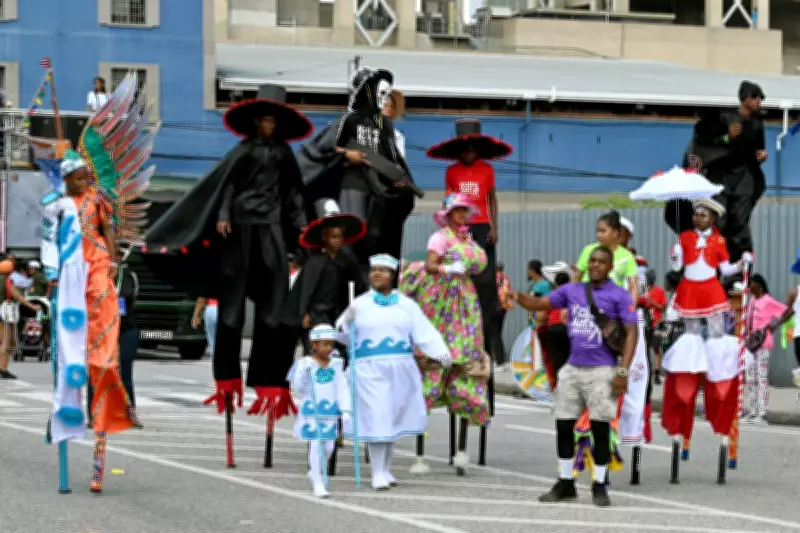
In response, Trinidad's creative community is rallying with innovative solutions to ensure carnival remains inclusive. Joshua Lamorelle, a dedicated teacher, visits impoverished neighbourhoods to offer free stilt-walking lessons. "It is giving the kids an opportunity to be a part of something that is very hard for them to afford," Lamorelle explained. Just days before schools and businesses closed for the massive street parade, he was providing final guidance to students like 11-year-old Kanye Simmons, who finds stilt-walking more engaging than video games. "I find it's very educational, and it's very fun," Simmons remarked.

His mother, Chrisann Clarke, expressed gratitude for Lamorelle's efforts to educate children about the country's culture and carnival history, especially since participation is typically costly. "It's actually great, because most parents are unable to afford it," she said.
Cultural Heritage and Economic Impact
Carnival in Trinidad and Tobago, celebrated on the two days preceding Ash Wednesday, dates back to the 18th century when French settlers introduced the festivities but prohibited African slaves from joining. By the 19th century, formerly enslaved Africans rebelled against British attempts to suppress the celebrations. Today, the festival has evolved into a major economic driver, employing thousands and generating millions in tourism revenue.
Creative Promotions and Free Events
Soca music star Kimba Sorzano has adopted a unique promotional strategy for his new carnival music. He offers free rides in his "maxi taxi" minibus, provided passengers listen to his songs throughout the journey. This initiative has gained such popularity that fast-food restaurants have partnered to provide complimentary breakfasts. "Some people got priced out of the carnival, but at the same time we are the carnival," Sorzano asserted, emphasising that the true spirit of carnival resides in the hearts of Trinidadians and Tobagonians.
Singer Patrice Roberts also contributed by organising a free soca concert in late January, attracting over 10,000 attendees. In a social media video, Roberts acknowledged the financial hardships many families face, stating, "This is for all the faithful fans, families and for anyone who still wants to feel the magic."
Community Support and Youth Engagement
Lamorelle has further invested in accessibility by forming a children's carnival masquerade band, covering most costs personally with some sponsor assistance. Based in Valencia, a small town in northeast Trinidad, his work has garnered strong community backing. Nakita De Verteuil, whose two children are part of the band, praised Lamorelle: "He's doing wonderful work in the community because he has the children more occupied than just loitering and doing nonsense."
Her 17-year-old son, Josiah De Verteuil, who portrayed a "midnight robber" on four-foot stilts, views Lamorelle as a mentor. "He is a very lovable person," Josiah said. "And to children, he is one of the best influencers." Lamorelle believes that making carnival and other cultural aspects more accessible enriches lives, stating, "Anything to make the youths better and have a better vision on culture is what I am going for."

As Trinidad and Tobago navigates economic challenges, these grassroots efforts highlight a resilient commitment to preserving the inclusive spirit of carnival, ensuring it remains a celebration for all, not just the affluent.