

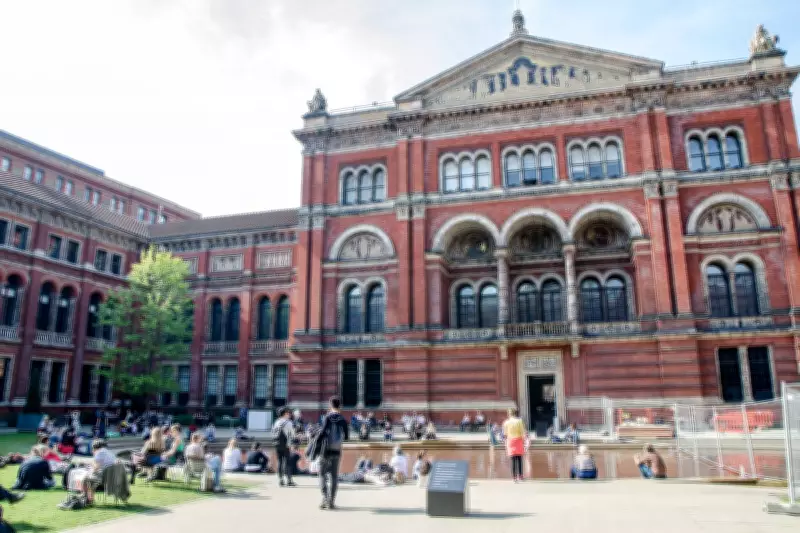
Museums across the United Kingdom are in dire need of a tourism tax to revitalise their struggling cultural institutions, according to V&A director Tristram Hunt. He argues that charging visitors more could provide a significant financial boost, but stresses that the revenue must be protected from being wasted on unrelated expenses like road repairs or council pension schemes.
The Global Trend of Tourism Taxes
From Toronto to Kyoto, and Barcelona to New York City, overnight hotel levies have become standard practice for tourists worldwide. As competition for international travellers intensifies and the pressures of mass tourism grow, funds from such a 'tourism tax' are increasingly seen as essential for supporting culture and infrastructure globally. Now, the UK appears poised to join this trend, with the government allowing local authorities to implement bed charges following successful pilots in cities like Edinburgh, Manchester, and Liverpool.
Debating the Details of the Levy
While the principle of a tourism tax is widely accepted, with no city reporting a decline in visitors after its introduction, the specifics spark debate. Key questions include whether the levy should be a flat rate, such as Lisbon's £3.50 per person per night, or a percentage of the hotel bill, like Amsterdam's 12.5 per cent. Other issues involve collection methods, spending discretion, and potential redistribution across the country.

Hunt proposes a progressive and equitable system with a 3 to 5 per cent levy on all accommodation types, possibly capped after five nights. He advocates for funds to be managed by regional 'metro' mayors and devolved authorities, rather than being absorbed into Whitehall, with a mandate to allocate receipts specifically to cultural and tourism projects.
The Unique Challenge for London's Free Museums
London faces a distinct situation in this discussion. Unlike counterparts in Berlin, Rome, or Los Angeles, major cultural institutions such as the Victoria and Albert Museum, Tate Britain, and the British Museum offer free entry. However, maintaining world-class galleries and exhibitions is becoming increasingly difficult due to declining public investment. Data shows that public arts funding in England and Wales dropped by 21 per cent from 2009/10 to 2020/21.
In contrast, Berlin, partly funded by a hotel levy, increased its cultural budget to €947 million for 2024, more than double England's entire culture fund. Hunt highlights that the UK is being significantly outspent by international peers, making the potential £250-300 million annual revenue from a tourism tax a crucial opportunity to rebalance support.
Allocating Funds for Growth and Sustainability
Hunt suggests that in London, 50 per cent of the levy funds should be earmarked for free-entry institutions, proportional to foreign visitor numbers. City Hall figures indicate that 73 per cent of international tourists cite the UK's cultural offerings as a primary reason for visiting, with free admission playing a key role. Beyond preservation, the levy presents a growth opportunity for Mayor Sadiq Khan to enhance creative industries, including events like London Fashion Week and the BAFTAs, which already contribute £125 billion annually to the economy.
He warns against diverting funds to unrelated areas such as pothole repairs or council pensions, emphasising the need for targeted spending. While redistribution across the UK must be considered to benefit national arts, Hunt urges swift action to implement the hotel tax, avoiding prolonged consultations that could delay transformative benefits for future generations.






