Winter Olympics Disrupt Livigno's Historic Duty-Free Economy
As the 2026 Winter Olympics unfold in northern Italy, the mountain village of Livigno, renowned for its centuries-old duty-free status, is experiencing an unexpected economic squeeze. While hotels and restaurants are thriving with Olympic visitors, local shopkeepers report significant declines in sales, challenging the short-term benefits of hosting the Games.
Paradoxical Impact on Main Street Businesses
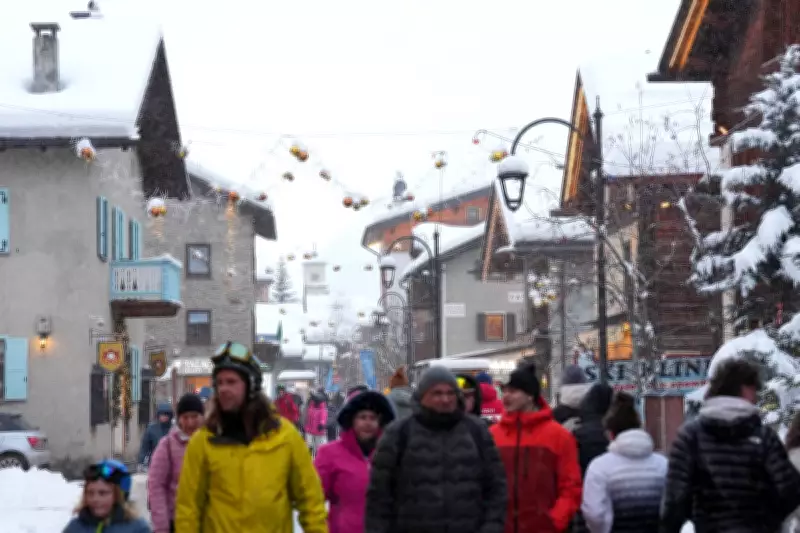
On Livigno's main street, the usual bustle of shoppers seeking tax-free deals has diminished during what is typically a peak season. Unlike other Olympic venues, the influx of athletes, fans, workers, and volunteers has crowded out traditional tourists who come for duty-free shopping. Olga Salari, owner of a toy store, noted a 70% drop in sales compared to an average February, stating, "Olympic visitors don't even visit the shops." This trend is echoed by other retailers, with electronics store owner Manuel Galli observing that tourists are more focused on competitions than shopping.
Historical Context and Current Restrictions
Livigno, nicknamed "Little Tibet" for its isolation, has enjoyed sales tax exemptions since medieval times, originally aiding its impoverished, remote community. With modern infrastructure, this status transformed into an economic boon, attracting skiers from across Europe to purchase goods like watches, cosmetics, and electronics without Italy's 22% sales tax. However, during the Olympics, access restrictions require visitors to have accreditation, accommodation, event tickets, or ski passes, limiting day-trippers who typically drive in for shopping sprees.

Broader Economic Outlook and Legacy Investments
Despite the immediate challenges, organizers remain optimistic about long-term gains. According to a report by Italy's Banca Ifis, the Games are expected to generate an overall economic impact of 5.3 billion euros, with 1.2 billion euros from tourist spending over the next 18 months. The Milan Cortina organizing committee has highlighted legacy investments, including upgrades to Livigno's electrical systems, health clinic, and rail services. Committee president Giovanni Malagò cited over 5 billion euros in benefits, emphasizing the potential for sustained tourism growth.
Contrasting Experiences in Other Venues
In contrast to Livigno, other mountain venues like Cortina d'Ampezzo and Bormio are seeing positive economic activity. Cortina's Vice Mayor Roberta Alverà reported a "significant influx of people" filling shops, hotels, and restaurants, while Bormio's historic center has been lively during Alpine ski events. This disparity underscores the unique challenges faced by duty-free enclaves during large-scale events.
Hope for Future Tourism and Global Exposure
Local officials and some shopkeepers are banking on the Olympics' global publicity to attract tourists from farther afield, such as the United States and Asia, in the coming years. Sergio Schena, a member of the organizing committee, likened the potential to Turin's post-2006 boost, expecting a shift in market demographics. Perfume shop owner Derio Claoti, despite a 70% sales hit, praised the "360-degree publicity" putting Livigno on the world map. Similarly, Damiano Longa of a luxury watch store expressed hope that the advertising payoff will justify current losses, trusting in the enduring appeal of the village's snow-covered slopes.
As the Games conclude, Livigno's community remains divided between immediate economic strain and the promise of future prosperity, highlighting the complex trade-offs inherent in hosting mega-events.