Australia Commits to Assistance as Strait of Hormuz Reopens Amid Fuel Price Relief
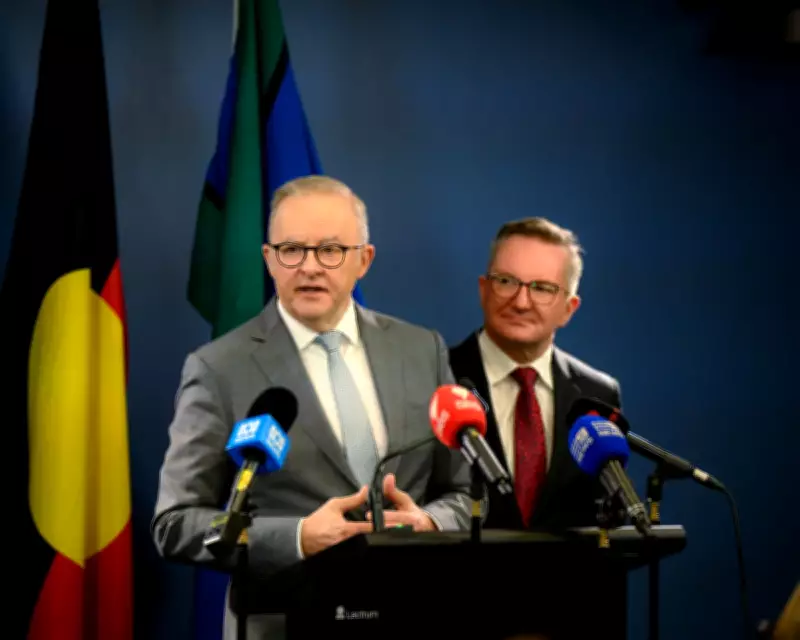
Prime Minister Anthony Albanese, alongside Climate Change and Energy Minister Chris Bowen, addressed the media in Sydney on Saturday, confirming Australia's preparedness to provide support following Iran's announcement to reopen the Strait of Hormuz. This key shipping route, crucial for global oil shipments, had been a focal point of international tensions, with its reopening expected to significantly impact fuel prices.
Global Oil Prices Plummet as Ceasefire Opens Vital Route
Global oil prices dropped approximately 10% early Saturday after Iran declared the Strait of Hormuz would remain open during a ceasefire with the United States and Israel. Prime Minister Albanese was participating in a meeting of 49 countries discussing the route's accessibility when the news broke. He emphasized, "Freedom of navigation is essential for global trade," while noting the arrangement remains fragile. "We want the strait of Hormuz to be fully reopened for all countries permanently," he added, with a further conference scheduled in London next week.
Fuel Reserves and Price Drops Offer Relief to Australians
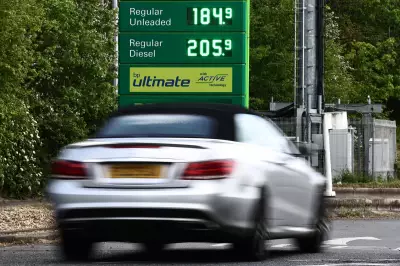
Minister Bowen revealed Australia now holds 46 days' worth of petrol reserves, an increase of 10 days since the US and Israeli bombing of Iran triggered the global fuel crisis. Since April 1, fuel prices at Australian pumps have fallen by about 10 cents per litre, beyond government interventions such as removing GST and halving the fuel excise. However, the full effect of global oil price reductions may take up to a week to reflect at retail levels, as Australia's benchmarks are tied to Singapore market prices, which resume trading on Monday.

- National average for unleaded petrol has dropped 50 cents since April 1.
- Diesel prices have fallen 37 cents in the past week, with further declines anticipated.
- Independent retailers are expected to pass on savings faster than major chains.
Refinery Fire and Supply Concerns Addressed
A recent fire at the Viva refinery in Geelong raised concerns about fuel supply disruptions, but Bowen assured that production has reached 80% capacity for diesel and jet fuel, and 60% for petrol. NRMA spokesperson Peter Khoury stated the incident is unlikely to affect retail prices, as they are determined globally. Nationwide, only 1.5% of service stations are without diesel, and fewer lack petrol, with New South Wales experiencing the most acute shortages at 2% for diesel and 0.5% for petrol.
Government Measures and International Agreements
The federal government's three-month measures, including halving the fuel excise and pausing GST on fuels, equate to savings of about 32 cents per litre, according to the Australian Competition and Consumer Commission. In a weekly report, the ACCC noted average retail petrol prices have fallen 41.6 cents per litre since March 31 across major cities. Additionally, Foreign Minister Penny Wong and Trade Minister Don Farrell signed a supply agreement with Singapore for diesel, petrol, and LNG, bolstering Australia's energy security.
As the situation evolves, Australians can expect continued fuel price relief, contingent on a permanent ceasefire and stable reopening of the Strait of Hormuz.