Australia Sends Farming Delegation to China Amid Fertiliser Export Ban Crisis
Australia has dispatched key representatives from its farming industry to China following the sudden suspension of crucial fertiliser shipments that are integral to the nation's food production. The move comes as Beijing halted exports of urea and urea-ammonium nitrate (UAN) in March, citing the need to protect its domestic market and food supply, according to Reuters reports.
Critical Dependence on Chinese Fertiliser Exports
China stands as one of the world's largest exporters of urea and UAN, having shipped over $13 billion worth of these vital minerals last year alone. These nutrients are essential for Australian farmers to enhance plant growth and significantly boost crop yields. The abrupt absence of such fertilisers could have severe repercussions for Australia's agricultural output and food security.
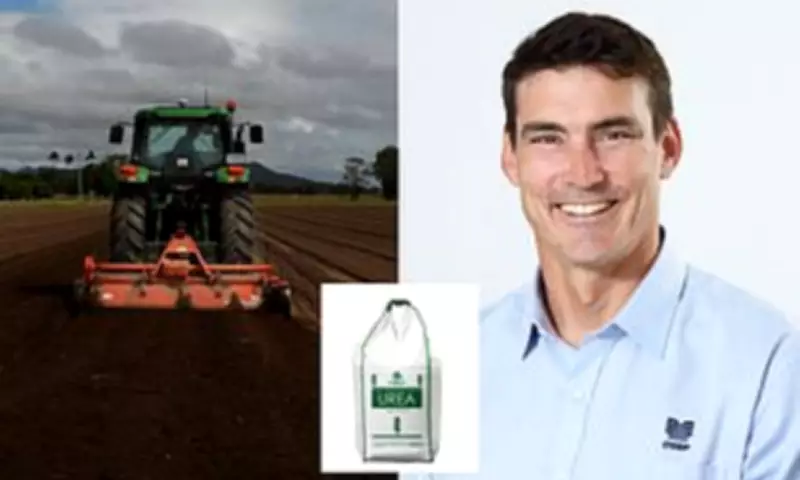
Perth-based conglomerate Wesfarmers has taken direct action, sending representatives from its chemical manufacturing subsidiary CSBP to China. CSBP general manager Ryan Lamp emphasized the seriousness of the situation, stating that Australian farmers demand answers from Chinese suppliers regarding their obligations and mitigation strategies.

Direct Engagement with Chinese Producers
"We haven't let them off the hook," Lamp told The Australian. "We expect them to explain what mitigating factors they're taking to meet their obligations and provide clarity on these actions. We have sent two people to China over recent weeks to speak directly with producers and suppliers, to understand at what government levels these bans are being imposed and when they might be reviewed."
The delegation aims to determine the precise governmental levels implementing the export restrictions and seek clarity on potential review timelines for the ban. Lamp confirmed they are collaborating with industry bodies and the federal government to restore access to Chinese fertilisers and improve overall supply chain resilience.
Exploring Alternative Supply Sources
Wesfarmers has revealed it is actively seeking urea and UAN supplies from alternative markets, including the United States, Europe, and Egypt. More controversially, the conglomerate and other farming sector players have reportedly considered importing ammonium nitrate from Russia, though this would require the Australian federal government to relax existing trade restrictions.
Compounding Global Supply Chain Challenges
The fertiliser crisis has been exacerbated by ongoing Middle East conflicts that have effectively closed the Strait of Hormuz, a critical global shipping passageway for oil and fertiliser shipments. Fertilizer Australia reports that over 60% of urea blends imported to Australia typically travel through this strategic waterway.
"We are aware there are shipments stranded and cancellations of future shipments in the Persian Gulf," said Fertilizer Australia CEO Stephen Annells on March 25. "Member companies are actively seeking increased quantities of urea from other manufacturing regions and sourcing alternative nitrogen products. We cannot guarantee these efforts will fully meet farmers' needs in the medium term."
Government Considerations and Safety Concerns
In response to the shortages, Canberra is reportedly considering temporarily pausing a ban on the sale of explosive ammonium nitrate to farmers for use as fertiliser. The Council of Australian Governments implemented strict regulations on ammonium nitrate in 2005 due to its common use in homemade bombs. Farmers currently using this fertiliser must comply with rigorous rules governing its purchase, transport, storage, and application.
Fertilizer Australia has recommended farmers plan ahead for 90 to 120 days to secure nitrogen fertilisers, highlighting the uncertain circumstances surrounding global supply chains. "Farmers need to be having conversations now with their local suppliers about what might be available for in-crop nitrogen application," Annells advised.
The situation raises fundamental questions about Australia's agricultural supply chain security and its dependence on international markets for crucial farming inputs.