US Businesses Begin Claiming Billions in Refunds for Unconstitutional Trump Tariffs
A landmark system enabling businesses to reclaim tariffs imposed by former President Donald Trump, which were subsequently declared unconstitutional by the US Supreme Court, officially commenced operations on Monday. According to US Customs and Border Protection, the agency overseeing the initiative, importers and their brokers can now submit claims through a dedicated online portal starting at 8 a.m. This launch represents the initial stage of a multifaceted procedure that may eventually extend refunds to consumers who bore the brunt of these import taxes on goods sourced from outside the United States.
The Supreme Court's Decisive Ruling and Its Aftermath
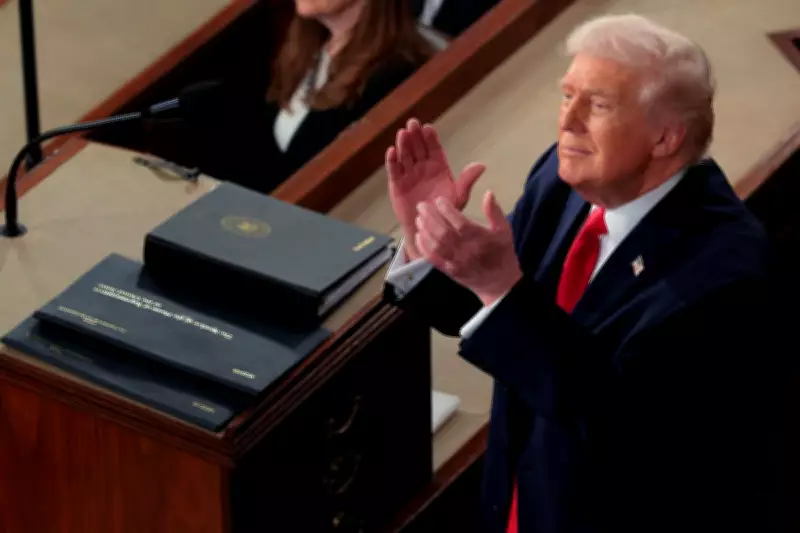
In a pivotal 6-3 decision on February 20, the Supreme Court determined that Mr. Trump had overstepped congressional authority on tax-setting last April. He had established new import tax rates on products from nearly all other countries, justifying the move by citing the US trade deficit as a national emergency under the 1977 International Emergency Economic Powers Act. Although the court's majority opinion did not explicitly address refunds, a judge at the US Court of International Trade ruled last month that companies subjected to these tariffs were entitled to reimbursement.
Customs and Border Protection disclosed in court filings that more than 330,000 importers paid approximately $166 billion across over 53 million shipments. However, not all these transactions qualify for the first phase of the refund system, which is restricted to cases where tariffs were estimated but not finalized or within 80 days of receiving a final accounting. To be eligible for refunds, importers must register for CBP's electronic payment system. As of April 14, 56,497 importers had completed registration, making them eligible for refunds totaling $127 billion, including accrued interest.

Navigating the Complex Refund Process
Companies are required to submit detailed declarations outlining the goods on which they paid billions in import taxes, now invalidated by the court. If CBP approves a claim, refunds are expected to be issued within 60 to 90 days. The government plans to process refunds in phases, initially concentrating on more recent tariff payments. Various technical factors and procedural issues could delay an importer's application, meaning any reimbursements businesses intend to pass on to customers are likely to materialize gradually.
Meghann Supino, a partner at Ice Miller, advised clients to meticulously list all document numbers for forms submitted to CBP describing imported goods and their values. "If there is an entry on that file that does not qualify, it may cause the entire entry to be rejected or that line item might be rejected by Customs," she cautioned. Supino anticipates potential hiccups with the portal's launch, urging patience. "Like any electronic online program that goes live with a lot of interest, I would expect that there might be some hiccups with the program on Monday," she noted. "So we continue to ask everyone to be patient, because we think that patience will pay off."
Nghi Huynh, partner-in-charge of transfer pricing at Armanino, emphasized the importance of accuracy and organization. "It's about having a clear process in place and keeping track of what's been submitted and what's been paid, so nothing falls through the cracks," she explained. "Each file can include thousands of entries, but accuracy is critical, as submissions can be rejected if formatting or data is incorrect."
Small Businesses Eagerly Await Relief
Small enterprises have been particularly anxious to apply for refunds. Brad Jackson, co-founder of After Action Cigars in Rochester, Minnesota, began compiling records and preparing to input information as soon as CBP announced the launch date. His company imports cigars and accessories from Nicaragua and the Dominican Republic, paying $34,000 in tariffs last year and absorbing much of the cost rather than raising prices for customers.

Jackson expressed concerns about turnaround times, stating, "My main concern is the turnaround time. A refund process that takes several months to complete doesn't solve the cash flow problem that it is supposed to fix." He is being extra cautious with refund documents after experiencing a two-week shipment delay last spring due to a missing document.
Will Consumers Ultimately Benefit from Refunds?
Tariffs are paid by importers, and some companies have passed these tax costs to consumers through higher prices. The system launching Monday will refund tariffs directly to the businesses that paid them, with no obligation to share proceeds with customers. However, class-action lawsuits aiming to compel companies—from Costco to Ray-Ban maker Essilor Luxottica—to reimburse shoppers are progressing through the US legal system.
Individuals may be more likely to receive refunds from delivery companies like FedEx and UPS, which collected tariffs on imports directly from consumers. FedEx has committed to returning tariff refunds to customers upon receipt from CBP. "Supporting our customers as they navigate regulatory changes remains our top priority," FedEx stated. "We are working with our customers as CBP begins processing refunds and plan to begin filing claims on April 20."