Trade between China and North Korea has experienced a substantial surge in the opening months of 2026, according to the latest customs data. This increase reflects a notable strengthening of bilateral relations, following a period of uncertainty prompted by Pyongyang's deepening connections with Moscow.
Significant Growth in Bilateral Trade
China's General Administration of Customs reported that two-way trade reached $418.7 million in January and February 2026, marking a robust 22 per cent increase compared to the same period last year. To account for the disruptive effects of the Lunar New Year holiday, data for these two months is typically combined, providing a more accurate picture of trade trends.
Exports and Imports Show Strong Performance
China's exports to North Korea rose by 19 per cent to $329.5 million during this period. The leading export category remained human hair for wig manufacturing, valued at $24.3 million, although this represented a 26 per cent decline from the previous year. Soybean oil exports, the second-largest category, saw a 19 per cent increase. Other significant exports included footwear and frozen whole ducks, highlighting the diverse nature of trade flows.

On the import side, China's purchases from North Korea jumped to $89.2 million, up from $65 million a year earlier. Wigs and hair products continued to dominate import shipments, totalling $30.26 million, a decrease of 9 per cent. Notably, shipments of tungsten ores surged to become the second-largest import category, reaching $15.4 million, a substantial rise from just $3.29 million in January-February 2025.
Recovery to Pre-Pandemic Levels
This growth builds on a significant rebound in 2025, when China-North Korea trade returned to pre-Covid levels. Full-year trade volumes in 2025 reached $2.73 billion, nearly matching the $2.79 billion recorded in 2019, before pandemic-era border restrictions severely curtailed bilateral shipments. China remains North Korea's largest trading partner, and this economic relationship has been crucial in supporting Pyongyang's sanctions-hit economy.
Diplomatic Thaw and Transport Resumption
The warming of relations follows a period of strain, largely due to North Korea's deepening ties with Russia. Pyongyang has supplied troops and weapons to Moscow in exchange for fuel and food supplies, which are otherwise restricted by international sanctions. This dynamic had raised questions about the future of North Korea's relationship with Beijing.
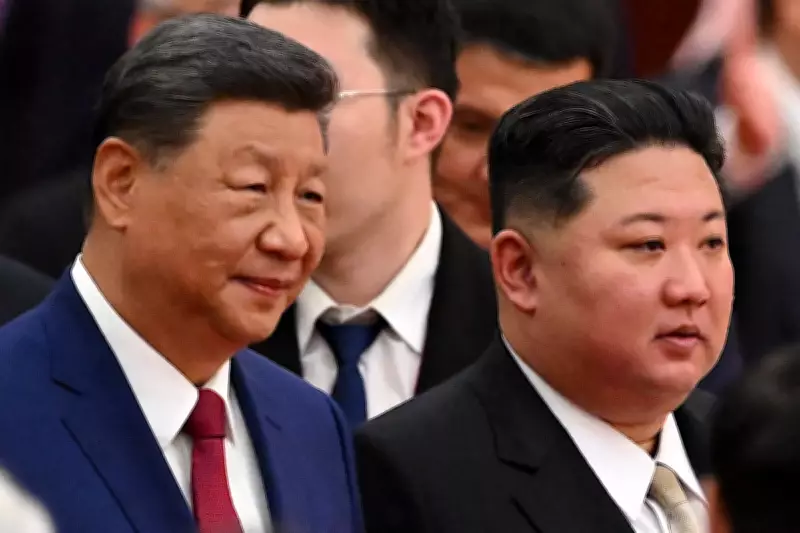
However, a diplomatic thaw was signalled by the meeting between President Xi Jinping and Kim Jong Un in September 2025, their first encounter in six years. This rapprochement has led to tangible improvements in connectivity. The inter-capital train service between the two countries resumed on 12 March 2026, after being halted since the onset of the COVID-19 pandemic in 2020. Additionally, Air China announced plans to restart flights to North Korea from 30 March, further re-establishing vital transport links between the largely isolated nation and its principal economic ally.
The resumption of these connections underscores the renewed commitment to bilateral cooperation, facilitating not only trade but also passenger movement after nearly six years of interruption. As tensions ease and infrastructure is restored, the economic partnership between China and North Korea appears poised for continued growth, balancing geopolitical complexities with pragmatic economic interests.