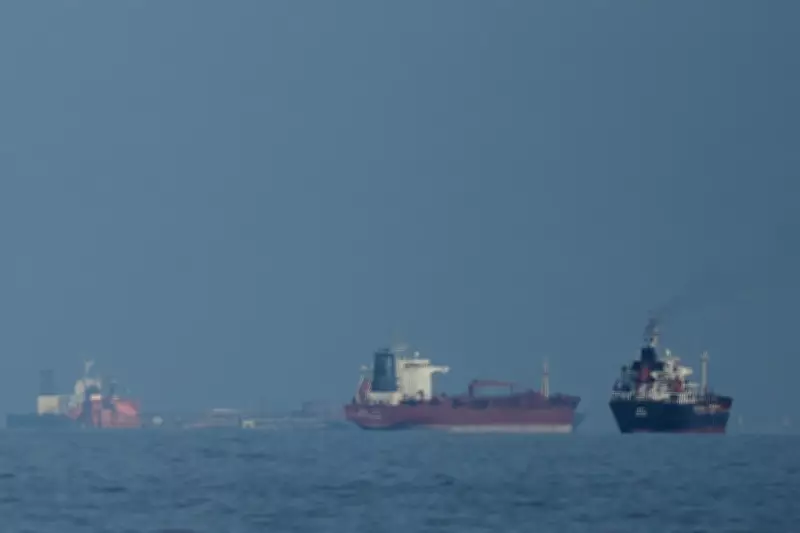
A shipping firm has reportedly paid Iran $2 million to secure the safe passage of one of its vessels through the strategically vital Strait of Hormuz, according to intelligence reports. This payment comes as Tehran moves towards a "selective" blockade of the waterway, which is a critical global oil transit route.
Selective Blockade and International Negotiations
Lloyd's List has indicated that Iran is considering allowing passage for ships not aligned with the United States or Israel, potentially creating a rift between Washington and other nations. Countries including India, Pakistan, Iraq, Malaysia, and China—those hardest hit by the ongoing oil blockade—are understood to be in direct negotiations with the Islamic Republic to secure de-facto safe transit for their tankers.
New Vetting System and Financial Transactions
This development is part of a new vetting and registration system managed by Iran's Islamic Revolutionary Guard Corps (IRGC). So far, at least nine vessels have passed through Iranian territorial waters under this arrangement. One vessel, a Liberia-flagged tanker named Shenlong Suezmax carrying crude oil from Saudi Arabia, is reported to have paid £1.5 million (approximately $2 million) in exchange for safe passage. However, it remains unclear how the transaction was conducted given the extensive international sanctions against Iran.

Impact on Shipping Routes and Global Markets
Before the conflict began on 28 February, vessels transited freely through the strait, but many are now being rerouted to a narrow corridor near Iran's Larak Island. Dimitris Maniatis, CEO of shipping security provider Marisks, stated, "There are efforts underway involving government and industry to establish a procedure for vessels not affiliated with Israel or the US to receive confirmation of safe passage through the Straits of Hormuz. Currently, this is still being considered on a case-by-case basis."
Matthew Wright, a freight analyst at Kpler, described this as Iran's "widening strategy," noting, "The amount of control Iran has over the waterway is significant. They are selectively managing oil flows, primarily for friendly Asian partners, but expanding this trend broadly could undermine their ability to pressure oil prices."
Escalating Tensions and Economic Repercussions
Iran's foreign minister, Abbas Aragchi, recently declared that the strait is "open, but closed to our enemies," following multiple drone and missile attacks on commercial vessels off the Iranian coast. Amid intensifying violence, traffic through the shipping route has plunged by 95% over the past three weeks, causing major disruptions to global energy markets. Approximately 20% of the world's oil transits through the Strait of Hormuz, which links the Persian Gulf to the Gulf of Oman and the Arabian Sea.
Potential US Military Response
The strategic importance of the strait has prompted discussions in the Trump administration about potential military actions, such as occupying or blockading Iran's Kharg Island to pressure the country to reopen the waterway. According to reports from Axios, such an operation would only be launched after further degrading Iran's military capacity and potentially deploying more troops to the region.
This situation highlights the growing geopolitical tensions and the complex negotiations underway as nations seek to navigate the challenges posed by Iran's selective blockade in one of the world's most crucial maritime corridors.