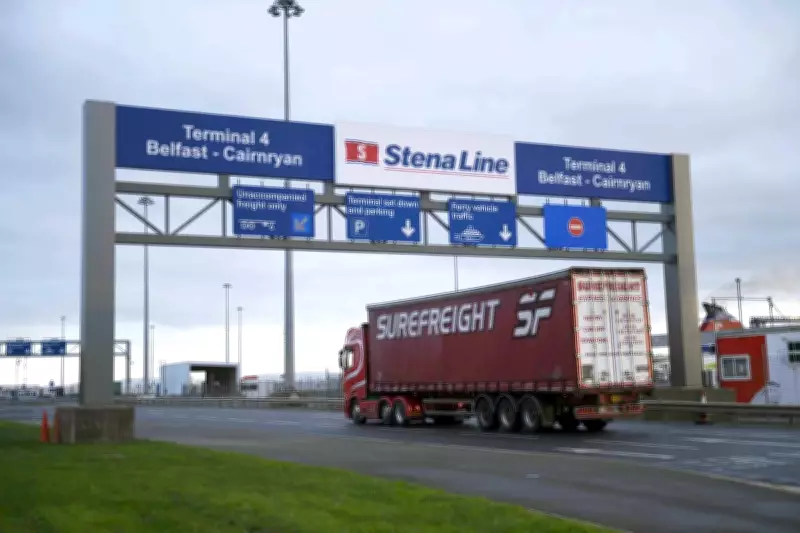
Haulage Industry Crisis Deepens as Insolvencies Soar Post-Brexit
Exclusive government data has exposed a dramatic surge in haulage company failures since Brexit, with numbers nearly doubling in the past five years. This alarming trend is stoking significant concerns over potential supply chain disruptions and escalating food prices across the United Kingdom.
Parliamentary Data Reveals Sharp Increase
Figures released in response to a Parliamentary question from Liberal Democrat Europe spokesperson Al Pinkerton MP show that 2,051 haulage firms entered insolvency between 2021 and 2025. This represents a staggering increase, almost double the 1,068 companies that collapsed in the five-year period preceding Brexit. The data underscores the severe pressures facing the logistics sector in the wake of the UK's departure from the European Union.
Perfect Storm of Challenges
The crisis is compounded by multiple converging factors. Industry experts warn that the situation is likely to deteriorate further with the full implementation of the EU's Entry-Exit System (EES). This new border regime, requiring biometric registration for UK travellers entering the Schengen area, is expected to impose additional burdens on hauliers.

The Road Haulage Association has issued a dire warning, indicating that approximately 80 percent of operators anticipate a decline in business due to these new requirements. Previous analyses by industry bodies suggest the economic impact of the EES system could reach as high as £400 million.
Political Calls for Action
Liberal Democrat Europe Spokesperson Al Pinkerton MP has issued an urgent appeal to the government. "The government must immediately secure an agreement with the EU to allow British hauliers to register biometric details away from the border," Pinkerton stated. "Failure to do so will have a catastrophic impact, not only for haulage companies who are unable to survive, but also for supply chains and a subsequent increase in food and goods prices for those already facing the effects of the soaring cost of living."
Pinkerton further advocated for negotiations toward a Customs Union with European partners, describing it as "the single biggest lever the government can pull to boost business, deliver growth, and slash unnecessary Brexit bureaucracy."
Broader Economic Pressures
The haulage industry's struggles occur against a backdrop of wider economic uncertainty. A recent Bank of England survey of UK finance leaders revealed expectations of accelerated price increases, with firms planning to raise prices by 3.5 percent over the coming year. This forecast, linked partly to surging energy prices amid international tensions, marks a slight increase from previous predictions.
Prime Minister Sir Keir Starmer has acknowledged the "volatile" international situation, suggesting that Britain's long-term interests necessitate closer partnership with European allies. However, the government maintains its manifesto commitments, ruling out rejoining the single market, establishing a customs union, or restoring freedom of movement.
Looking Ahead
UK and EU negotiators are scheduled to convene this summer to discuss potential cooperation in several areas, including food standards, emissions, and a youth mobility scheme. The outcome of these talks could prove crucial for the beleaguered haulage sector and the broader UK economy.
As the industry grapples with post-Brexit adjustments, new border systems, and global economic headwinds, the doubling of haulage insolvencies serves as a stark indicator of the challenges facing British logistics and the potential ripple effects on consumer wallets nationwide.