Iran's Strait of Hormuz Closure Triggers Global Oil Market Turmoil
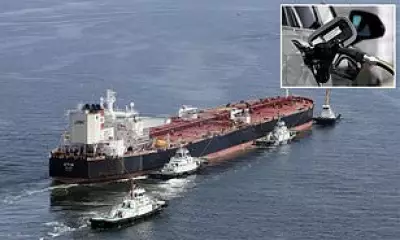
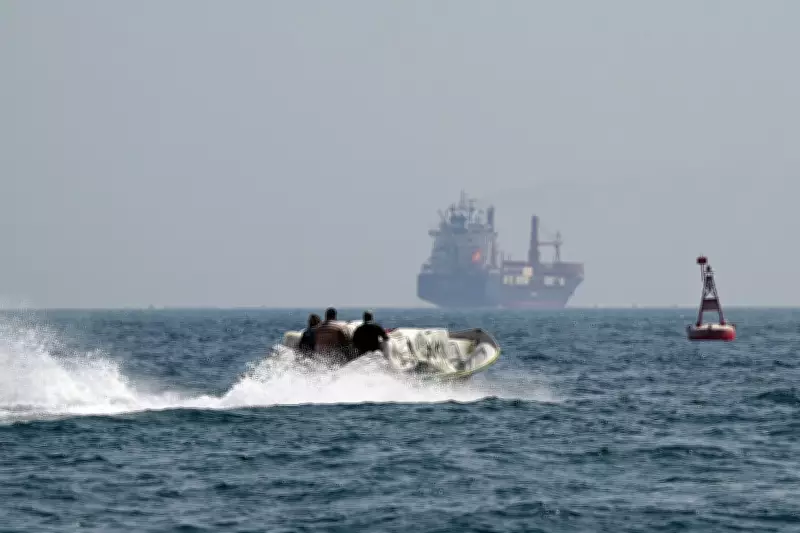
Iran has issued a severe new threat by declaring the Strait of Hormuz closed, warning that any ships attempting passage will face attack. This dramatic move has brought tanker traffic to a complete standstill, with multiple laden oil and clean tankers stranded in or near the Mideast Gulf, unable to navigate the now-blocked waterway.
Critical Waterway Disruption Sends Shockwaves Through Global Economy
The Strait of Hormuz is a vital global maritime chokepoint, through which approximately one-fifth of the world's oil supply flows, primarily destined for Asian markets. The immediate impact has been a sharp spike in oil prices, as the closure disrupts a key artery for energy exports. Experts caution that if this situation persists, crude oil prices could skyrocket to well into triple digits, reminiscent of past crises, while European natural gas prices might surge to levels last seen during the 2022 energy crisis.
Major Shipping Companies Halt Operations Amid Security Concerns
In response to the heightened threat, leading global shipping firms, including Maersk, Hapag-Lloyd, and MSC, have announced the suspension of all vessel crossings through the strait. This decision underscores the severe security risks and operational challenges posed by Iran's aggressive stance. The stranded tankers represent a significant logistical and economic bottleneck, exacerbating supply chain tensions and raising fears of prolonged market instability.

The closure not only threatens immediate economic repercussions but also highlights the geopolitical fragility of global energy routes. As tensions escalate, the international community watches closely, with analysts predicting that a protracted closure could lead to sustained high energy costs and broader economic strain worldwide.