Iran War Supply Chain Crisis: UK Faces Fuel, Food and Drug Shortages
The escalating military conflict in Iran has triggered a severe global supply chain crisis, with Britain now facing the imminent threat of critical shortages in fuel, food, and essential medicines. While recent blockades of the Strait of Hormuz may have been temporarily lifted, the profound disruption to maritime traffic in the Persian Gulf has already set in motion a chain of events that could severely impact British consumers and industries within a matter of weeks.
Global Supply Chain Vulnerability Exposed
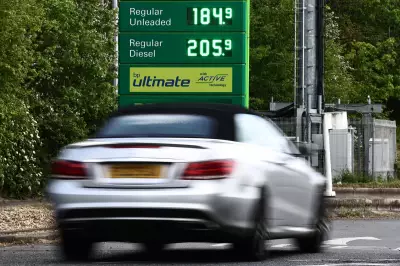
The world is witnessing yet another stark demonstration of the fragility of globalised supply networks, a vulnerability previously highlighted during the Covid-19 pandemic and following Russia's full-scale invasion of Ukraine. The current crisis stems from two major blockades around the Persian Gulf that have severely disrupted the flow of oil and natural gas. These disruptions are already being felt through market mechanisms, with diesel and heating oil supplies being rationed by price, effectively limiting access based on purchasing power.
The situation becomes critically dangerous when essential commodities become so scarce that they are practically unobtainable at any price. Stephen Miller's warning that US blockades of Iranian ports could continue "indefinitely" unless Iran reaches a deal with the Trump administration underscores the potential longevity of this crisis.

What Supplies Are Most at Risk?
The impact extends far beyond petroleum products themselves. Numerous essential chemicals originating in the Gulf region or requiring hydrocarbons for manufacturing are now in dangerously short supply:
- Food Production: Cereal and animal feed production faces disruption due to urea shortages for fertiliser manufacturing
- Food Products: Finished goods including chicken, pork, and prepared salads will be affected by interrupted carbon dioxide supplies
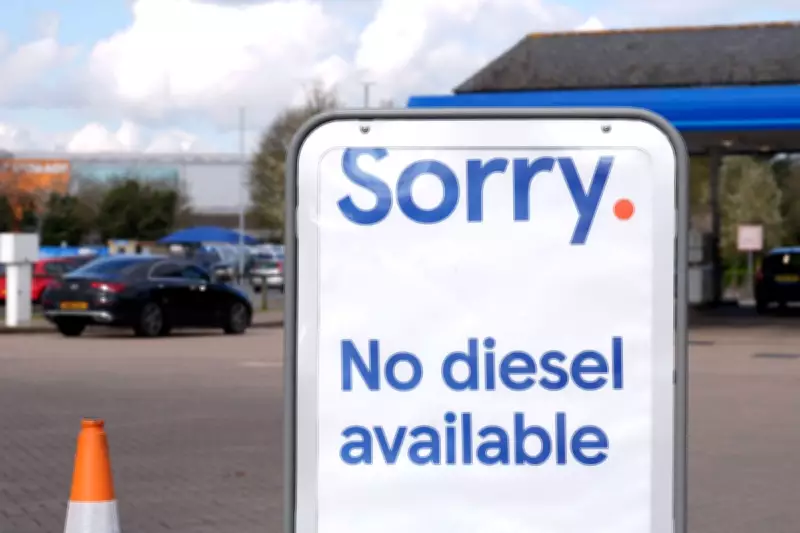
- Transportation: Most heavy road haulage depends on diesel - if supplies run out, deliveries of virtually all goods could cease
- Healthcare: Pharmaceutical shortages ranging from painkillers to cancer treatments could intensify, while helium for hospital scanners faces potential depletion
Even if complete supply collapse is avoided, significantly higher costs across all these sectors appear inevitable. A near-total absence of certain key items would have calamitous effects on British society and the economy.
Government Planning and Preparedness
In the category of "known unknowns" are the preparations being made by government officials as the Iran conflict threatens to drag on indefinitely. Ministers recognise that supplies of various key goods could dry up and that strategic stockpiling is essential. However, significant uncertainties remain regarding:
- Which specific items require priority securing
- How to achieve supply security now that blockades are operational
- How long contingency measures need to be maintained
The government faces mounting pressure to reveal its contingency plans for managing the coming shortages. Effective crisis management would require mobilising the full machinery of government, liaising closely with industry leaders, utilising armed forces logistical expertise, and ensuring essential services receive adequate supplies.
Timeline of Impact on Britain
The crisis is unfolding at different paces across global regions. East Asia and Australasia have been affected first due to their greater reliance on Gulf supplies traversing the Indian Ocean. In Europe, reports indicate only about one month's worth of jet fuel availability remains, creating severe challenges for airlines, holidaymakers, and the haulage industry.
For Britain specifically, intelligence suggests diesel and jet fuel stocks could reach critical levels within approximately three weeks, though petrol supplies remain more readily available. Food item shortages may begin manifesting over the summer months, while medicine shortages could intensify in coming weeks. Medical distributors typically maintain six to eight weeks' worth of drug supplies, with hospital suppliers in England required to hold eight weeks' worth.

Furthermore, supplies from China and East Asia - ranging from children's toys to electric vehicles and smartphones - will face significant delays and cost increases if shipping must reroute around the Cape of Good Hope due to Iranian and Houthi rebel actions closing Red Sea access to the Suez Canal.
Political Consequences and Public Response
Fairly or unfairly, the government will likely bear public blame for any severe supply disruptions. The situation could deteriorate rapidly if panic buying or fuel protests - similar to recent events in Ireland - exacerbate an already difficult scenario. Given the NHS fiasco during the pandemic's early stages, there will be little public patience for ministers claiming they couldn't foresee these developments.
The lack of transparency regarding contingency planning raises serious accountability concerns across multiple dimensions. Prime Minister Keir Starmer campaigned on competence during the last election - images of food-laden lorries stranded without diesel would starkly contradict that promised ideal. The coming weeks will test both governmental preparedness and public resilience as Britain navigates this unprecedented supply chain crisis.