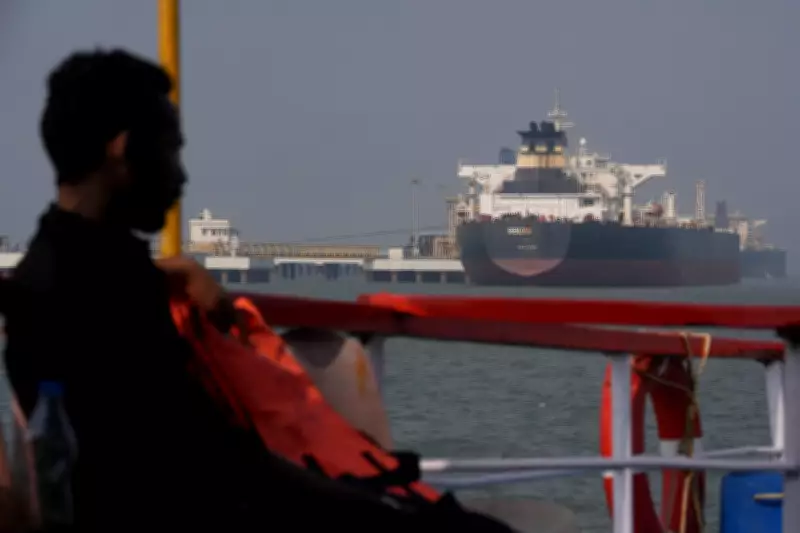
Maritime Traffic Through Strait of Hormuz Dwindles as Iran Asserts Control
Since the outbreak of hostilities with Iran in early March, maritime activity through the strategically vital Strait of Hormuz has experienced a dramatic reduction. This narrow waterway, responsible for transporting approximately one-fifth of the world's crude oil supply, has seen most commercial shipping halted. However, data reveals that around 90 ships, including a significant number of oil tankers, have successfully transited the strait during this period of heightened tension.
Iran's Continued Oil Exports Defy Western Sanctions
Despite the broader shipping standstill, Iran has managed to sustain its oil export operations. According to estimates from the trade data and analytics platform Kpler, Iran has exported well over 16 million barrels of oil since March began. China has emerged as the primary purchaser of this Iranian crude, capitalising on the opportunities presented by Western sanctions and the associated geopolitical risks. Analysts note a "continued resilience" in Iran's export volumes, allowing the nation to profit from sales while preserving a critical economic artery.
Maritime intelligence indicates that many of the vessels navigating the strait are involved in so-called "dark" transits, deliberately evading Western governmental oversight. These operations are believed to have strong connections to Iranian interests. More recently, ships affiliated with nations such as India and Pakistan have also completed passages, coinciding with intensified diplomatic negotiations between governments.

Diplomatic Interventions and Selective Access
The limited maritime traffic suggests Iran is exercising selective control over the strait. Richard Meade, editor-in-chief of Lloyd’s List, posits that vessels are likely transiting "with at least some level of diplomatic intervention." This has potentially led to the creation of a "safe corridor" for certain ships, particularly those passing near the Iranian coastline.
Specific instances include the passage of the Pakistan-flagged crude oil tanker Karachi and two Indian-flagged liquefied petroleum gas carriers, the Shivalik and Nanda Devi. Indian Foreign Minister Subrahmanyam Jaishankar confirmed that diplomatic talks with Iran facilitated the movement of the Indian vessels. Similarly, Iraq has engaged in discussions to secure passage for its oil tankers through the contested waterway.
Global Oil Market Impact and Strategic Calculations
The conflict has triggered significant volatility in global energy markets, with oil prices surging more than 40 percent to exceed $100 per barrel. Iran has issued threats to block oil shipments destined for the United States, Israel, and their allies. In response, the U.S. has stated it is permitting Iranian oil tankers to cross the strait in an effort to stabilise prices and supply other global markets.
U.S. military actions have targeted sites on Kharg Island, a hub for Iran's oil network, though President Donald Trump indicated that oil infrastructure itself has been spared for the time being. Analysts from Dutch bank ING warn that if Iran's strategy is to inflict economic pain through elevated energy prices, the number of tankers it permits through the strait may remain severely restricted.
Consultant Kun Cao summarises the situation, noting the strait is not entirely closed but is "closed selectively against some traffic, while still functioning for Iranian exports and a narrow set of tolerated non-Iranian movements." This nuanced control underscores the complex geopolitical and economic dynamics at play in one of the world's most critical maritime chokepoints.