Paraguay Finalises South American Approval of Historic EU-Mercosur Trade Deal
Paraguay has officially ratified the landmark free trade agreement between Mercosur and the European Union, becoming the final South American country to approve the deal. This move completes the South American side of the process, establishing one of the world's largest free trade zones, encompassing over 700 million people and representing 25% of global GDP.
Unanimous Parliamentary Support in Paraguay
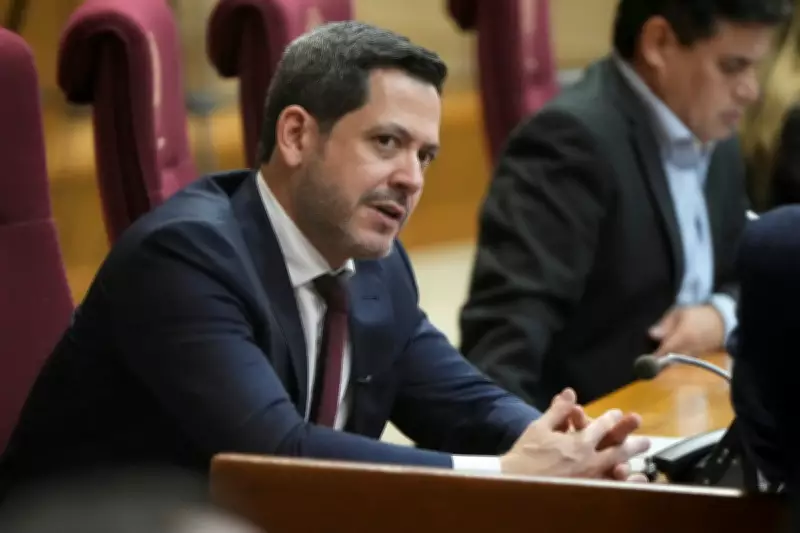
On Tuesday, the Paraguayan Chamber of Deputies unanimously approved the agreement with all 58 deputies present voting in favour, following the Senate's endorsement nearly two weeks earlier. The deal now awaits President Santiago Peña's signature to be fully enacted. Deputy Rodrigo Gamarra, from the ruling Colorado Party and president of the Mercosur Parliament, hailed it as a historic agreement for Paraguay, the region, and the world, noting it creates possibly the largest market globally.
Long Negotiations and Regional Ratifications
The agreement has been under negotiation for a quarter-century. Uruguay was the first South American nation to ratify it in late February, with Argentina following the same day through large majorities in both legislative houses. Brazil, Mercosur's largest economy, ratified it unanimously in early March after approval from its lower house. Bolivia, the newest Mercosur member, did not participate in negotiations but will be able to join in the coming years.

Provisional EU Ratification and Legal Challenges
The European Commission has stated it will provisionally ratify the deal, allowing it to take effect even as a legal challenge by European lawmakers proceeds through the European Court of Justice. Legislative bodies across the EU's 27 nations do not need to individually ratify it, but the European Parliament will vote again if the court case concludes the agreement does not breach EU treaties. Opposition in Europe has been led by France, left-wing groups, and farmers' unions, who argue it could destabilise the agricultural sector.
Global Significance and Political Context
European Commission President Ursula von der Leyen, alongside Brazilian President Luiz Inácio Lula da Silva, has been a key driver behind the agreement, praising it as one of the most significant trade deals of the first half of this century. She emphasised that Mercosur embodies Europe's global operational spirit, strengthening independence. The treaty emerges amid political fragmentation and economic shifts, with European nations facing security challenges and tensions with the United States.
During the nine-hour parliamentary session in Paraguay, deputies highlighted the opportunities for both blocs. Deputy Juanma Añazco called it a bridge to full integration, while Deputy Alejandro Aguilera noted the years of negotiations and reluctance overcome. Opposition sectors also expressed support, with independent Deputy Raúl Benítez advocating for multilateralism over isolation.