Russian Billionaire Warns Ukrainian Drone Strikes Crippling Vital Fertiliser Industry
Ukrainian drone attacks are having a significant and damaging impact on Russia's crucial nitrogen fertiliser industry, according to billionaire Andrei Melnichenko, the founder of major fertiliser producer EuroChem. These assaults are exacerbating already severe global food security concerns, which have been heightened by persistent shortages and rapidly rising prices across international markets.
Global Trade Disruption and Production Constraints
Russia accounts for approximately one-fifth of the global fertiliser trade, but its ability to increase output is severely constrained. Existing limitations, including restricted production capacity and domestic export caps, are now being compounded by the recent wave of drone attacks targeting key production facilities. This adds to mounting global pressures, such as the ongoing blockade of the Strait of Hormuz, a vital conduit for about a third of the world's fertiliser trade.
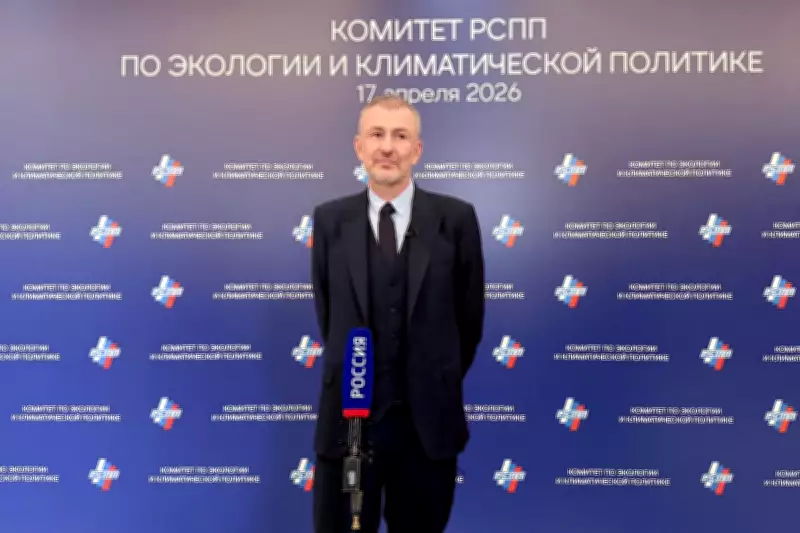
Speaking at a conference in Moscow, Mr Melnichenko informed reporters: "Well-known events occurring on our country's territory are leading to increased drone attacks on Russian fertiliser enterprises," emphasising that the impact was "significant enough" to cause serious disruption.

Key Attack on Dorogobuzh Plant
A particularly notable incident occurred on 25 February, when a Ukrainian drone attack struck the Dorogobuzh fertiliser plant, one of Russia's largest facilities owned by major producer Acron. The assault resulted in seven fatalities and has temporarily reduced Russia's overall fertiliser production capacity by approximately five per cent.
The Dorogobuzh plant is responsible for 11 per cent of Russia's ammonium nitrate output and nine per cent of its NPK fertiliser production, which is a critical blend of nitrogen, phosphorus, and potassium. Operations at the facility are anticipated to resume in May, but the delay is causing further strain on supply chains.
Several other attacks have been reported in towns where major fertiliser plants are located, indicating a targeted strategy by Ukrainian forces to disrupt this vital industry.
Market Impacts and Global Ramifications
Melnichenko noted that although prices for all three major types of fertilisers have risen, he believes the effective closure of the Strait of Hormuz has had no impact on the trade in potash. Disruption to phosphate trading was described as temporary, as Middle East producers are switching to ports outside the Gulf region.
He estimated this transition would occur more quickly than the six months Russian fertiliser producers needed to switch from European to local ports following the imposition of Western sanctions.
Production of nitrogen fertilisers from natural gas has suffered the most, according to Melnichenko, since a large share is produced from gas extracted from deposits around the Gulf. Russia controls up to 40 per cent of the global trade in ammonium nitrate, and on 21 March, it announced it would halt exports of this fertiliser for one month, further tightening global supplies.
The combined effect of these drone attacks, export restrictions, and geopolitical blockades is creating a perfect storm for the global fertiliser market, with serious implications for agricultural productivity and food security worldwide.