Russian Shadow Fleet Tanker Adrift in Mediterranean Poses Major Environmental Threat
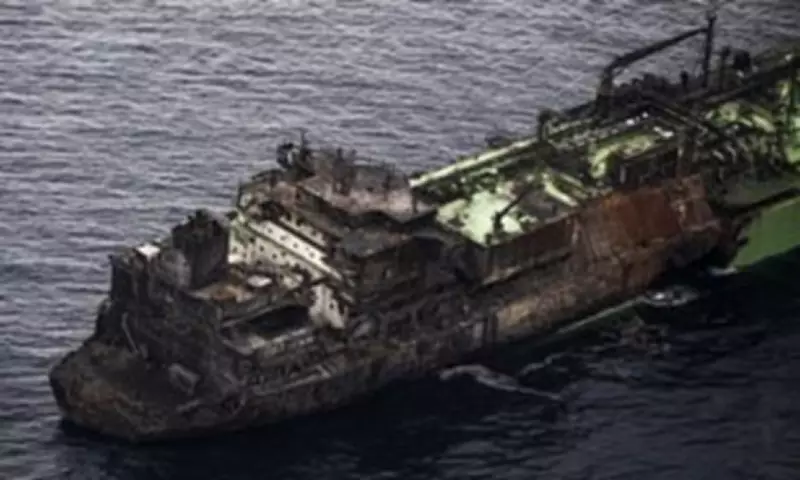
A Russian liquefied natural gas tanker, severely damaged in an alleged Ukrainian drone attack, is currently drifting unmanned in the Mediterranean Sea, raising alarms about a potential unprecedented environmental disaster. The vessel, identified as the Arctic Metagaz, is reportedly carrying 61,000 tonnes of LNG and 700 tonnes of diesel fuel, with a gaping hole in its hull and no crew aboard following the incident two weeks ago.
Imminent Risk of Ecological Catastrophe
Italian authorities have issued stark warnings that the tanker could explode at any moment, with potentially enormous consequences for the region. In formal communications to the European Commission, EU member states highlighted the precarious condition of the specialized vessel, noting it presents an imminent and serious risk of a major ecological disaster in the heart of the Union's maritime space.
The Arctic Metagaz is believed to be part of Vladimir Putin's shadow fleet—a network of vessels operating without valid national flags to circumvent Western sanctions against Russia. Following the alleged attack, which Moscow claims occurred off the Libyan coast during a voyage from Murmansk, the tanker has been drifting toward Malta after moving away from Italian waters.

Critical Threat to Malta's Water Security
Officials in Malta have expressed particular concern about the environmental damage that could result from the drifting tanker. The centrist political party Momentum warned that any pollution of surrounding seas from a maritime attack or sunken vessel would mean our taps run dry, describing the potential scenario as a national disaster of unprecedented proportions.
Malta, which ranks among the top ten countries globally for water scarcity, depends almost entirely on desalination plants for drinking water. Maltese MEP Thomas Bajada emphasized that any marine pollution incident near these critical installations could have serious consequences for water security and the functioning of essential national infrastructure.
Shadow Fleet Operations and Escalating Tensions
The Arctic Metagaz incident highlights the broader issue of Russia's shadow fleet operations, which continue to ferry millions of barrels of oil through the world's busiest shipping routes in defiance of Western sanctions, embargoes, and price caps. Dozens of these vessels pass through the Dover Strait monthly as part of a shadow fleet estimated at up to 800 ships that continue to fuel Russia's four-year war against Ukraine.
When the tanker caught fire in early March, Vladimir Putin blamed Ukraine, though Ukrainian authorities have not claimed responsibility. Libyan port officials initially reported the vessel had sunk, but it has remained afloat and unmanned since the incident. Footage from the aftermath showed the Arctic Metagaz ablaze with large flames and billowing smoke clouds.
International Response and Legal Implications
Maria Zakharova, spokesperson for the Russian foreign ministry, stated that Moscow is in contact with the vessel's owner, Russia-based LLC SMP Techmanagement, and foreign competent bodies. She emphasized that international legal norms imply the responsibility of coastal countries for resolving the situation with the drifting vessel and preventing an environmental disaster.
Last month, the UK Government announced its most substantial sanctions package against Russia to date, aiming to cut off critical oil revenues and degrade the Kremlin's ability to wage its illegal war. Experts estimate that over 60 percent of Russian crude is now exported via the shadow fleet, though the Ministry of Defence insists that deterring, disrupting, and degrading this fleet remains a priority.
Potential for Military Confrontation
Security experts have warned that escalating tensions could lead to clashes at sea, potentially near British shores. Professor Michael Clarke, a prominent defence analyst, told Sky News that Britain and its allies—including the Dutch, Danes, and Norwegians—may need to get much tougher with Russian shadow fleet vessels, even if they are escorted.

Clarke predicted that this could lead to some form of militarized confrontation at sea, possibly in the English Channel or North Sea, potentially as soon as this year. Other Russian shadow ships have brazenly navigated European waters, including through the English Channel, with defence experts warning of increasing risks to maritime security in the region.