Sea Mines Pose Critical Threat to Global Trade Amid Escalating Iran Conflict
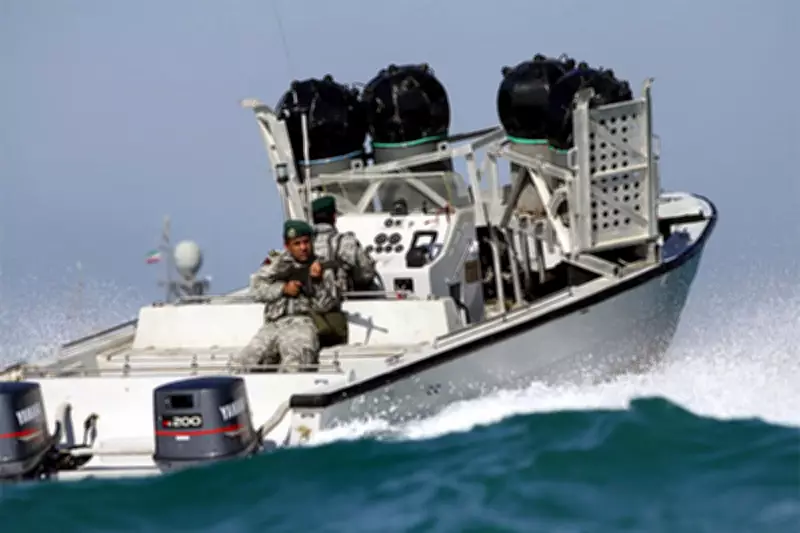
U.S. intelligence officials have confirmed that Iranian forces have deployed a limited number of sea mines in the Strait of Hormuz, a vital maritime choke point for global shipping. This development provides Iran with an additional method, alongside missiles and drones, to threaten commercial vessels and disrupt international trade routes. The strategic move underscores the ongoing tensions in the region and the broader implications for global economic stability.
U.S. Navy Adjusts Mine Countermeasures in Persian Gulf
In a significant shift, the U.S. Navy has recently decommissioned its dedicated minesweeping vessels that were previously operational in the Persian Gulf area. However, the navy retains other advanced ships and aircraft equipped with sophisticated technologies for locating and neutralizing mines. This transition reflects a modernized approach to maritime security, leveraging artificial intelligence and machine learning to enhance detection capabilities in complex underwater environments.
Understanding Modern Sea Mines: Types and Mechanisms
Sea mines have evolved significantly from traditional designs. The most commonly depicted mines in media, such as floating spheres with Hertz horns, are known as moored mines. These detonate upon direct contact with a ship's hull. In contrast, influence mines are triggered by a vessel's magnetic, acoustic, or pressure signatures, allowing them to target ships without physical contact.

Modern mines often integrate multiple sensing modes to increase their effectiveness. For instance, some are programmed to detonate only after a specific number of ships have passed, enabling them to bypass smaller vessels or minesweeping efforts and focus on high-value targets. Examples include the Iranian Maham 3, which utilizes both magnetic and acoustic sensors.
Not all mines are buoyant; many contemporary designs, such as bottom mines, rest on the seabed. These are particularly effective in shallow waters where ships navigate closer to the ocean floor. Models like the Iranian Maham 7 and the Iraqi Manta mine from the 1991 Gulf War can be deployed from small boats or aircraft, making them relatively easy to position. Some advanced variants, known as rising mines, launch upward toward detected targets from their seabed positions.
Mine Countermeasures and the Challenge of Detection
The primary advantage of naval mines lies not only in the damage they inflict but also in the substantial time and resources required to locate and clear them. Even the mere suspicion of mines can severely disrupt shipping lanes, necessitating extensive and costly clearance operations. Historical precedents, such as the Tanker War of the 1980s between Iran and Iraq, demonstrate how minimal mine deployments can lead to significant maritime disruptions and expensive countermeasures.
Countermeasures often involve uncrewed systems that mimic ship signatures to trigger mines or deploy explosive charges to disable them. However, precise identification of individual mines demands reliable detection methods, driving research into advanced technologies.
Advancements in Mine Detection: AI and Sonar Innovations
Mine detection typically involves a comprehensive process known as the detect-classify-identify pipeline. This begins with wide-area sonar searches that generate numerous contacts from seabed anomalies. Automatic target recognition algorithms then sort these contacts, categorizing them as either minelike objects or benign items. Higher-confidence identification is achieved through divers or camera systems for validation.
Data collection is facilitated by uncrewed surface vehicles towing sonar platforms, called towfish, which resemble small missiles and are equipped with side-scan sonar sensors. These devices use sound waves to create detailed images of the seabed, with objects appearing as bright highlights paired with acoustic shadows. The British Royal Navy is reportedly preparing to deploy similar towed sonar arrays to the Persian Gulf region, enhancing collaborative detection efforts.

Detection techniques have advanced from early methods that segmented imagery based on highlight-shadow pairs to statistical approaches identifying seabed anomalies. More recently, machine learning and deep learning methods have been applied to sonar data, showing improved performance in complex environments. However, these AI-driven systems require extensive, high-resolution training data, which is costly and challenging to collect due to the specialized nature of sonar imagery.
Researchers continue to develop features derived from texture, intensity, and shadow geometry to classify objects accurately. The potential for clearing mines from the Strait of Hormuz in the future could contribute valuable data to train these systems, further refining detection capabilities.
Expert Insights and Future Implications
John Femiani, an Associate Professor of Computer Science and Software Engineering at Miami University, emphasizes the role of AI in modern mine detection. His research highlights how artificial intelligence techniques, including machine learning, can assist navies in identifying and neutralizing contemporary sea mines. As geopolitical tensions persist, the integration of technology into maritime defense strategies becomes increasingly critical for safeguarding global trade routes.
The deployment of mines in the Strait of Hormuz serves as a stark reminder of the ongoing threats to international shipping. With advancements in detection technology and collaborative naval efforts, the global community aims to mitigate these risks and ensure the free flow of commerce through one of the world's most crucial waterways.