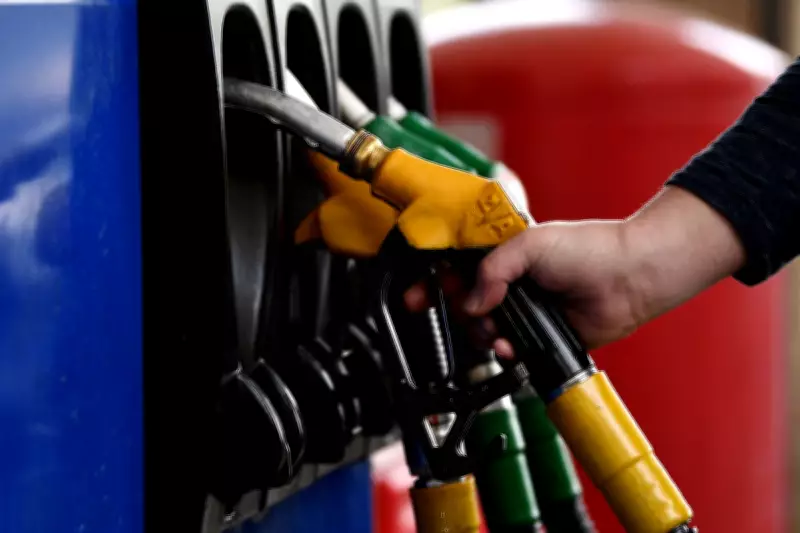
Slovakia's government has officially approved a resolution that permits service stations to implement higher diesel prices specifically for vehicles bearing foreign registration plates. This decisive move is designed to actively curb the phenomenon known as 'fuel tourism,' which has escalated amidst a global surge in energy costs largely attributed to the ongoing conflict in Iran.
Addressing Cross-Border Fuel Shortages
The initiative follows urgent concerns raised by the Slovak refiner Slovnaft earlier this week. The company reported a significant and noticeable increase in diesel purchases within northern districts that border Poland. This spike was driven by the fact that diesel prices on the Slovak side were notably and substantially lower than those in neighbouring Poland, creating a powerful incentive for cross-border shopping.
Prime Minister's Stark Warning
Prime Minister Robert Fico, who formally proposed the measure on Tuesday, provided a stark assessment of the situation. He claimed that during the peak of the energy crisis, 'gas stations literally dried up' as drivers, particularly from abroad, were not only filling their vehicle tanks but also stocking up on additional containers. This behaviour led directly to acute fuel shortages at numerous service stations across affected regions.

Mr Fico elaborated that the government's objective is to align Slovak diesel prices more closely with those in most neighbouring countries, such as Poland, while ensuring they remain cheaper than in Austria. The newly approved resolution grants fuel pumps the authority to restrict diesel sales for foreign-registered cars to a maximum of one full tank plus an additional 10 litres. Notably, the resolution does not specify an upper price limit for the higher charges imposed on foreign vehicles, providing flexibility to market operators.
Regional Context and Broader Impact
This policy shift occurs within a wider European context of governmental intervention in fuel markets. For instance, Hungary implemented a cap on fuel prices earlier this month, and Poland's primary refiner, Orlen, has taken steps to reduce its profit margins in an effort to mitigate the financial impact on domestic consumers. These regional measures highlight the pervasive challenges posed by volatile energy markets.
UK Diesel Prices Hit Multi-Year High
The ripple effects of the Middle East conflict are being felt acutely in the United Kingdom as well. New figures indicate that diesel prices have soared by an average of just under 19 pence per litre since the conflict's onset, marking a sharp 14 per cent increase. This surge has pushed diesel to its most expensive price point since November 2023.
Petrol prices have also risen, albeit at a slower rate, increasing by 7 per cent over the same period from 132.8p to 141.7p per litre. The last instance when petrol was more expensive dates back to August 2024, underscoring the current market pressures.
Industry and Government Response in the UK
Simon Williams, the RAC's head of policy, commented on the severe impact on British motorists, stating, 'Drivers with diesel cars are really feeling the heat. Prices have shot up 18p a litre in just two weeks, adding £10 to the cost of a full tank.' He further explained that the average cost to fill a standard 55-litre family car with diesel has now reached £88, compared to £78 for petrol.
Williams attributed the faster rise in diesel prices to the UK's refining capacity, noting, 'The UK has fewer refineries than ever and those we do have are more geared towards petrol production than diesel, so we're reliant on imports which has contributed to diesel prices rising faster.'
In response to these escalating costs, Chancellor Rachel Reeves recently addressed petrol retailers, emphasising they have a 'shared obligation' to work towards keeping prices down for motorists across the country. This call to action reflects growing governmental concern over the economic burden placed on consumers by sustained high fuel prices.