Strait of Hormuz Blockade Intensifies Global Shipping Crisis
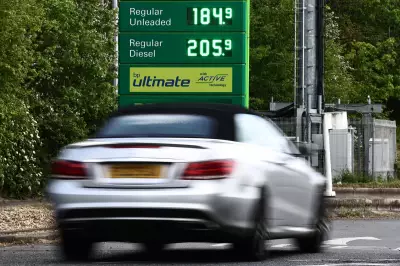
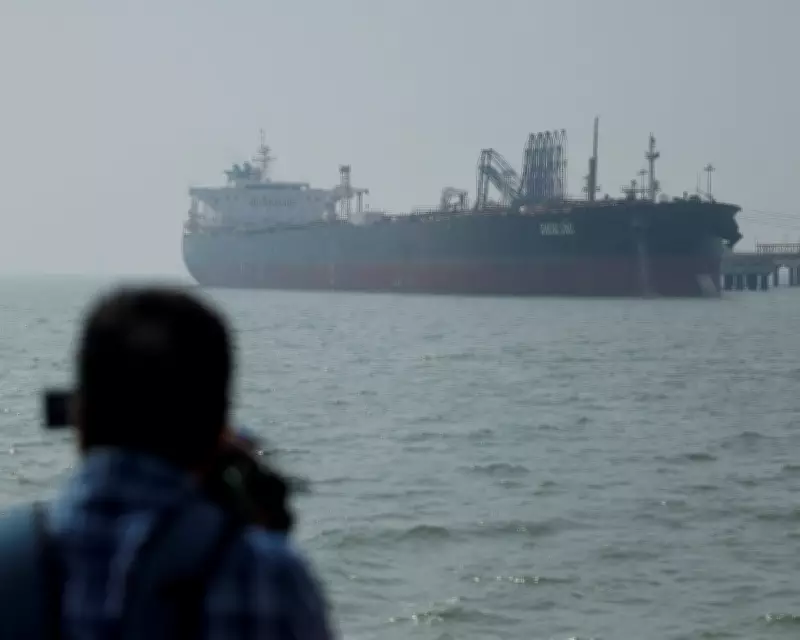
The Liberia-flagged tanker Shenlong Suezmax successfully navigated the Strait of Hormuz last Friday, marking a rare transit since Iran initiated a blockade of this critical maritime passage following the outbreak of war. This vessel joins a select few that have managed to cross the strait, as Iranian military actions, including strikes and reported mine-laying operations, have effectively sealed the chokepoint, triggering a sharp surge in global energy prices.
Massive Disruption to Global Trade Routes
More than 1,000 cargo ships, predominantly oil and gas tankers, are currently blocked from transiting the Strait of Hormuz. This closure stems from the ongoing conflict between Israel, the United States, and Iran, with Tehran's decision to shut the passage posing severe risks to the global economy. The strait serves as the sole maritime exit from the Gulf, facilitating approximately one-quarter of the world's liquefied natural gas and seaborne trade. Shipping is confined to narrow lanes—two miles wide for outbound and incoming traffic—separated by a two-mile median, with the narrowest point spanning just 21 nautical miles between Iran's coast and Oman's Musandam peninsula.
Historical Context and Current Iranian Strategy
Historically, the Strait of Hormuz has been a focal point for geopolitical leverage, notably during the "tanker war" of the 1980s Iran-Iraq conflict. In response to past threats, the US Navy launched Operation Earnest Will in 1987, the largest convoy operation since World War II. Today, Iran aims to widen the war's geographic scope and amplify global costs by attacking ships and deploying mines, effectively halting marine traffic. While US military planners long warned of such a scenario, the Trump administration appears to have underestimated Iran's response, with analysts noting that Tehran's existential threats have overridden prior assumptions about keeping the strait open for its own oil exports.

US Naval Challenges and International Reluctance
Energy Secretary Chris Wright acknowledged on Thursday that the US Navy is unprepared to execute escort operations, stating, "We're simply not ready," as military assets focus on countering Iran's forces. The complexity of securing the strait is compounded by Iran's use of small, fast boats for mine-laying and the proximity of its coast—some transit lanes lie only 3-4 miles offshore, allowing drones and missiles to strike with less than two minutes' warning. Despite President Trump's calls for an international naval taskforce involving the UK, China, France, Japan, and South Korea, enthusiasm remains tepid. Countries cite vague US war aims and escalation fears, with many, including Germany and Australia, ruling out naval deployments, while others like Japan and South Korea offer minimal or delayed responses.
Mine Threats and Ground Operation Considerations
Iran possesses a range of sea mines, deployable via conventional vessels or small craft, posing both physical and psychological threats to shipping. These mines can be anchored up to 50 meters deep, complicating any convoy missions. Some analysts suggest that countering Iranian shore-based missile batteries may require a ground operation, though the 2,000 US Marines recently dispatched from Okinawa are unlikely to suffice for such a task. As the crisis unfolds, the global community watches closely, with the strait's closure underscoring the fragile balance of international trade and security in a volatile region.