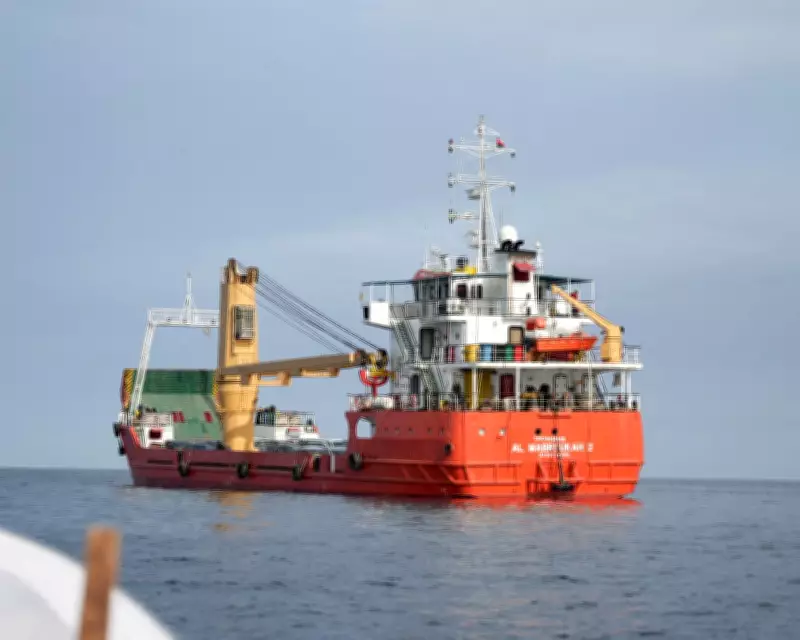
Strait of Hormuz Reopens to Commercial Vessels After Period of Heightened Tensions
The Strait of Hormuz, a critical maritime chokepoint for global energy supplies, has officially reopened to commercial shipping traffic. This development comes after a period of significant geopolitical tensions that had threatened to disrupt the flow of oil and gas through this narrow waterway.
Resumption of Vital Shipping Lanes
Commercial vessels, including oil tankers and cargo ships, are now able to navigate the strait freely. The reopening follows diplomatic efforts and de-escalation measures that have alleviated recent security concerns. This waterway is essential for the transportation of approximately one-fifth of the world's oil and a substantial portion of liquefied natural gas, making its accessibility crucial for global energy markets and economic stability.
Impact on Global Trade and Energy Security
The closure or restriction of the Strait of Hormuz had raised alarms among international traders and energy analysts, who feared potential spikes in oil prices and supply chain disruptions. With the strait now open, shipping companies and energy firms can resume normal operations, reducing the risk of shortages and price volatility. This move is expected to bolster confidence in maritime security and support the steady flow of commodities through one of the world's most strategic trade routes.

Ongoing Monitoring and Future Considerations
While the immediate reopening is a positive step, authorities and international observers continue to monitor the situation closely. The strait's security remains a priority, given its susceptibility to regional conflicts and geopolitical manoeuvres. Stakeholders are advocating for sustained diplomatic engagement to ensure long-term stability and prevent future closures that could impact global trade dynamics.