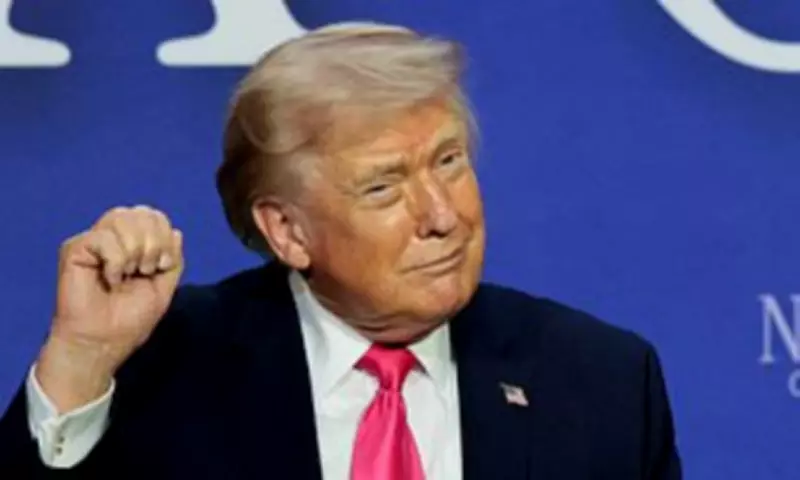
Former US President Donald Trump has celebrated a significant development in Middle Eastern relations, as Iran announced the Strait of Hormuz is now "completely open" for maritime traffic. This declaration follows a recent ceasefire agreement between Israel and Lebanon, marking a potential de-escalation in regional tensions.
Oil Markets React to Geopolitical Shift
The reopening of this critical waterway, through which approximately one-fifth of the world's oil passes, has triggered a sharp decline in global oil prices. Analysts note that the move alleviates fears of supply disruptions that had been mounting due to the ongoing conflict involving Iran.
Trump's Response and Broader Implications
In a statement, Trump praised the development as a "major step toward peace" with Iran, highlighting his administration's previous tough stance on the regime. The Strait of Hormuz had been a flashpoint, with previous threats of closure raising concerns about global energy security and economic stability.

Experts suggest that this opening could signal a temporary thaw in relations, though long-term prospects remain uncertain. The ceasefire between Israel and Lebanon, brokered with international mediation, is seen as a contributing factor to Iran's decision.
Impact on Global Energy and Trade
The plunge in oil prices is expected to provide relief to consumers and industries worldwide, particularly amid existing inflationary pressures. However, market volatility may persist as geopolitical dynamics continue to evolve.
This development underscores the interconnected nature of global politics and economics, with regional conflicts directly influencing international trade routes and commodity markets.