Massive Tariff Refund Process Begins, Excluding Consumers
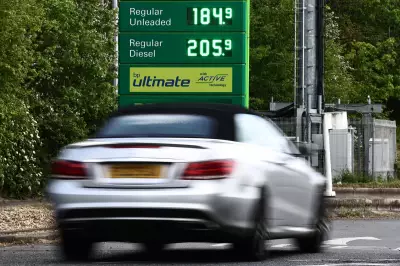
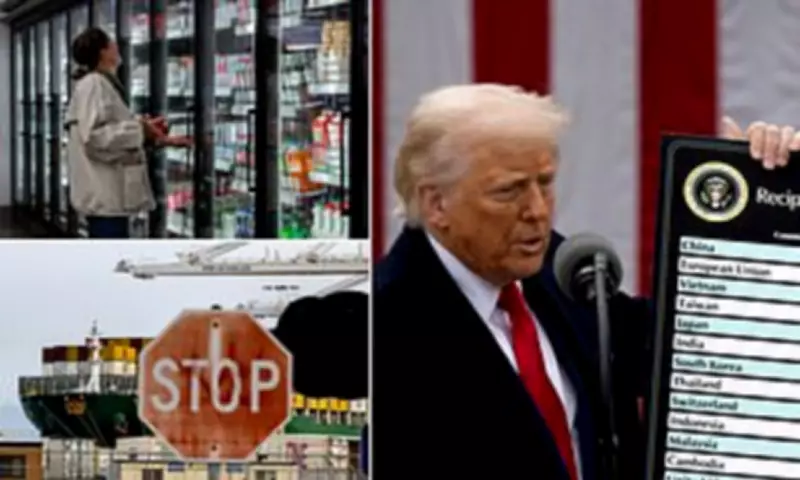
As criticism mounts over high gas prices and elevated costs for everyday goods linked to Donald Trump's policies in the Middle East, the federal government is attempting to gain public favour by initiating tariff refunds. However, a significant caveat exists: these refunds are directed exclusively toward big businesses, not the general public struggling with inflation.
Historic Repayment to Importers
Starting today, businesses can officially file for tariff refunds, marking the commencement of a process to return approximately $166 billion in import duties levied under Trump's administration. This repayment is poised to become one of the largest in American history for import business owners.
US Customs and Border Protection has launched a new claims system, enabling importers to seek reimbursement for tariff expenses incurred by their companies. This action follows a pivotal Supreme Court decision in February, which determined that Trump's tariff enforcement policy lacked proper authorisation. The court emphasised that Congress, not the Executive Branch, holds the constitutional authority to impose such taxes.

Legal Ruling Forces Government Hand
The Supreme Court's ruling clarified that the legal basis Trump relied on for his signature tariff policy did not permit the collection of these duties. This judicial finding empowered lower courts to mandate the federal government to reverse course and refund the collected funds.
The scale of this refund is substantial. Court documents reveal that more than 330,000 importers paid tariff taxes on over 53 million shipments. Companies or their brokers can now access CBP's new 'Automated Commercial Environment' portal to submit refund requests. Approved refunds are expected to reach bank accounts within 60 to 90 days, though more complex cases may face longer delays.
Operational Challenges and Consumer Exclusion
The refund process is anticipated to be arduous due to the vast number of claims and the system's original design, which was not built to handle such volume. CBP acknowledged that some submissions might necessitate manual processing, potentially slowing the timeline.
When Trump implemented these tariffs last spring, he asserted they would 'make America wealthy again.' Tariffs, as taxes on imports, primarily affected businesses that rely on foreign goods. These companies typically absorbed costs by paying the tax directly, reducing expenses elsewhere, or raising prices—ultimately passing the burden to consumers.
The critical limitation is that only businesses that formally paid these tariffs are eligible for refunds. Millions of Americans who faced higher prices for purchased items will not receive compensation. This disparity has sparked public outcry on social media platforms.
Public Reaction and Economic Context
One user on X highlighted the inequity, stating, 'American consumers paid these taxes through the price of goods, and that money was used to benefit the American people! Now that the court has ruled this way, that money goes to the importers, and American consumers lose money.' Another user questioned the prioritisation of refunds, asking, 'If this rollout is limited to select importers first, the real question is who gets priority and who waits.'
A third individual labelled it a 'double-tax,' complaining, 'We paid the tariff tax and will pay for the tax refunds on the tariff tax charged.' Meanwhile, Trump has escalated rhetoric toward Iran over the weekend, impacting global markets. Brent crude oil prices fluctuated sharply, dropping to $86 a barrel after Iran announced it would reopen the Strait of Hormuz, then rebounding to $95 following further tensions and closure of the waterway.
Trump has dispatched envoys for peace talks in Pakistan and threatened new strikes on Iran unless his terms are met. A ceasefire, initially set to last until Tuesday, is now uncertain after the US seized an Iranian cargo ship, prompting Tehran to vow retaliation.

This refund initiative unfolds against a backdrop of persistent economic strain, where rising costs are connected to ongoing Middle East conflicts driving up oil prices, compounded by the lingering effects of tariffs. While businesses stand to gain financially, consumers continue to grapple with the financial repercussions without direct relief.