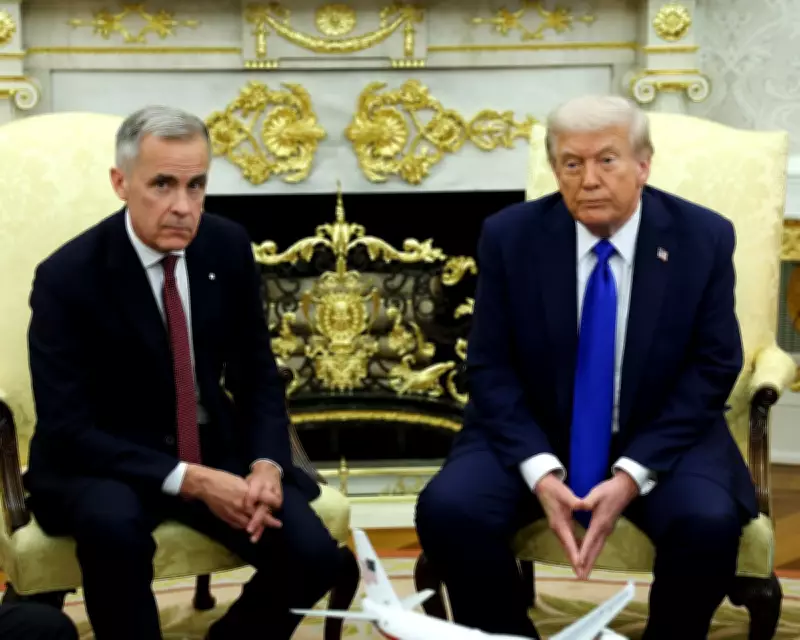
Former President Donald Trump's recent announcement of new tariffs targeting Canada has triggered a significant bipartisan backlash, with both Republicans and Democrats voicing strong opposition to the proposed measures. The tariffs, which aim to impose additional duties on Canadian goods, have raised alarms about potential economic disruptions and strained trade relations between the two nations.
Bipartisan Criticism Emerges
In an unusual show of unity, lawmakers from across the political spectrum have condemned the tariffs, citing fears of retaliatory actions from Canada that could harm American businesses and consumers. Republican leaders have expressed concerns that the tariffs might undermine existing trade agreements, while Democrats have highlighted the risks to jobs and inflation in key industries.
Economic and Diplomatic Implications
The proposed tariffs come amid ongoing trade tensions, with analysts warning that they could escalate into a full-blown trade war if not carefully managed. The move has also sparked debates over trade policy priorities, with some experts arguing that it reflects a broader shift toward protectionism in U.S. economic strategy.

Additionally, the controversy has drawn attention to other related issues, including discussions on immigration enforcement and legal matters involving figures like Jeffrey Epstein, though these remain secondary to the core trade dispute. The bipartisan pushback suggests that the tariffs may face significant hurdles in implementation, as lawmakers seek to balance economic interests with diplomatic relations.
As the situation develops, stakeholders are closely monitoring negotiations and potential adjustments to the tariff proposals, with many calling for a more collaborative approach to trade with Canada to avoid further economic fallout.