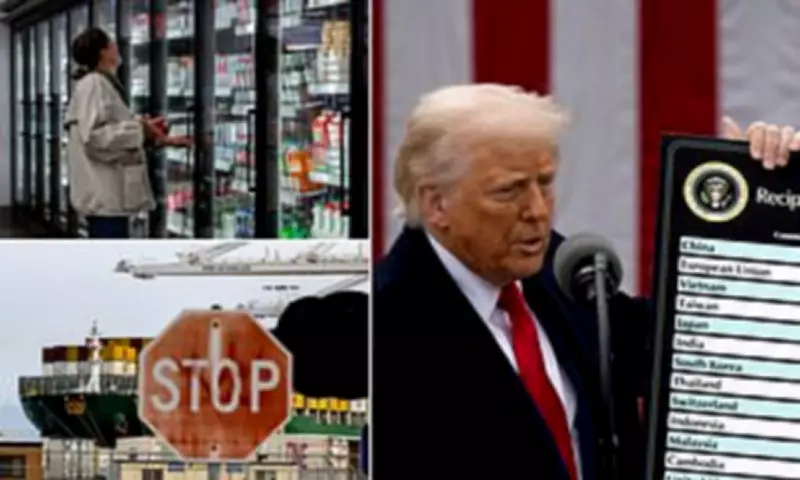
Trump Launches $166 Billion Tariff Refund Initiative for US Businesses
Former President Donald Trump has set in motion a substantial financial initiative aimed at refunding $166 billion in tariffs to American companies. This move, part of his broader trade policy agenda, seeks to provide relief to businesses that have been affected by previous tariff impositions. However, the proposal is not without its complexities, as it includes specific conditions that companies must meet to qualify for the refunds.
Key Conditions and Eligibility Criteria
The refund process, as outlined by Trump, involves several critical stipulations that could influence which companies benefit. Firstly, businesses must demonstrate that they have directly paid tariffs under previous trade policies, with documentation required to verify these payments. Secondly, there may be restrictions based on the type of goods or industries involved, potentially favoring certain sectors over others. Additionally, the timing of the refunds could be staggered, with priority given to companies that have shown significant economic hardship due to the tariffs.
This initiative reflects Trump's ongoing focus on reshaping US trade relations, but it also raises questions about the implementation and fairness of the refund system. Critics argue that the conditions could create disparities, while supporters view it as a necessary step to support domestic industries.

Implications for US Economy and Trade Policy
The proposed $166 billion refund has the potential to inject significant capital into the US economy, potentially boosting business investments and job creation. However, the conditions attached may limit its overall impact, as not all affected companies might qualify. Furthermore, this move could influence future trade negotiations, signaling a willingness to adjust tariff policies in response to economic pressures.
As the process unfolds, stakeholders will be closely monitoring how the conditions are applied and whether the refunds achieve their intended goals of economic relief and policy adjustment.