UK's 'Once-in-a-Decade' Opportunity to Transform Global Aid Footprint
Aid campaigners have declared that the United Kingdom stands at a pivotal "once-in-a-decade" juncture to profoundly reshape its environmental and human rights impact worldwide. This critical moment arises as the UK government, amidst an era of foreign aid reductions, publicly aspires to transition from a traditional donor to a strategic investor in overseas assistance.
Reviewing Responsible Business Conduct
As part of the UK's Trade Strategy unveiled last year, a comprehensive review into responsible business conduct policy has been initiated, with a sharp focus on the global supply chains of companies operating within the UK. These supply chains, often intricate and spanning multiple continents, form the backbone of the modern global economy. Recent disruptions—from the Covid-19 pandemic and Russia's invasion of Ukraine to Brexit—have starkly exposed their vulnerabilities, leading to fluctuations in food and energy prices.
However, beyond risks to UK consumers, inadequate oversight of these supply chains poses severe threats to supplier nations. Issues such as forced labour, child labour, environmental degradation, and the escalating climate crisis are prevalent concerns that demand urgent attention.

Call for Mandatory Due Diligence Laws
Organisations like the Fairtrade Foundation are advocating for the implementation of a "mandatory human rights and environmental due diligence (HREDD) law." This legislation would compel companies to proactively manage and address risks within their supply chains, moving beyond mere compliance to foster long-term solutions. Sophia Ostler, Fairtrade's senior policy manager, emphasises that this represents a significant opportunity to tackle systemic problems with a government potentially willing to act.
"It's about ensuring trade benefits workers in developing countries sufficiently to afford a good quality of life," Ostler states. The campaign has gained momentum over years, supported by civil society letters, business endorsements, parliamentary debates, and reports highlighting forced labour in UK supply chains.
Current Legislative Gaps and Proposed Reforms
Existing legislation, primarily based on the Modern Slavery Act and the Environment Act, is described as fragmented and insufficient. A new HREDD law could establish a level playing field for large companies, ensuring that the high standards the UK upholds domestically are also met overseas. Ostler argues for a holistic approach aligned with OECD Guidelines, recognising the interconnectedness of human rights and environmental issues.
Without mandatory due diligence, data on corporate compliance is scarce. Assessments reveal low implementation rates, with only 34% of apparel companies and poor scores for food and drink firms in addressing forced labour. Scandals involving imports linked to slavery, child labour, or environmental harm—such as solar panels from China or minerals from the Democratic Republic of Congo—underscore the urgency for reform.
Climate Resilience and Business Benefits
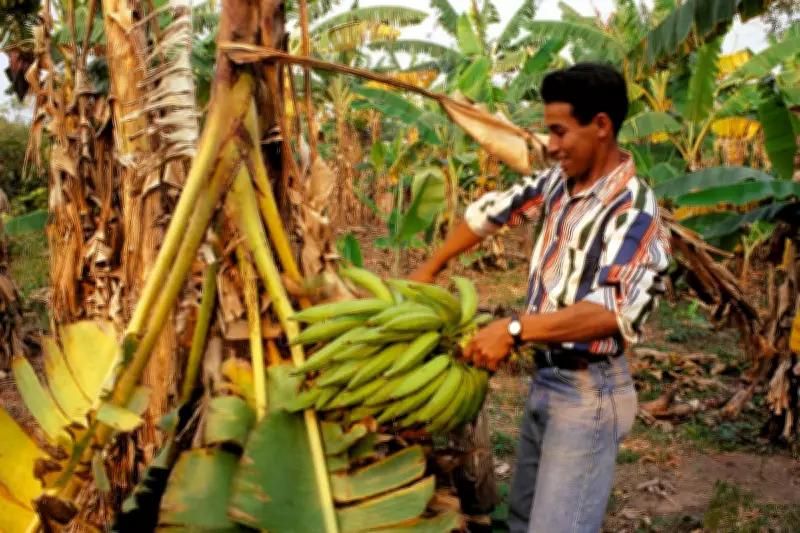
The climate crisis further exacerbates supply chain vulnerabilities, as seen in impacts on small-scale farms producing tea, coffee, and cacao. Advocates stress that HREDD legislation not only protects workers in the Global South but also benefits businesses by enhancing supply chain resilience and averting future scandals. Maria Cronin, a legal expert, notes that a robust framework would provide clarity and legal certainty for UK companies.
Andrew Wallis of Unseen warns that without enforceable standards, ethical businesses risk being undercut by competitors tolerating exploitation. The EU's advancements in similar regulations, such as the Corporate Sustainability Due Diligence Directive, highlight the need for the UK to act swiftly to avoid becoming a "dumping ground" for non-compliant products.

Potential Outcomes and Government Response
While many businesses and civil society groups push for ambitious HREDD laws, some companies resist due to perceived complexities and costs. Ostler counters that large corporations can afford necessary changes, with minimal impact on consumer prices, as evidenced by EU regulations. The government's review is set to conclude in late March, with a spokesperson affirming commitment to eradicating abuses from UK supply chains.
This article is part of The Independent's Rethinking Global Aid project, highlighting the critical need for transformative supply chain reforms in the UK.