US Temporarily Lifts Sanctions on Iranian Oil at Sea Amid Price Surge
The United States Treasury Department has taken the unprecedented step of temporarily waiving sanctions on Iranian oil currently at sea, in a dramatic move designed to combat the meteoric rise in global oil prices. This significant policy shift, announced late on Friday, will remain in effect until April 19, unless extended.
A Strategic Move to Stabilise Global Markets
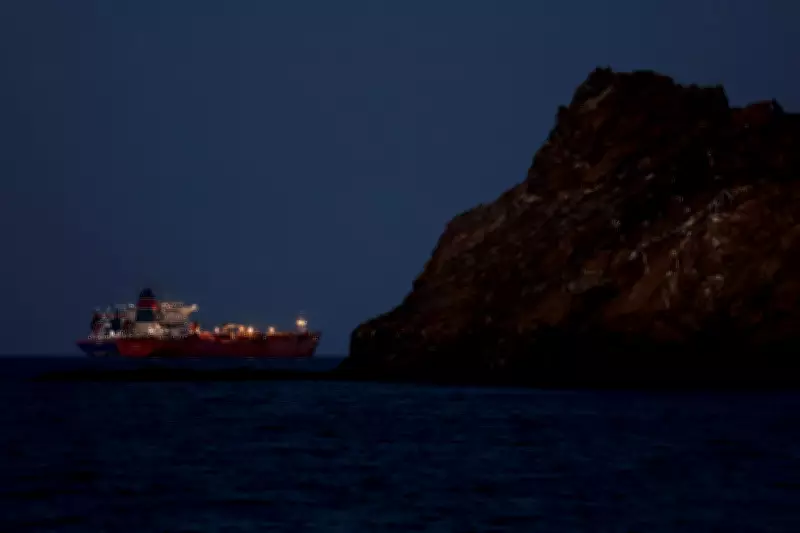
The decision, framed as a "narrowly tailored, short-term authorization," permits the purchase and offloading of Iranian crude oil and petroleum products that are already loaded onto vessels, including those previously under sanction. Treasury Secretary Scott Bessent, defending the action on social media, stated the waiver applies solely to Iranian petroleum "currently stranded at sea."
This temporary relaxation of sanctions targets approximately 140 million barrels of oil, which the administration believes will inject much-needed supply into global markets. Secretary Bessent argued this would help "expand the amount of worldwide energy" and alleviate "temporary pressures on supply caused by Iran," effectively using Iranian resources against Tehran to suppress prices during the ongoing military engagement, dubbed Operation Epic Fury.

Roots in Escalating Conflict and Economic Pressure
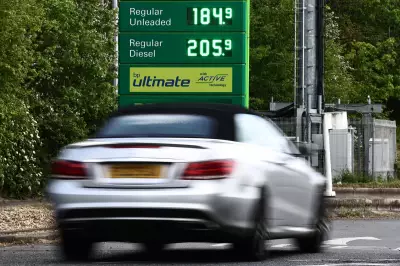
The soaring cost of oil, which has threatened economies worldwide, stems directly from the U.S.-Israeli war against Iran that commenced last month. Recent volatility peaked on Friday, with Brent crude climbing to $119 per barrel and European gas prices surging 35% following a series of retaliatory missile attacks on Middle Eastern energy infrastructure.
Iranian forces targeted Qatar's Ras Laffan energy hub, a Saudi oil refinery, Qatari gas facilities, and refineries in Kuwait. These strikes were in response to an Israeli attack on Iran's vital South Pars gas field. The escalating conflict has prompted major regional producers to cut production and shutter facilities to avoid catastrophic damage, creating severe supply squeezes.
This situation has been critically exacerbated by Iran's effective closure of the Strait of Hormuz, a vital maritime chokepoint through which one-fifth of the world's oil supply transits annually.
Sanctions Framework and Financial Isolation
The Treasury Department's Office of Foreign Assets Control issued a "General License" waiving ten separate sets of sanctions that have targeted both Russian and Iranian oil for years, many originating during President Trump's first term. These measures were originally imposed to punish Russia for its 2022 invasion of Ukraine and to penalise Iran for malign activities, human rights violations, support for terrorism, and pursuit of weapons of mass destruction.
Importantly, Secretary Bessent emphasised that the waiver is limited to oil already in transit and does not apply to new production. He further claimed Tehran would not easily profit from this relief due to separate, longstanding sanctions that cut off Iranian banks from the global financial system, a cornerstone of the administration's "maximum pressure" campaign against the Islamic Republic.
Political Context and Military Calculations
The announcement follows days of turmoil in world markets and comes amidst contradictory signals from the White House regarding the war's trajectory. President Trump has recently suggested the U.S. is "getting very close to meeting our objectives" and is considering "winding down" the three-week-old bombing campaign.
However, these statements contrast with ongoing military preparations. The administration is currently weighing the deployment of thousands of additional troops to the Middle East, and the Pentagon is seeking an additional $200 billion to fund the offensive. The conflict's financial toll is already staggering, with the first six days alone costing over $11.3 billion, as disclosed in a recent closed-door Congressional briefing.

President Trump has also expressed frustration with NATO allies, labelling the alliance a "PAPER TIGER" and calling many American partners "COWARDS" for their purported refusal to assist in securing the Strait of Hormuz. He argued that guarding the strait "will have to be policed by other Nations who use it," asserting the U.S., as a net oil exporter, does not require its resources committed to reopening the vital waterway.
This temporary sanctions waiver represents a calculated, if contentious, economic intervention by the U.S. government, attempting to balance geopolitical warfare with the urgent need to stabilise a global economy reeling from energy price shocks. Its success and duration remain tightly linked to the volatile and escalating conflict in the Middle East.