

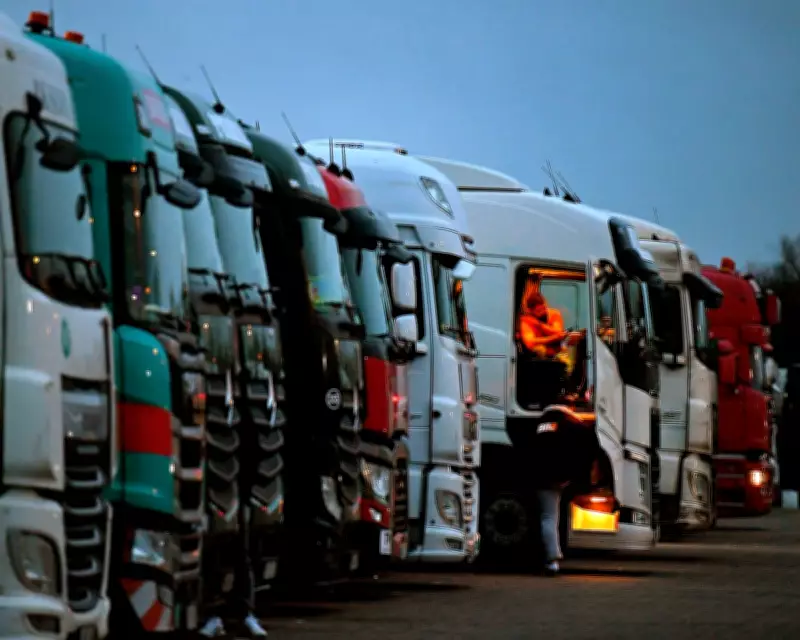
In the early 1970s, the British government envisioned a revolutionary solution to enhance road transport security: a nationwide network of highly secure truck stops. These facilities were designed to include perimeter fencing, comprehensive CCTV coverage, and 24-hour guards, aiming to protect cargo and improve conditions for drivers.
Ambitious Security Features Proposed
The design specification went beyond basic measures. It proposed a semicircular dry ditch within sites to prevent stolen vehicles from ramming fences. Entry and exit were to be controlled via airlock double gates with rising plate anti-ram barriers, supervised from a bulletproof control tower to thwart tailgating attempts.
Driver Amenities and Site Selection
Inside the compounds, plans included fuel sales, catering blocks, and overnight accommodation to spare drivers from sleeping in their vehicles. The British Rail estates department was consulted for suitable sites, with the former Langton Dock goods yard in Liverpool's North Docks area highlighted as one of the top locations.

Sudden Abandonment of the Concept
Negotiations had barely commenced when the entire concept was abruptly dropped, likened to discarding a hot brick, with minimal explanation provided. This decision left many, including modern experts like cargo crime detective Mike Dawber and loss prevention director Michael Yarwood, viewing it as regrettable given ongoing cargo theft issues.
The proposal's demise underscores a missed opportunity in transport infrastructure, resonating with current debates on cargo security and driver welfare in the UK.






