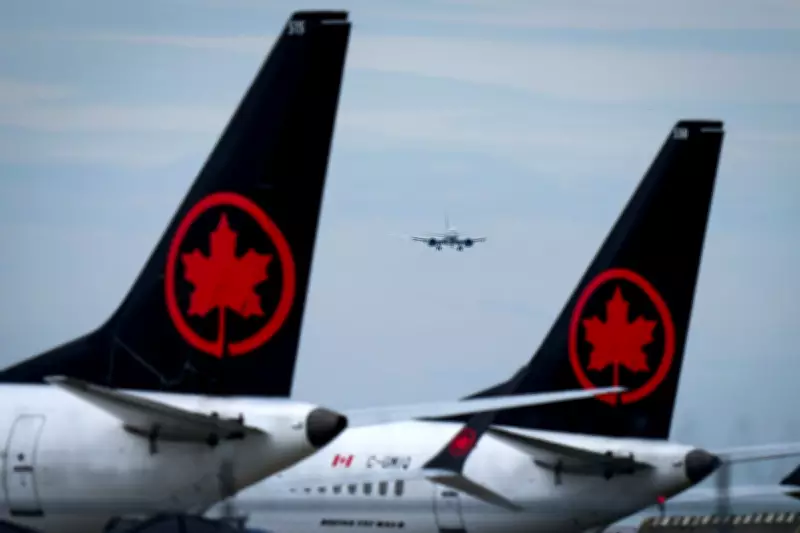
Air Canada, the largest airline in Canada, announced on Monday that it is suspending all its services to Cuba with immediate effect. This drastic decision comes in direct response to a severe and worsening shortage of aviation fuel across Cuban airports, a crisis that threatens to disrupt travel and economic ties between the two nations.
Fuel Crisis Forces Immediate Flight Suspension
The airline confirmed that the suspension began on Monday, 9th February 2026, following an official announcement from the Cuban government. This announcement stated that aviation fuel would no longer be available at Cuban airports starting from Tuesday, leaving airlines scrambling to adjust their operations. Air Canada cited this critical lack of fuel as the sole reason for halting its flights, emphasising the operational impossibility of continuing services under these conditions.
Repatriation Efforts for Stranded Passengers
In a move to mitigate the impact on travellers, Air Canada has outlined plans to operate empty southbound flights in the coming days. These special flights are specifically intended to repatriate approximately 3,000 customers currently in Cuba, ensuring they can return home safely despite the ongoing service suspension. The airline has assured passengers that it is prioritising their welfare and coordinating efforts to manage this unexpected travel disruption.

Broader Context of Cuba's Energy Crisis
The aviation fuel shortage is part of a larger, deepening energy crisis plaguing Cuba. This crisis has been exacerbated by a longstanding U.S. blockade on oil shipments to the Caribbean nation, severely restricting its access to essential energy resources. The resulting fuel scarcity has now reached critical levels, directly impacting aviation infrastructure and international travel links.
Economic Implications for Cuban Tourism
Canadian tourism represents a vital component of Cuba's economy, making this suspension particularly significant. According to Global Affairs Canada, the governmental office responsible for international relations, Canada stands as Cuba's second-largest source of direct investment. This investment is heavily concentrated in key sectors such as mining and tourism, both of which have struggled to recover fully from the economic downturn caused by the pandemic. The suspension of Air Canada's flights threatens to further strain these already fragile sectors, potentially leading to broader economic repercussions for the island.
Contrasting Responses from Other Airlines
While Air Canada has taken decisive action, other major Canadian airlines have indicated different approaches. Both Air Transat and the combined operations of WestJet and Sunwing have stated their intention to continue flights to Cuba as planned, despite the fuel shortage announcement. This divergence highlights the varying risk assessments and operational strategies among carriers, though it remains uncertain how sustainable these continued services will be if the fuel crisis persists.
The situation underscores the vulnerability of international travel to geopolitical and economic pressures, with passengers and businesses alike facing uncertainty as developments unfold.