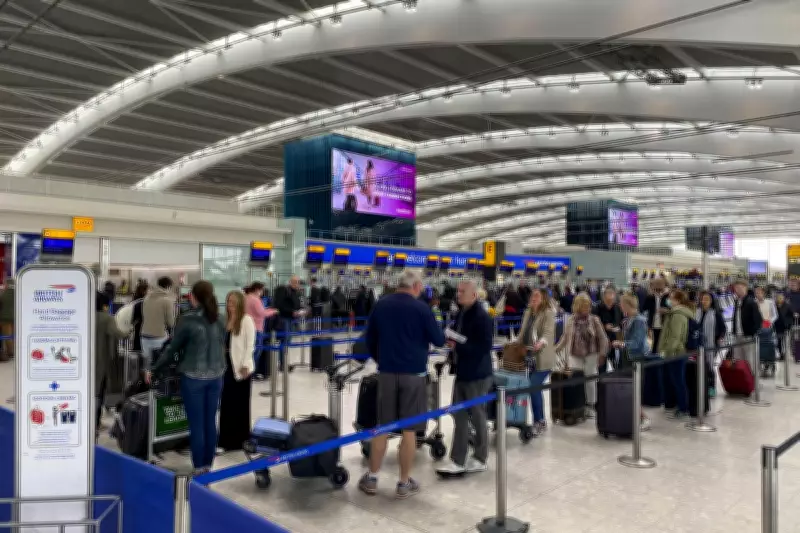
Air Passenger Duty (APD), a tax levied on passengers departing from most UK airports, is poised for substantial increases starting in April 2025, with additional hikes scheduled for 2026 and 2027. By the summer of 2027, a family of four traveling in premium economy to destinations like Orlando could incur over £1,000 in APD alone, driven by above-inflation adjustments implemented by Chancellor Rachel Reeves.
Origins and Purpose of Air Passenger Duty
Introduced in 1994 by then-Chancellor Kenneth Clarke, APD was established to tax the aviation sector, which historically avoided fuel taxes. It has since become a straightforward revenue stream for the Treasury, collected easily from airlines at the point of ticket sale.
How APD Rates Are Structured
The tax rate varies depending on two key factors: the destination category and the class of travel. Higher rates apply to premium classes such as business or first class, as well as private jets. However, exemptions exist for children under 16 flying in basic economy, providing some relief for families.

Strategies to Mitigate APD Costs
Travellers looking to reduce or avoid APD have several options. Flying from specific UK regions, including the Scottish Highlands and Islands, can lower the tax burden. Alternatively, using foreign airports accessed via terrestrial travel, such as trains or ferries, may bypass APD entirely. Another effective method involves planning stopovers exceeding 24 hours, which can reset the tax calculation for multi-leg journeys.
The Broader Impact on Aviation and Tourism
These impending increases are expected to significantly impact both leisure and business travel, potentially altering travel patterns and affecting the competitiveness of UK airports. As costs rise, passengers may seek more creative routing options to manage expenses, influencing demand across the aviation industry.
In summary, Air Passenger Duty is set to become a more substantial consideration for UK travellers in the coming years, with strategic planning offering pathways to mitigate its financial impact.