Major UK Airlines Implement Strict New Rules on Power Banks and Batteries
British holidaymakers have been issued a crucial warning ahead of the summer travel season as major airlines clarify stringent regulations concerning a popular travel essential. Power banks and lithium batteries are now banned from checked luggage on several carriers, including Ryanair, TUI, and easyJet, due to significant safety concerns. These compact chargers, which millions rely on to keep devices powered during long journeys, pose a deadly risk of explosion and fire mid-flight, prompting airlines to enforce new restrictions.
Understanding the Safety Risks
According to safety experts at the UK Civil Aviation Authority (CAA), lithium batteries are hazardous on aircraft primarily because they can enter "thermal runaway." This phenomenon involves a rapid, uncontrollable increase in temperature, leading to fires, explosions, and the release of toxic fumes. The risk is heightened in the cargo hold, where fires can spread undetected, making it imperative for airlines to restrict these items to cabin luggage where they can be monitored.
Airline-Specific Regulations
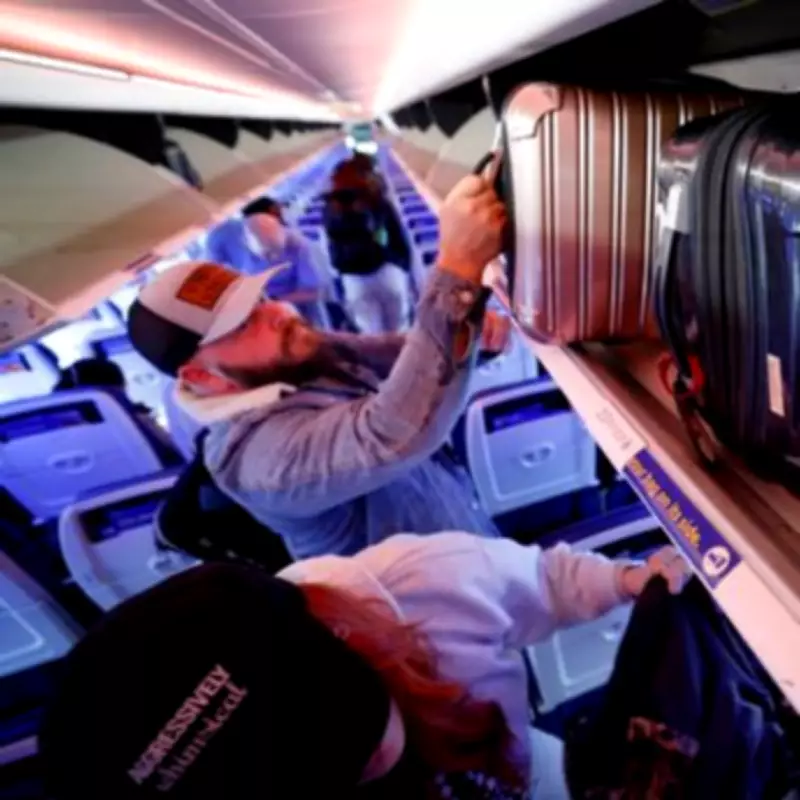
Ryanair permits passengers to carry up to 15 personal electronic devices, including power banks, in hand luggage only. Spare lithium batteries must be individually protected to prevent short circuits, using original packaging or insulating terminals with tape. A maximum of 20 spare batteries is allowed, each not exceeding 100Wh. During taxi, takeoff, and landing, these devices cannot be used for charging and must be stored under the seat, not in overhead lockers.

EasyJet strictly mandates that all lithium-ion batteries, spare batteries, and power banks be carried in cabin hand luggage, banning them from hold baggage. Power banks under 100Wh are permitted without approval, while those between 100-160Wh require airline authorization. The airline caps portable electronic devices at 15 per passenger and allows a maximum of two spare batteries. For smart luggage, batteries must be removable; if checked, they must be taken out and brought into the cabin.
TUI forbids loose lithium batteries, power banks, or spare batteries in checked-in luggage, requiring them to be in hand luggage only. Power banks should not exceed 100Wh, and terminals must be protected from short circuits. Devices in hold baggage must be fully switched off and secured to prevent accidental activation. Approval is necessary for medical devices, with details available on their website.
Global Airline Perspectives
Other international carriers, such as Vietnam Airlines, Vietjet Air, and Emirates, have also implemented similar prohibitions. Emirates, like many airlines, prohibits the use of power banks during flights and requires them to be switched off and stored under seats. This aligns with a broader industry trend to mitigate risks associated with lithium batteries, ensuring passenger safety across global air travel.
Practical Tips for Travellers
- Always pack power banks and spare batteries in your hand luggage, never in checked baggage.
- Protect battery terminals by using original packaging, taping them, or placing them in separate plastic bags.
- Check the watt-hour rating of your devices; most airlines restrict power banks to 100Wh without approval.
- Do not use power banks for charging during taxi, takeoff, or landing, and store them under your seat.
- For smart luggage, ensure batteries are easily removable; if not, they must be carried separately in the cabin.
As airlines tighten regulations, travellers are urged to review specific airline policies before flying to avoid disruptions and ensure compliance with these critical safety measures.